Body Explorer
Tap any part to hear its name, see how to say it and read what it does. When you're ready, name every part from memory.
Body basics
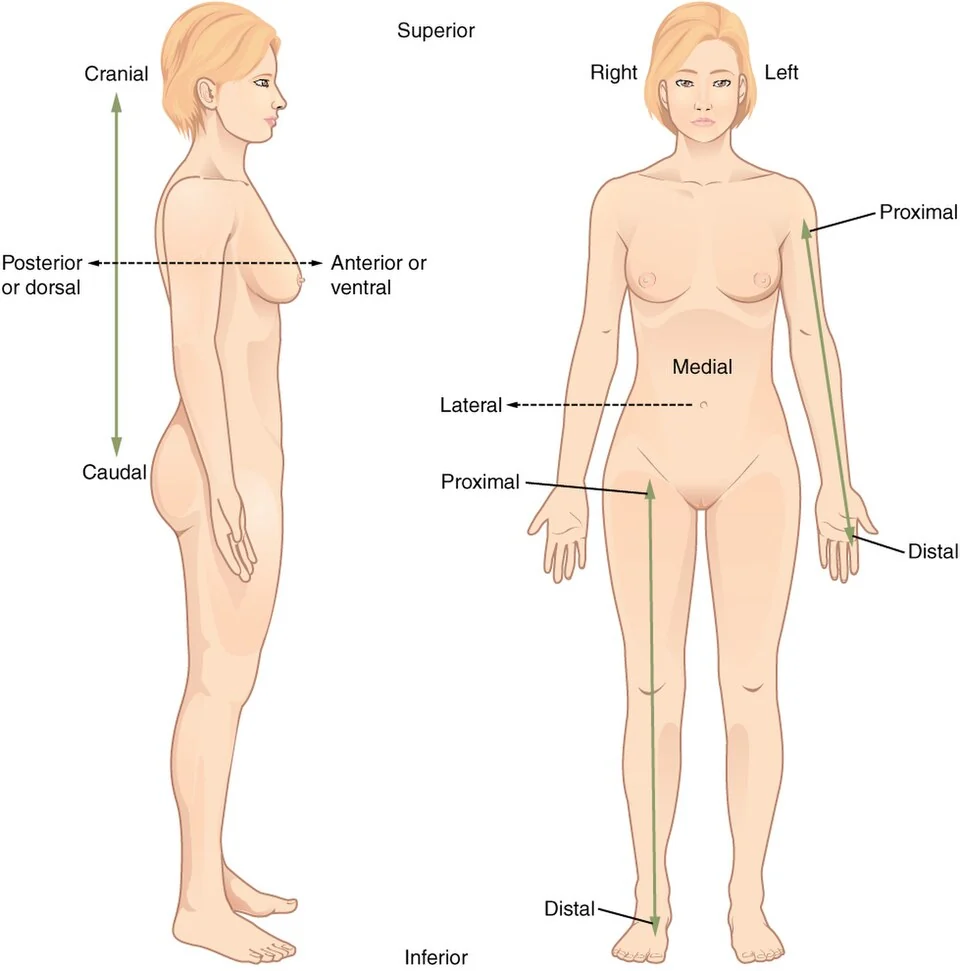
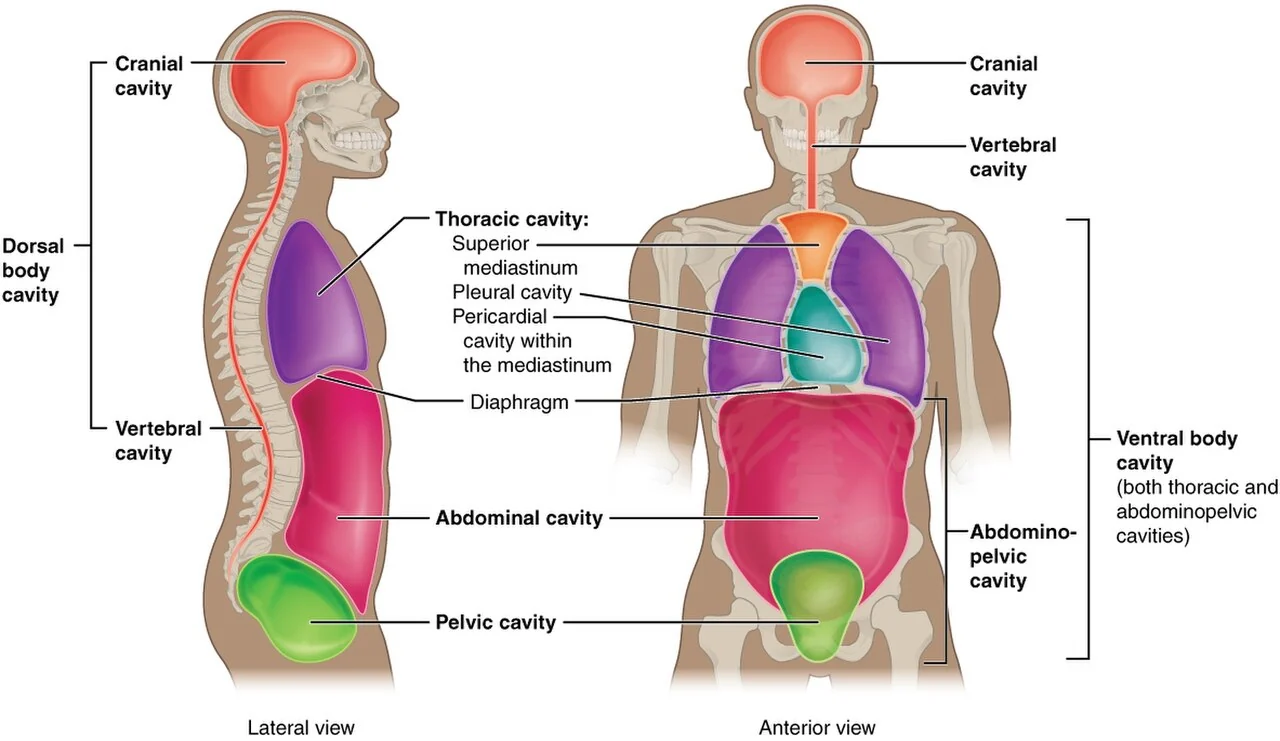
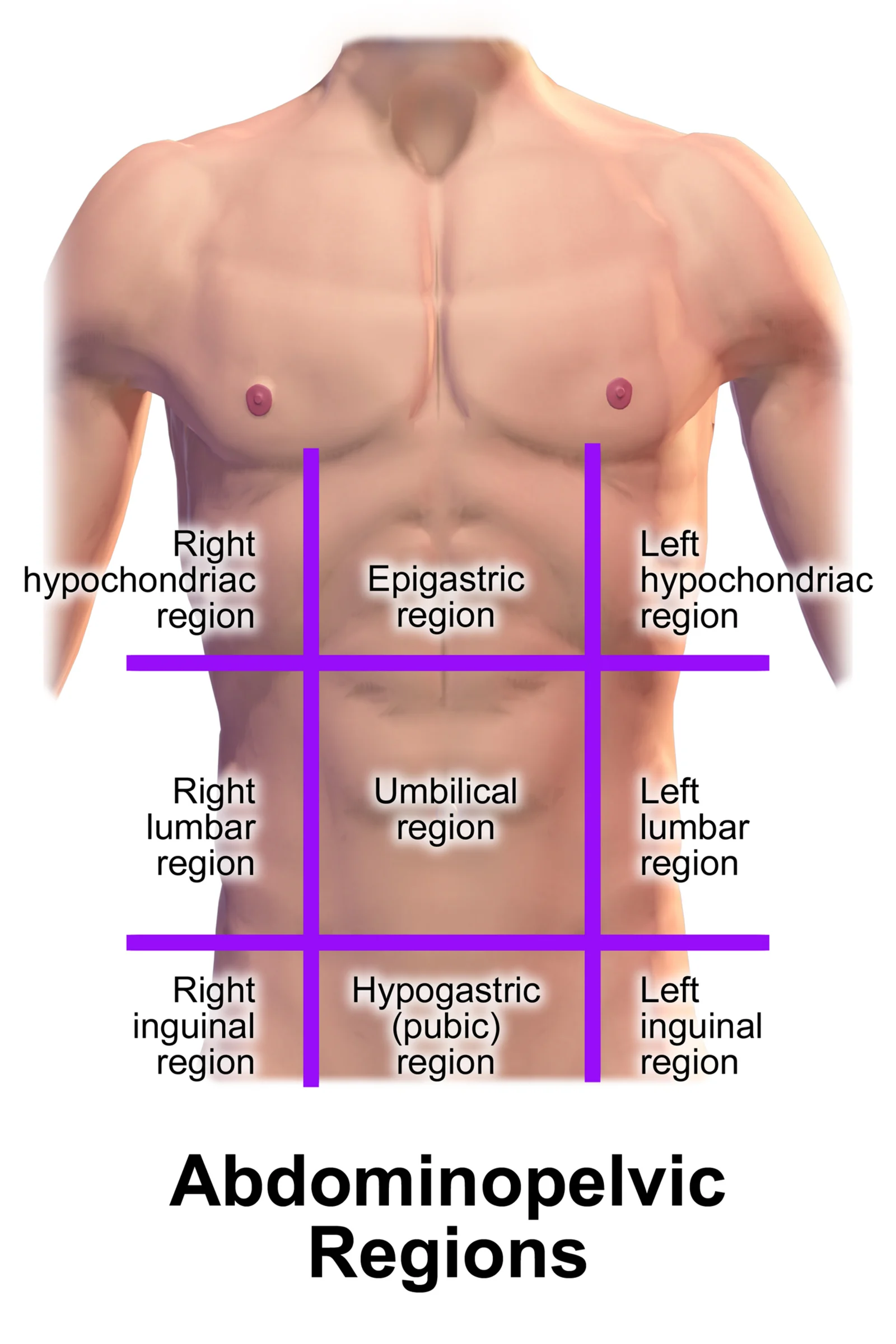
Week-one essentials: directional terms, body cavities and the nine abdominal regions. 33 parts.
Cells and molecules
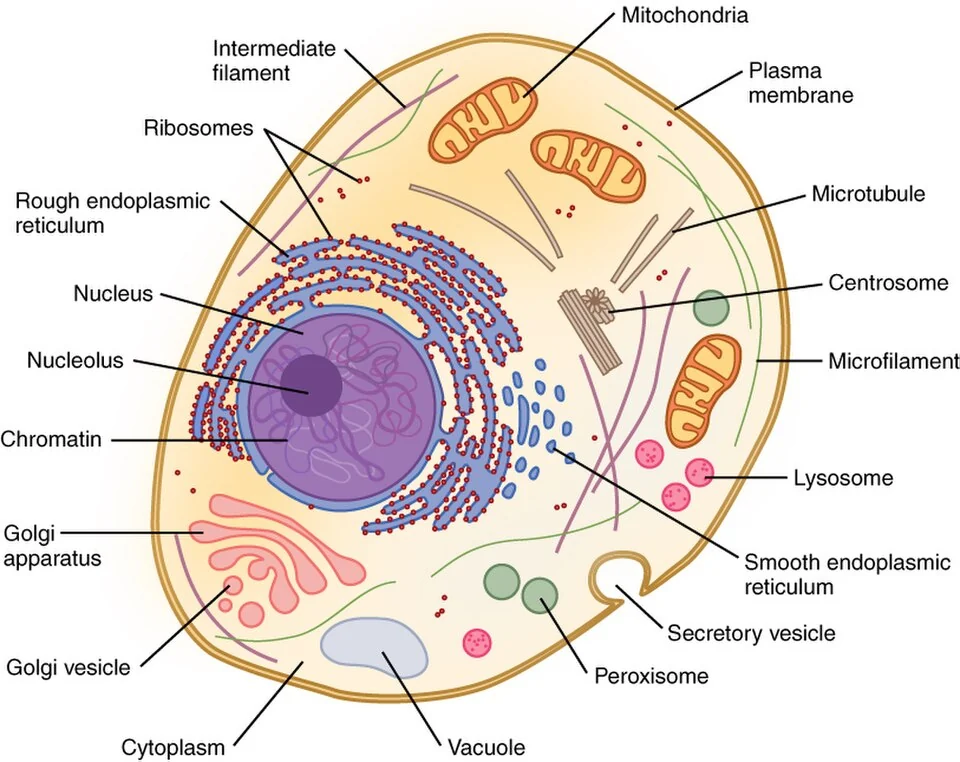
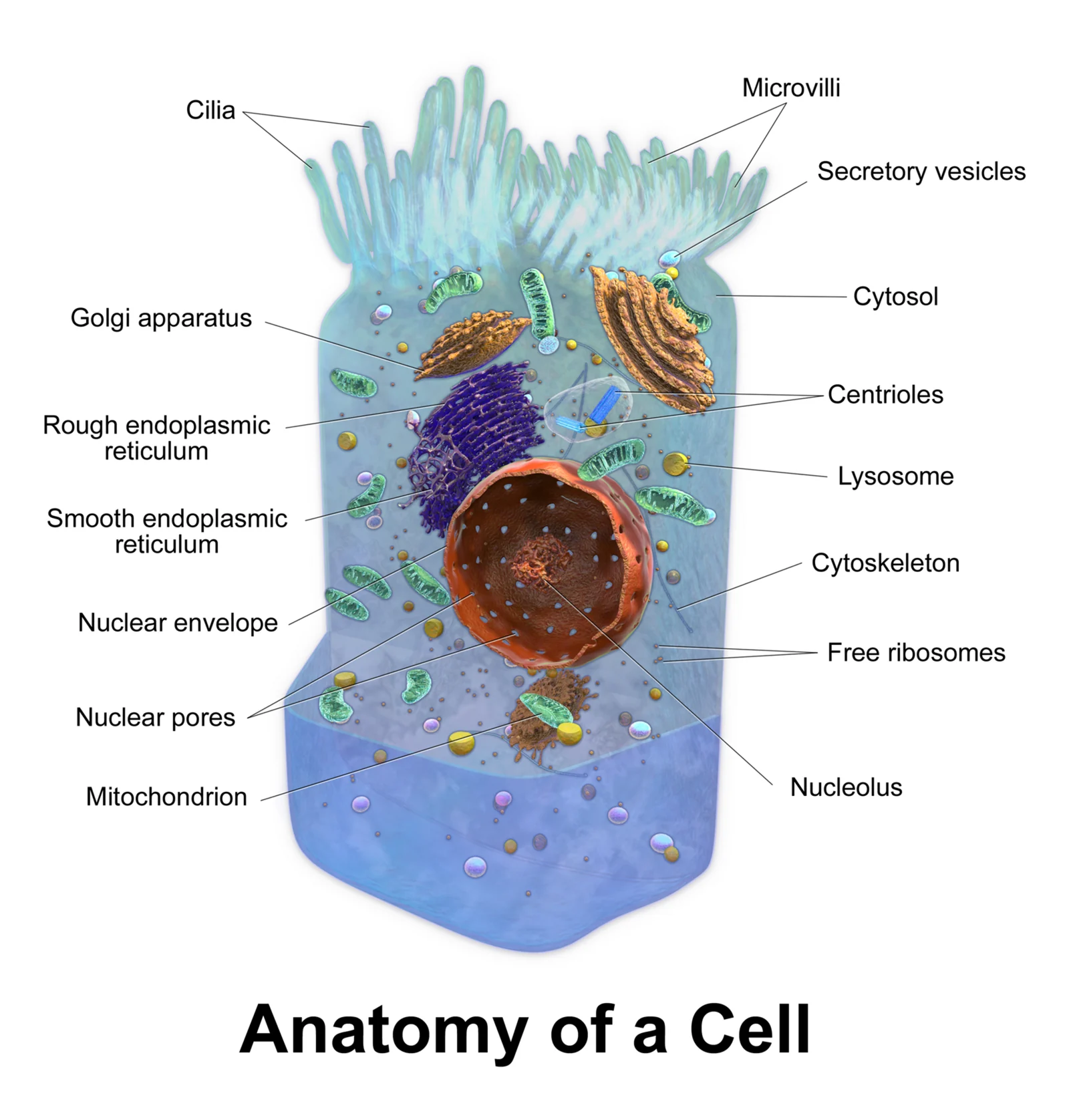
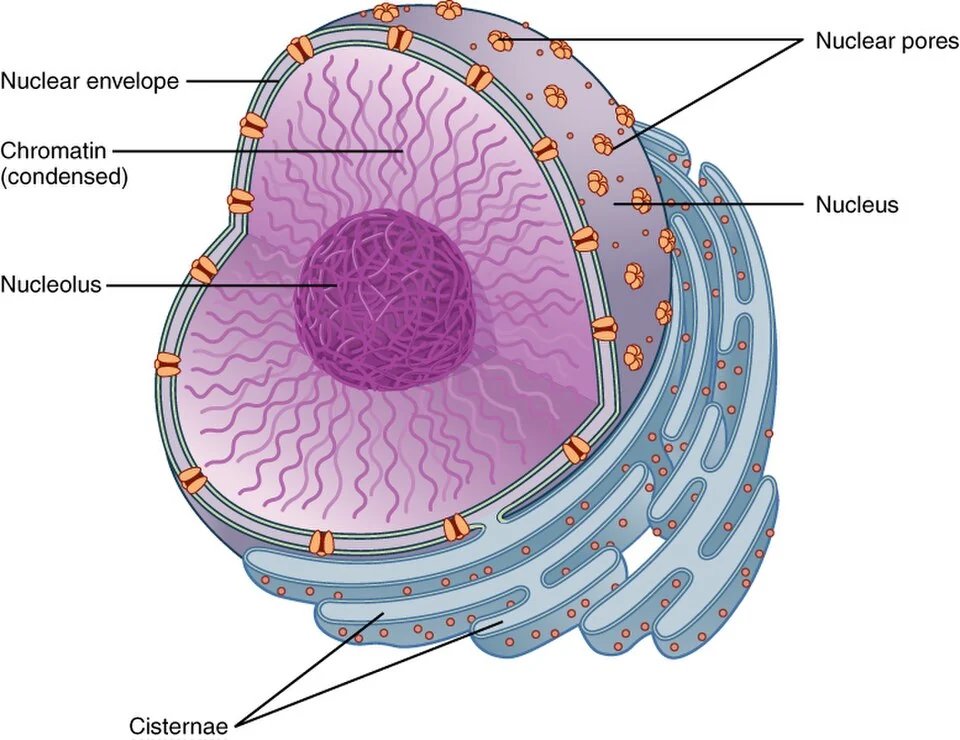
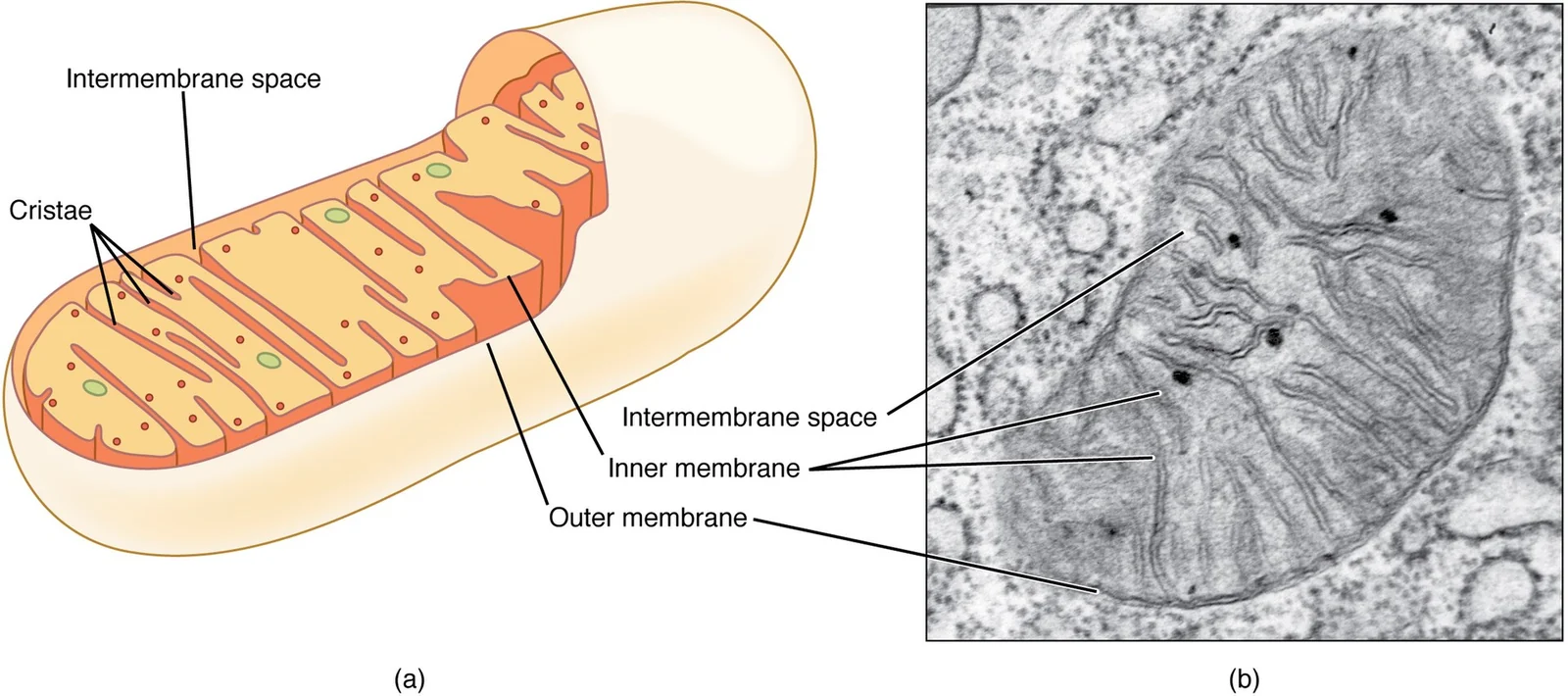
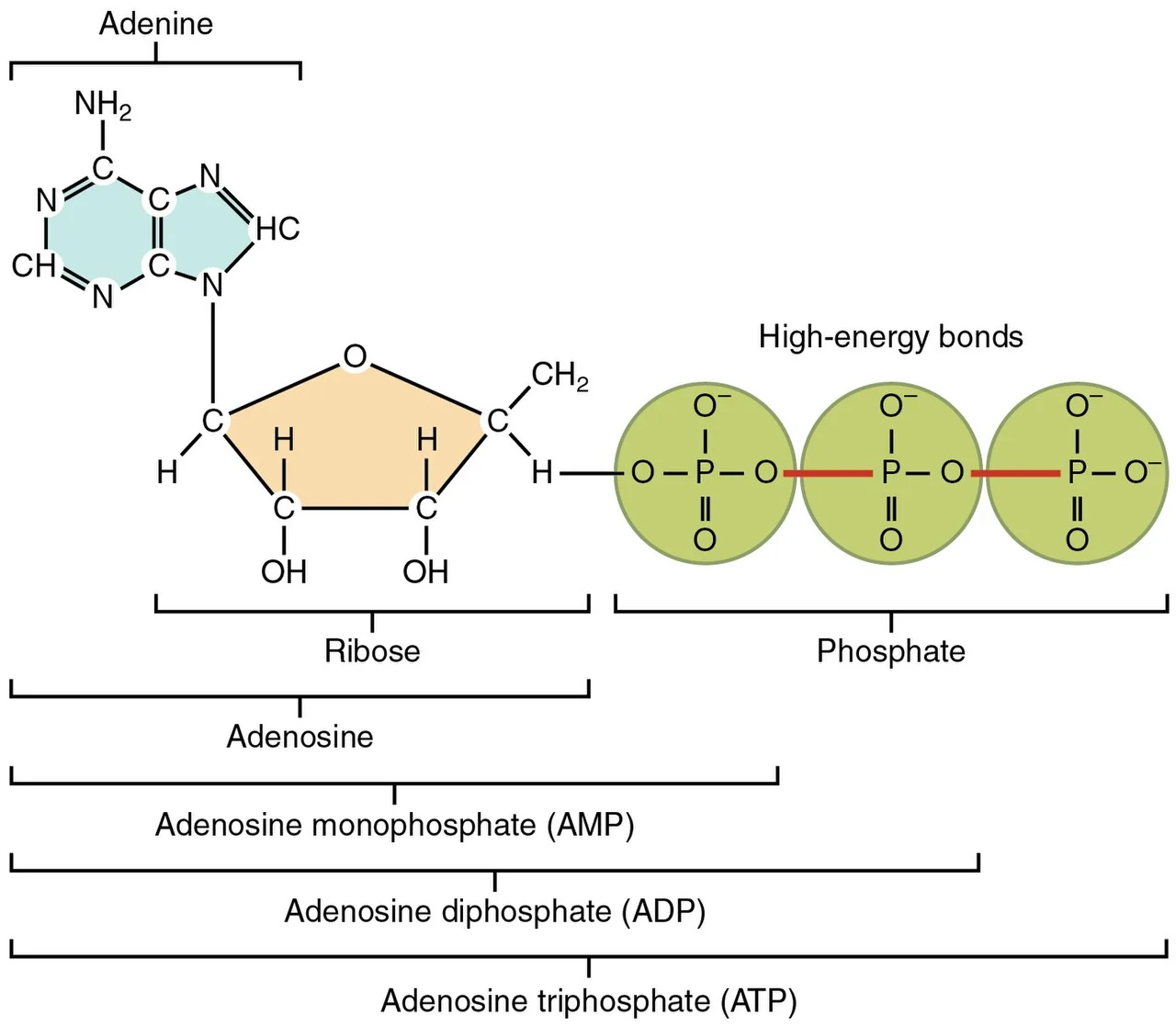
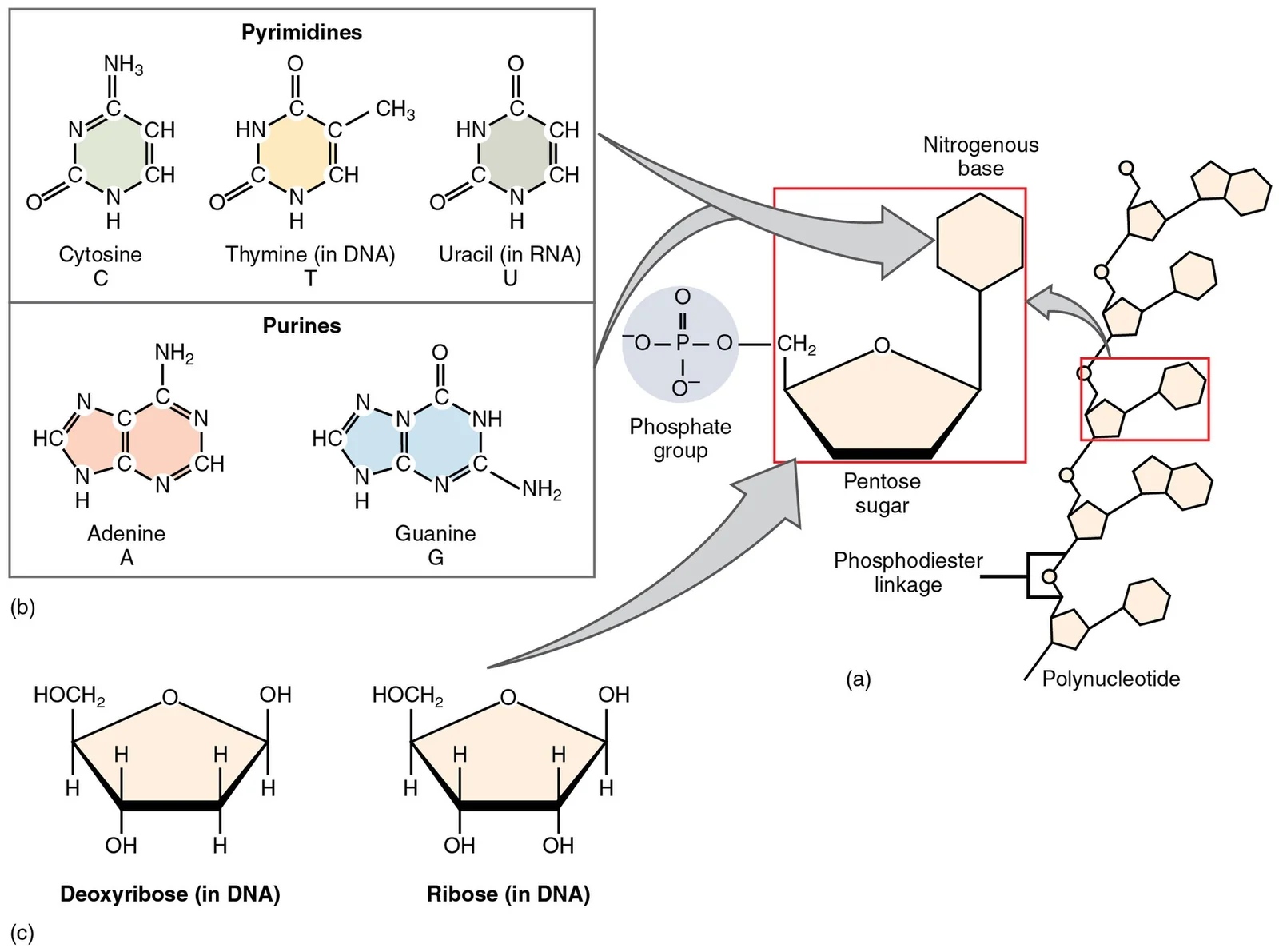
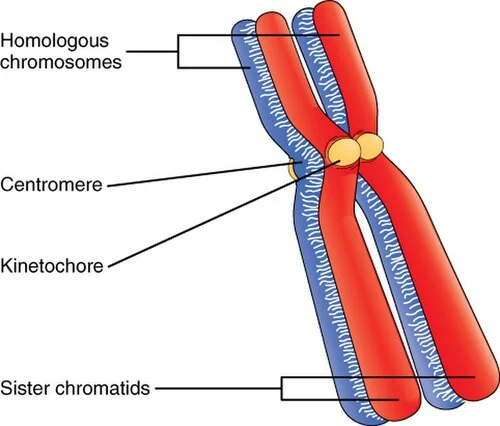
Organelles, the nucleus and mitochondrion, plus ATP, DNA and RNA building blocks and chromosomes. 66 parts.
Tissues
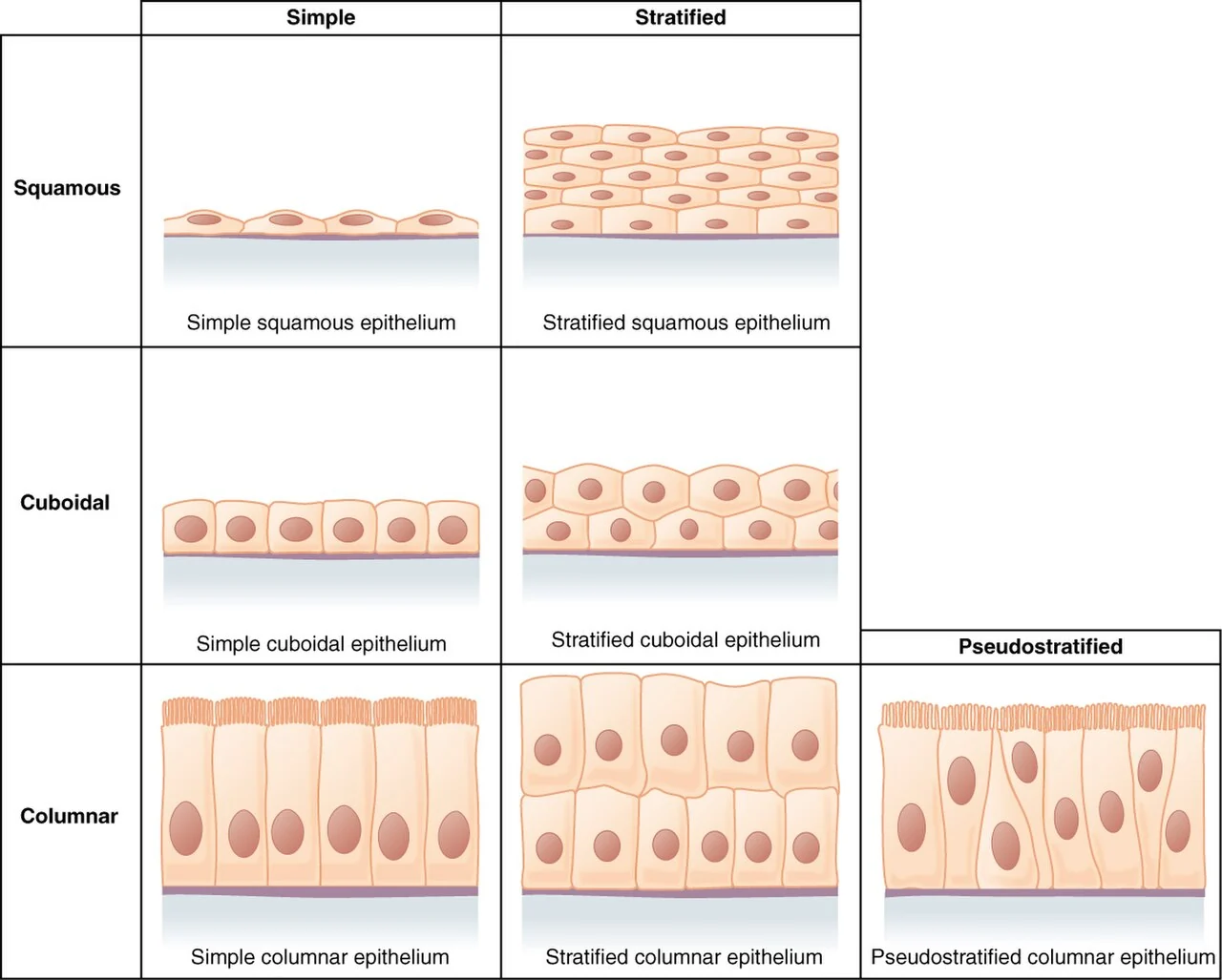
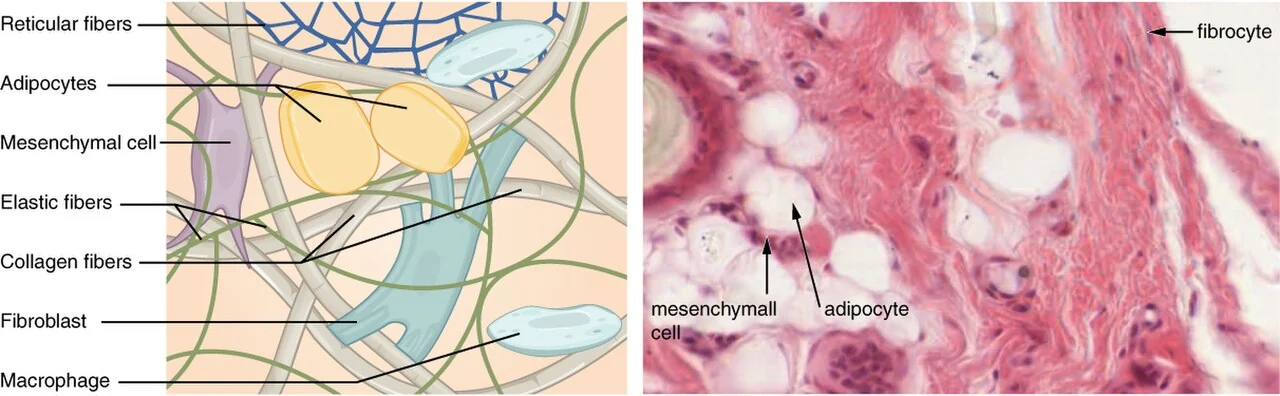
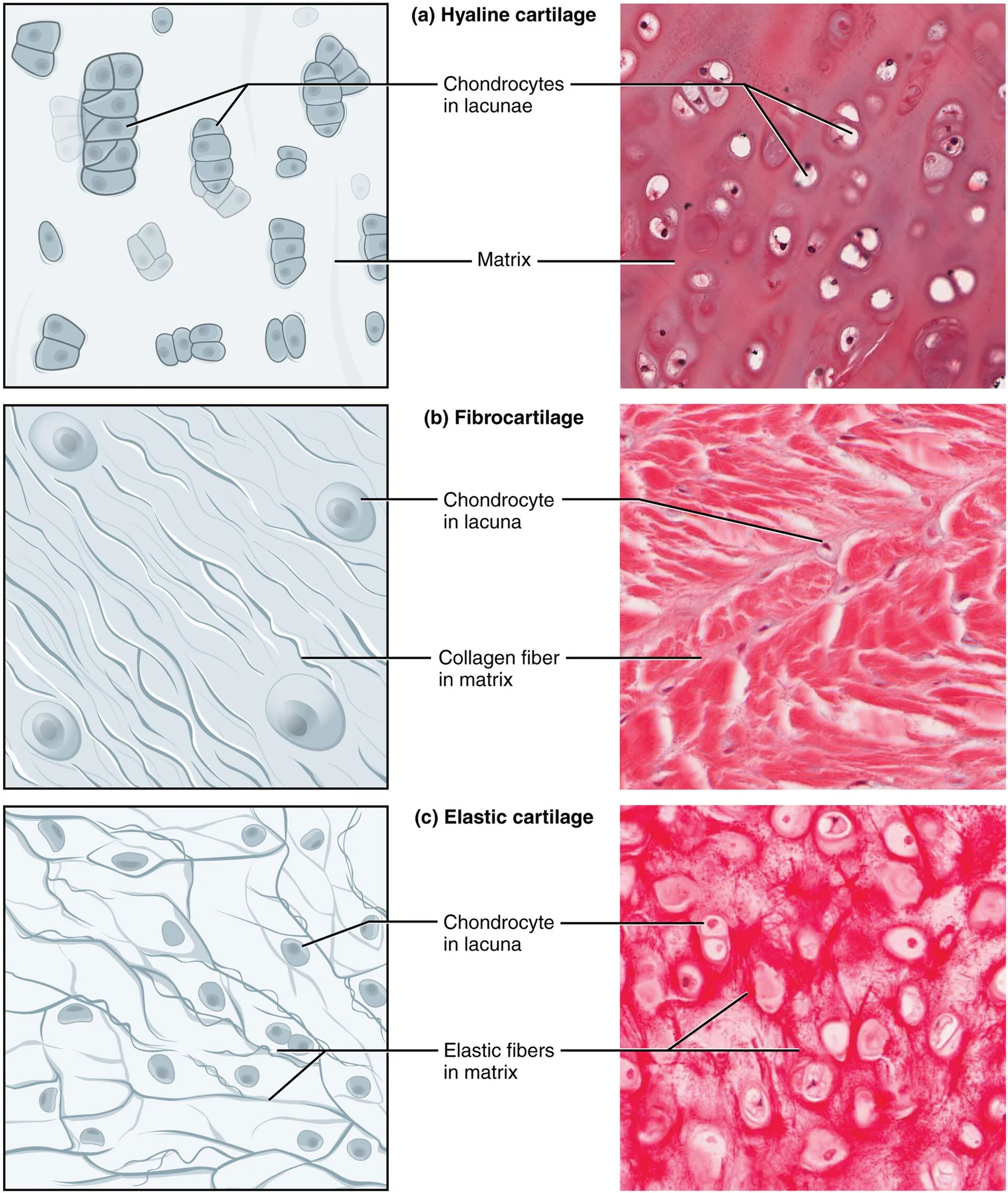
The seven kinds of epithelium, connective tissue cells and fibers, and the three cartilages. 22 parts.
Skin, hair and nails
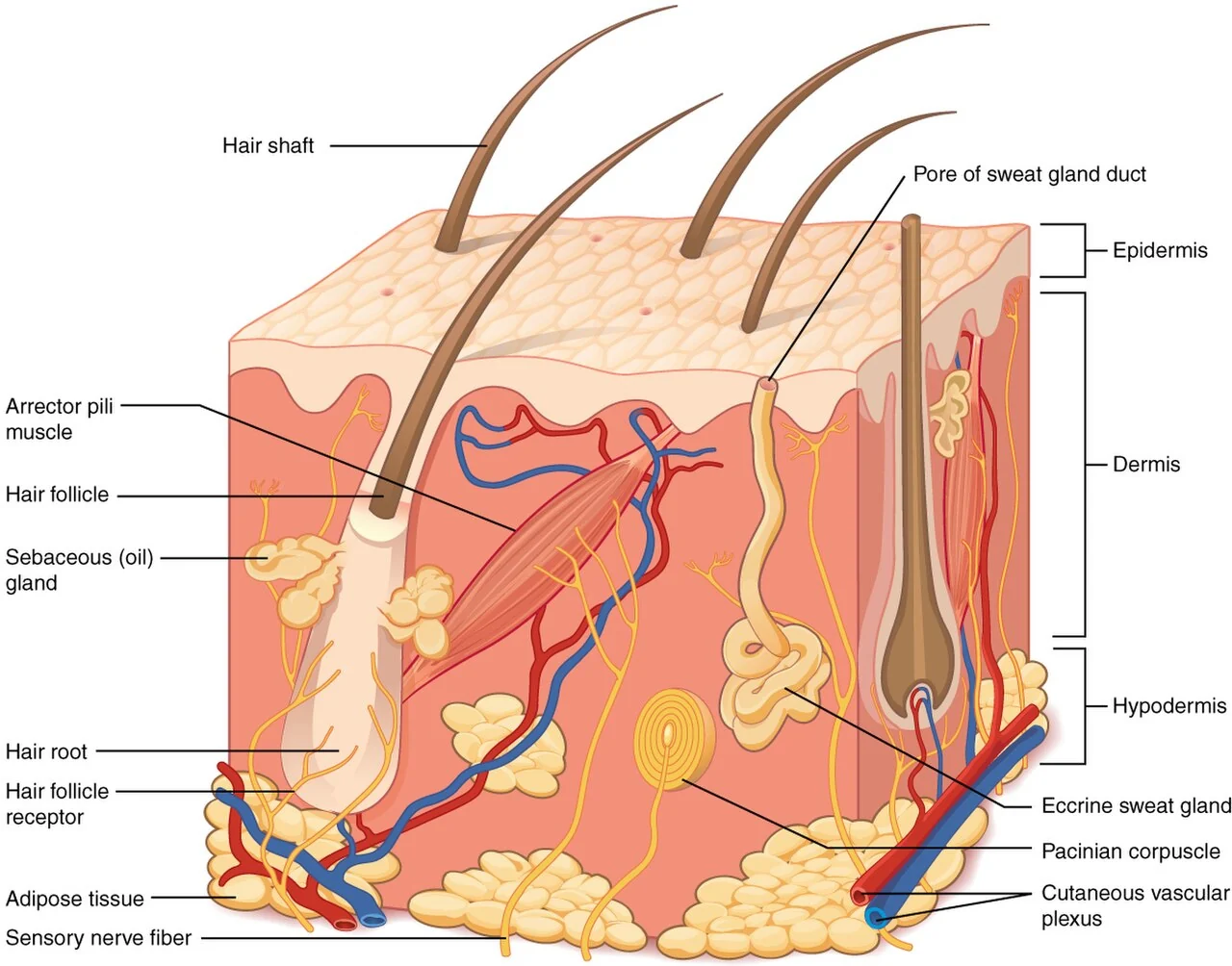
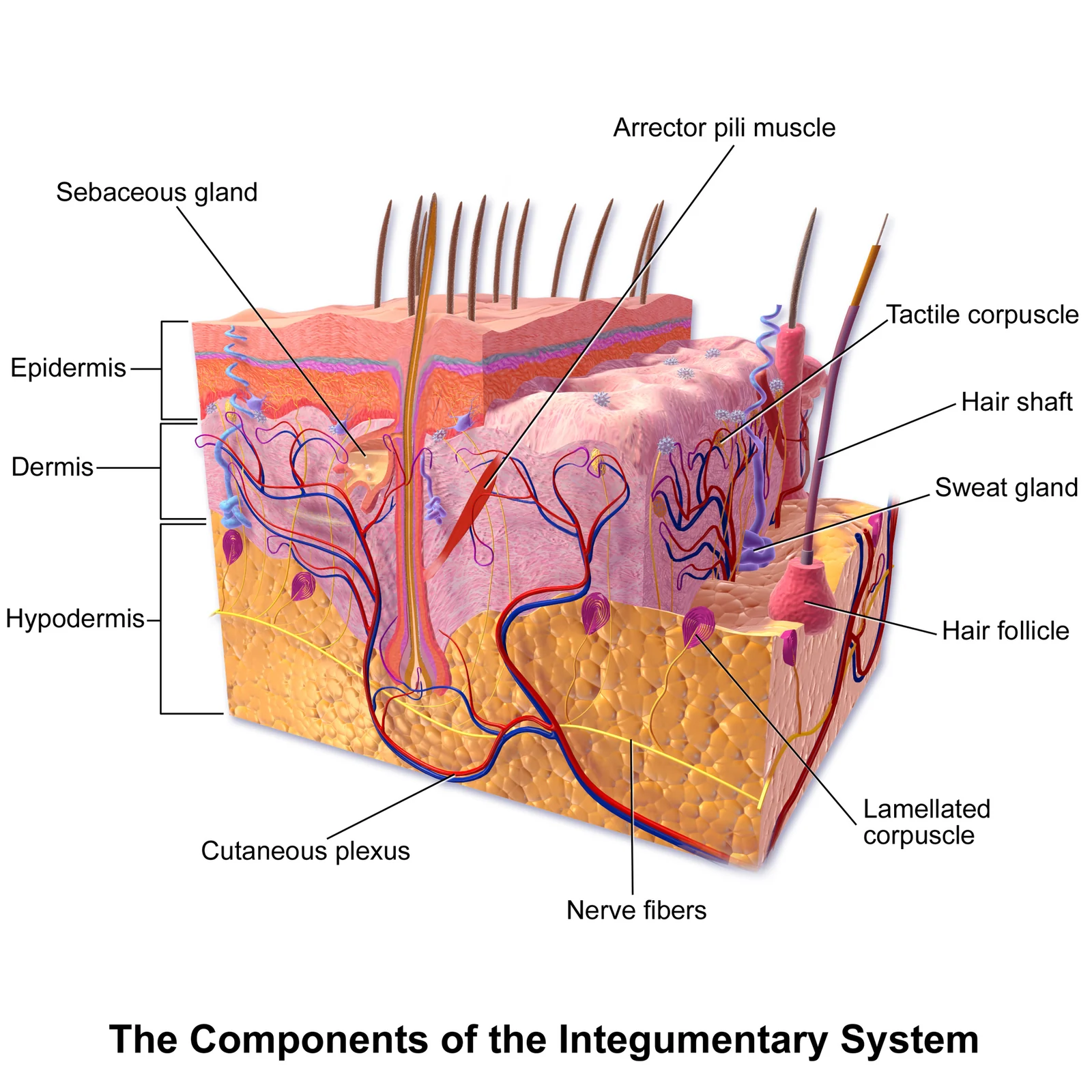
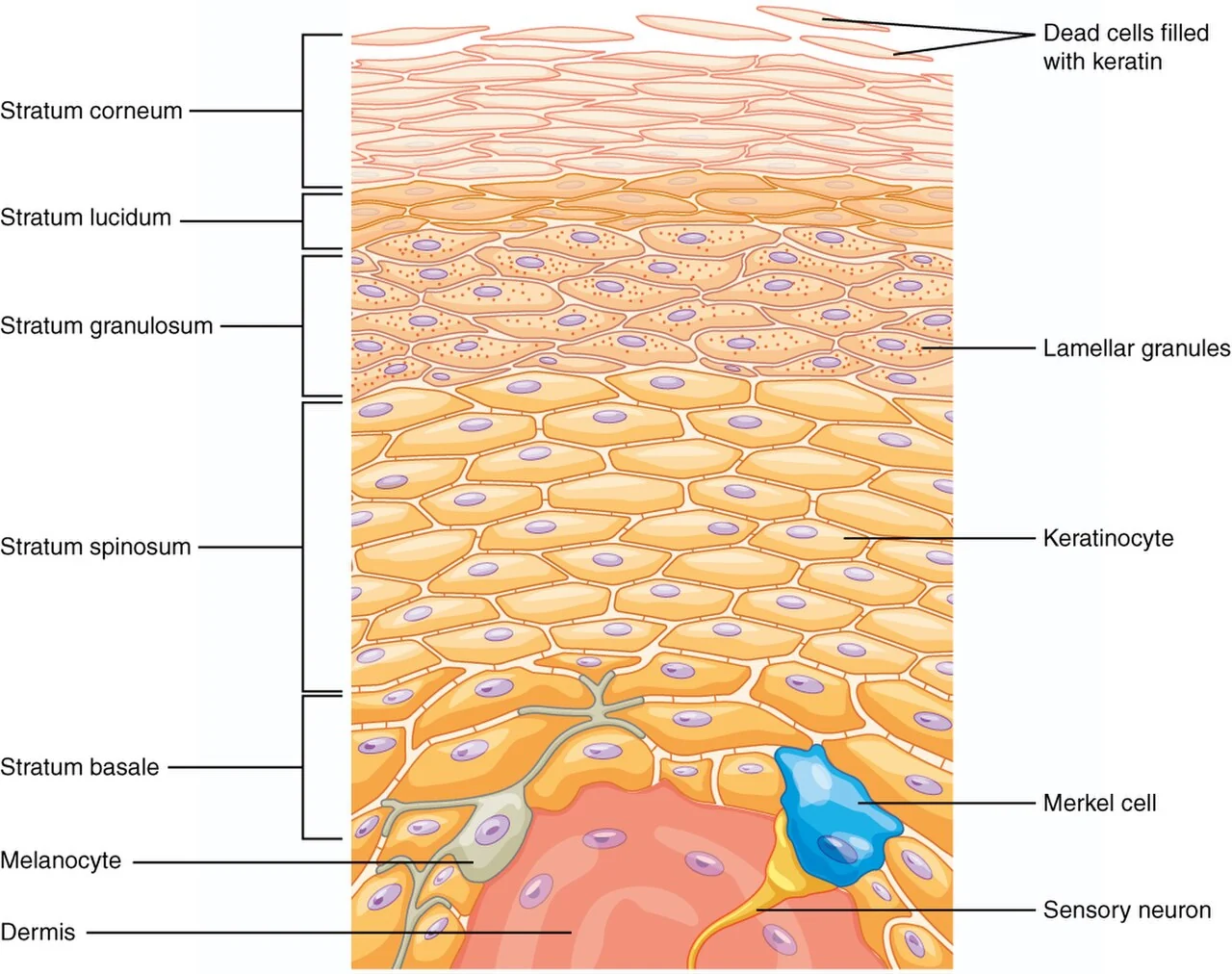
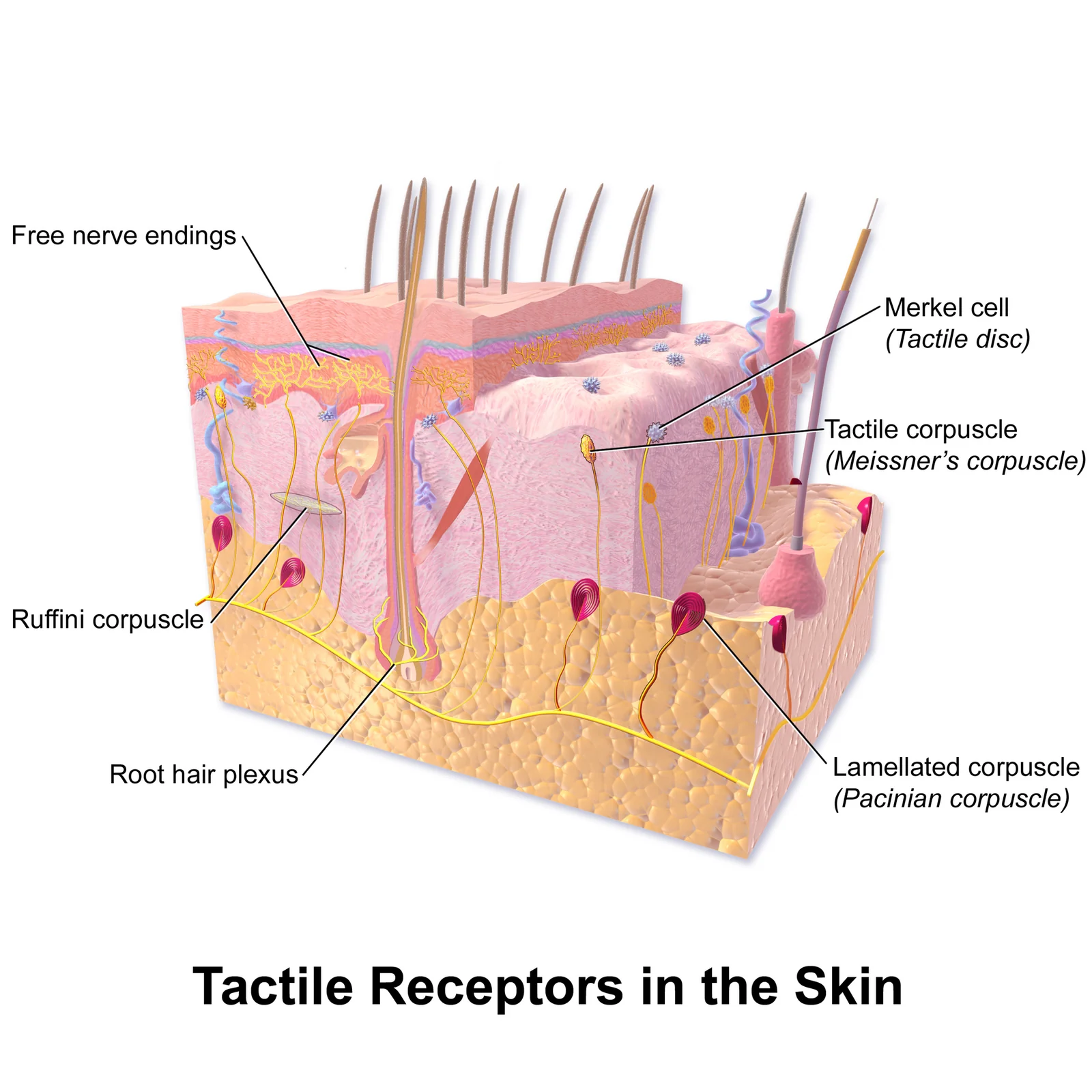
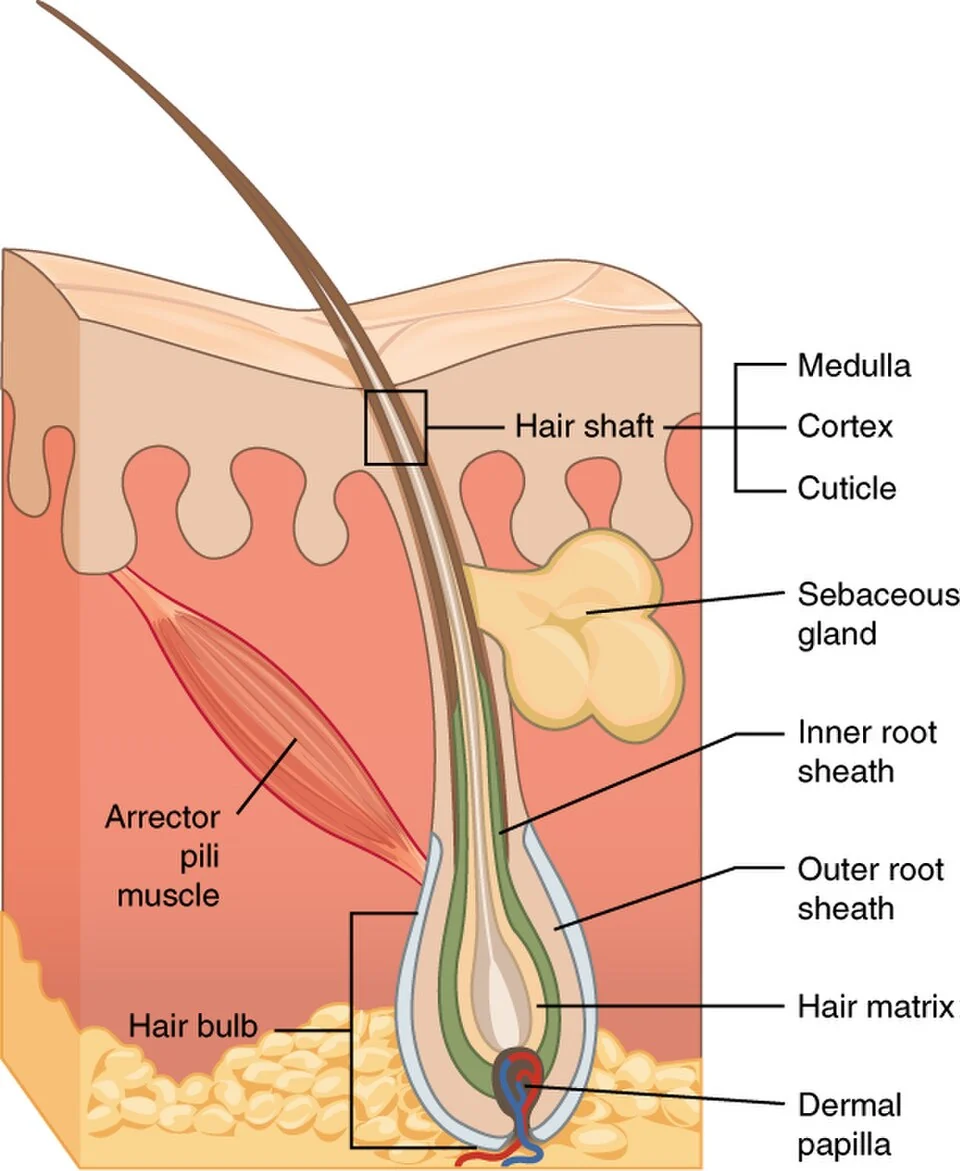
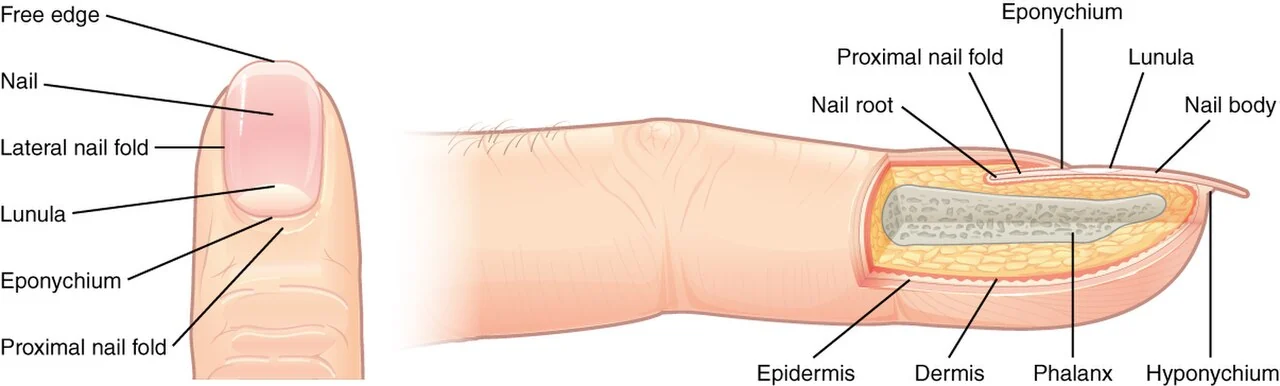
Layers of the skin and epidermis, touch receptors, a hair follicle and the nail. 64 parts.
Bone tissue and joints
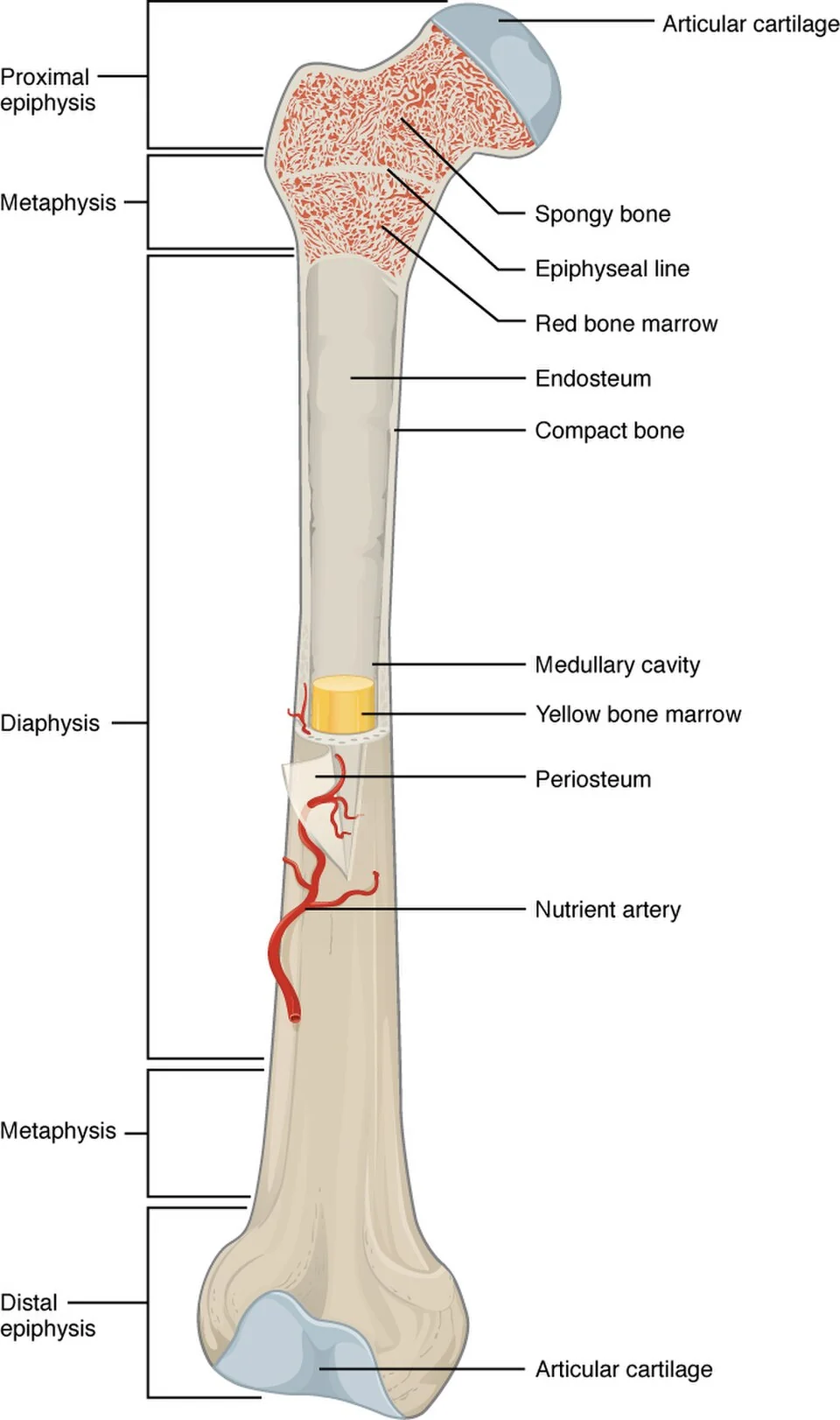
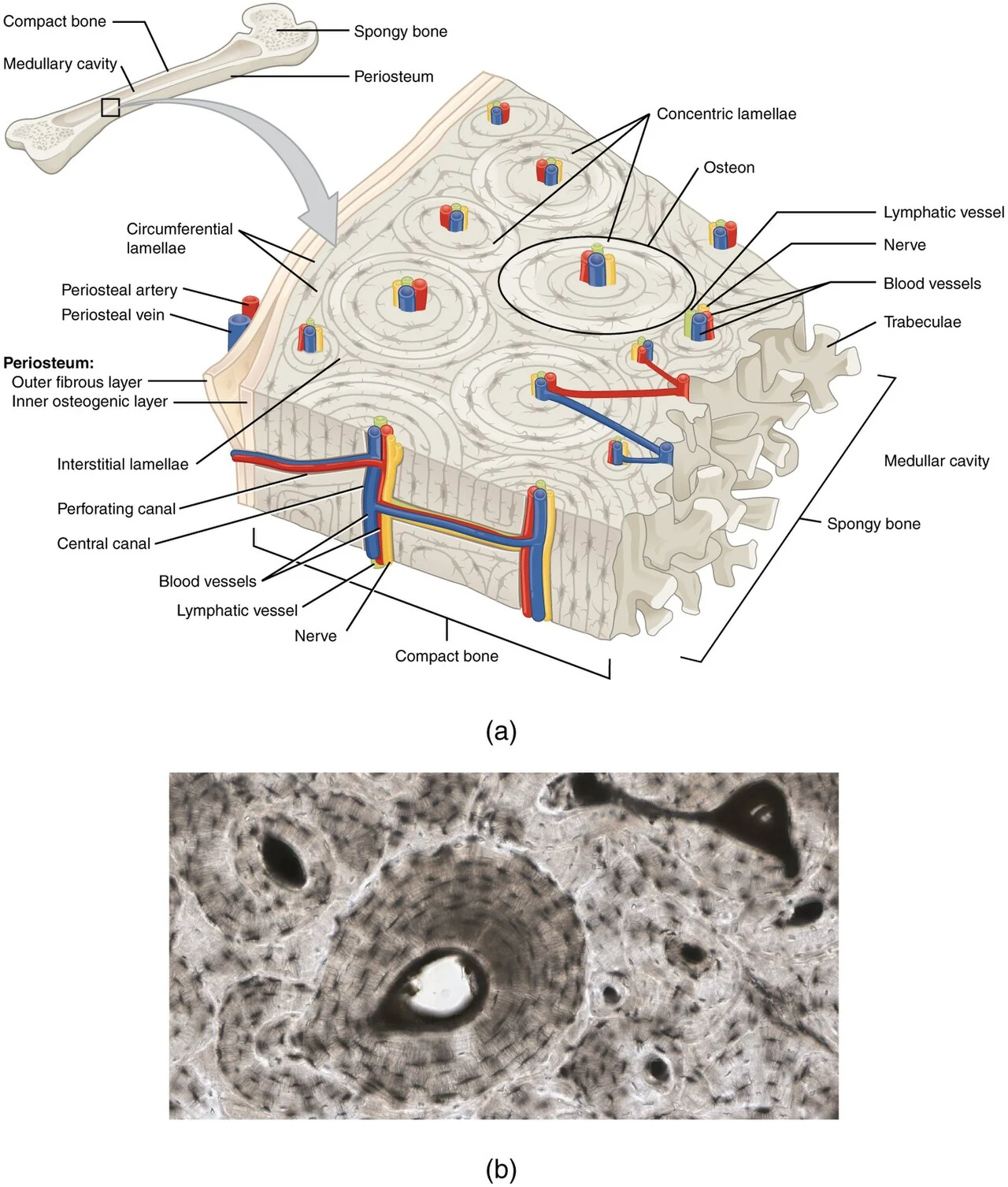
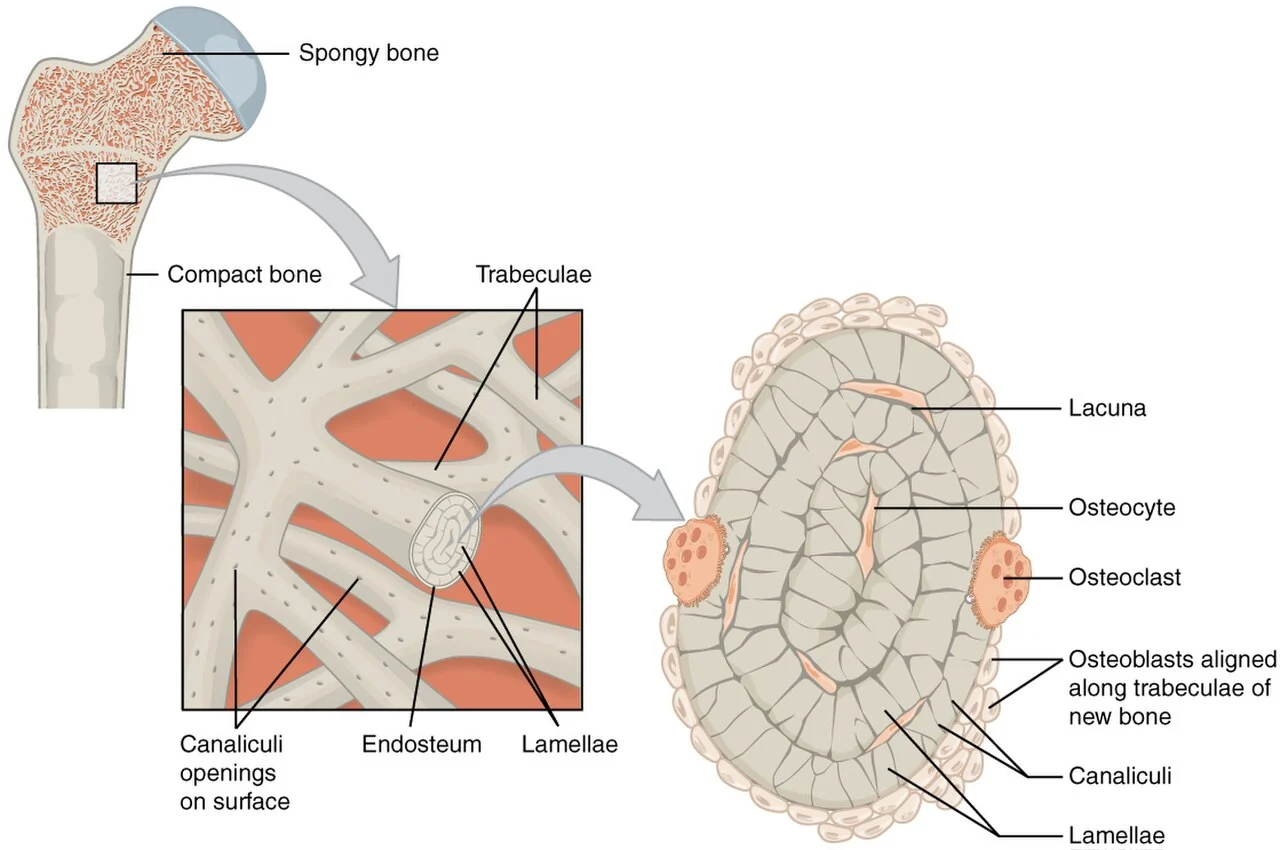
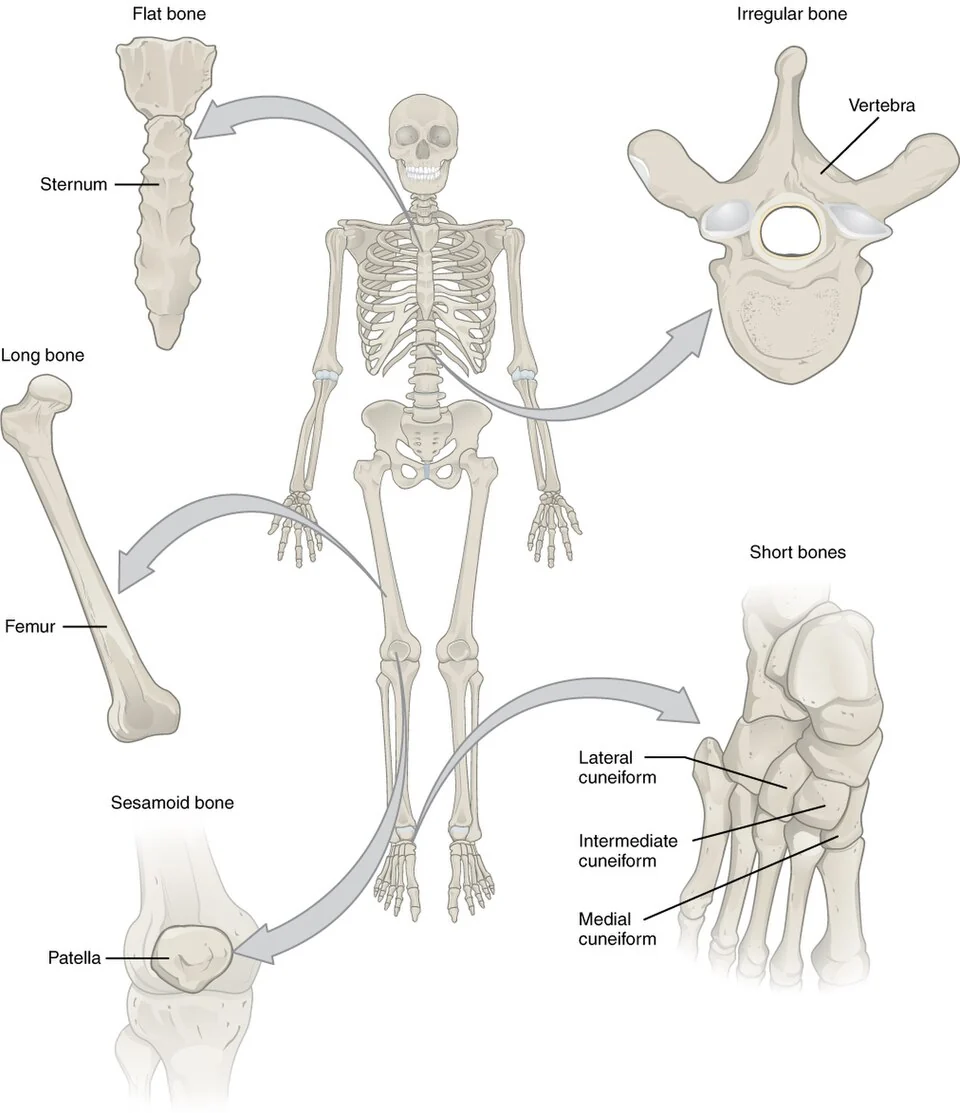
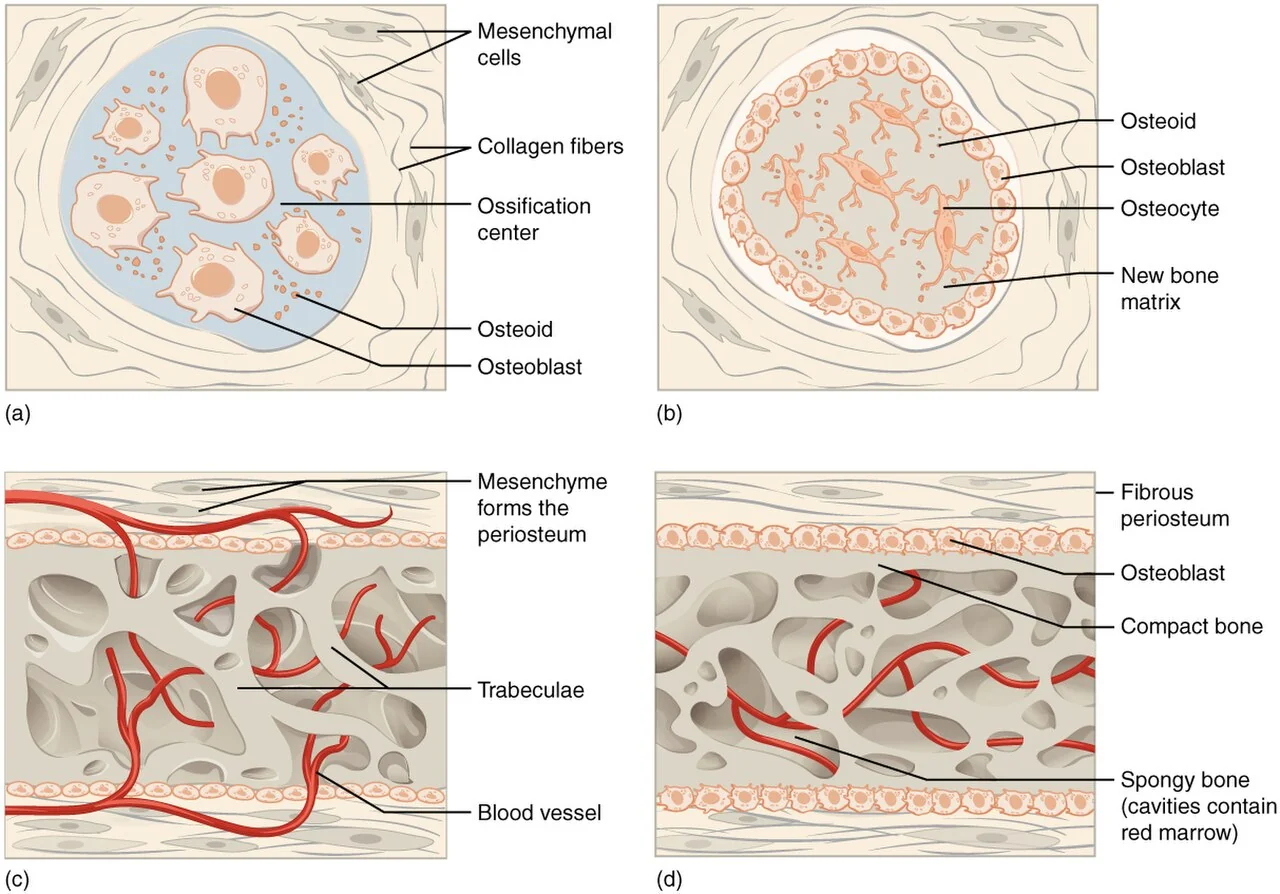
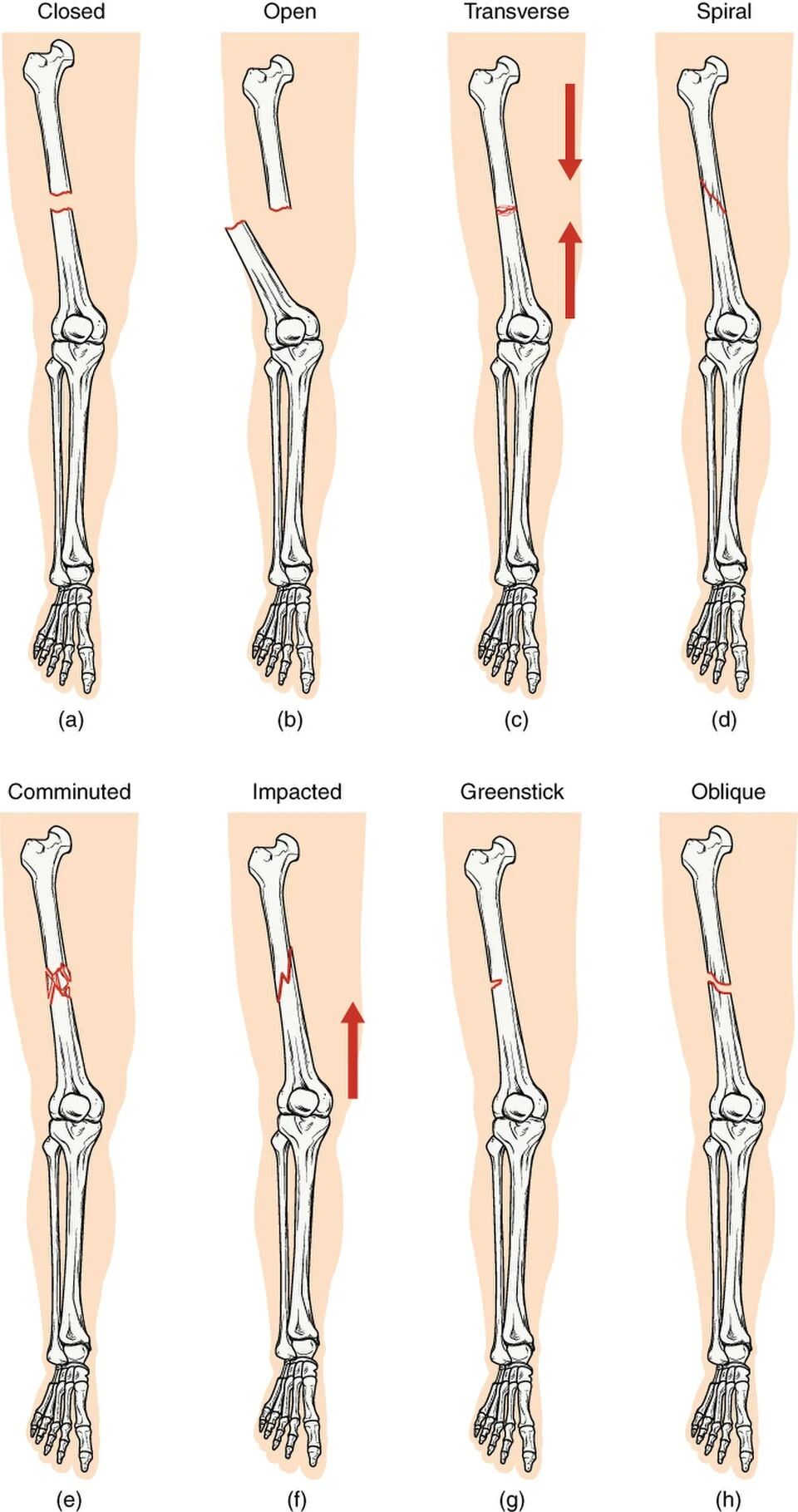
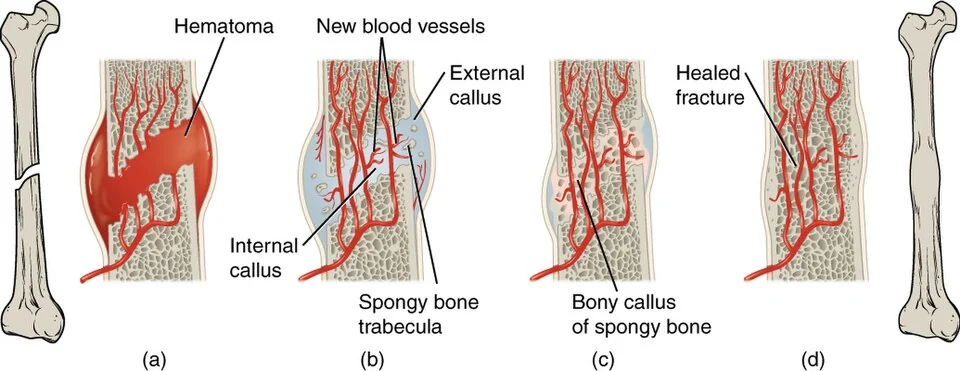
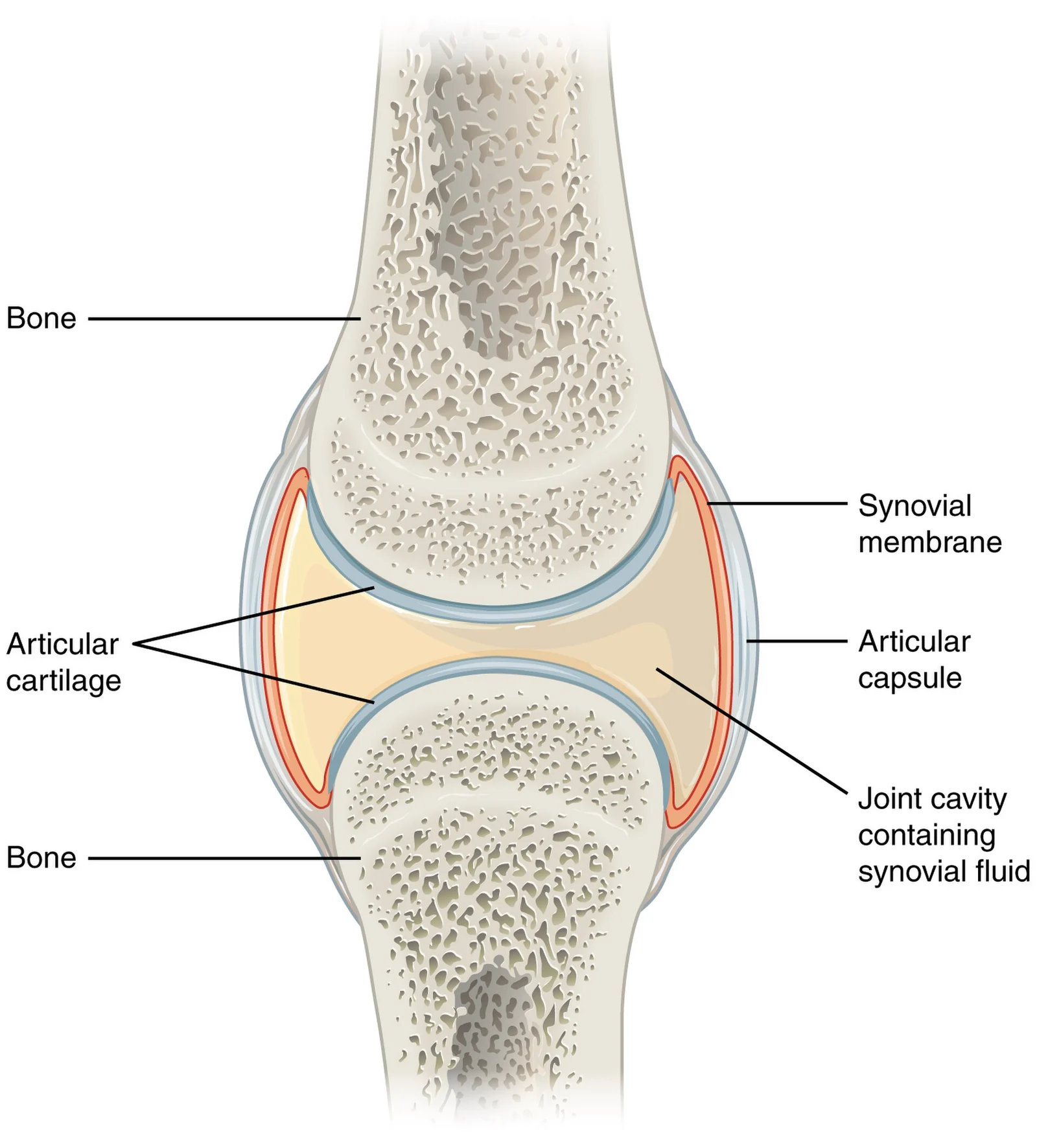
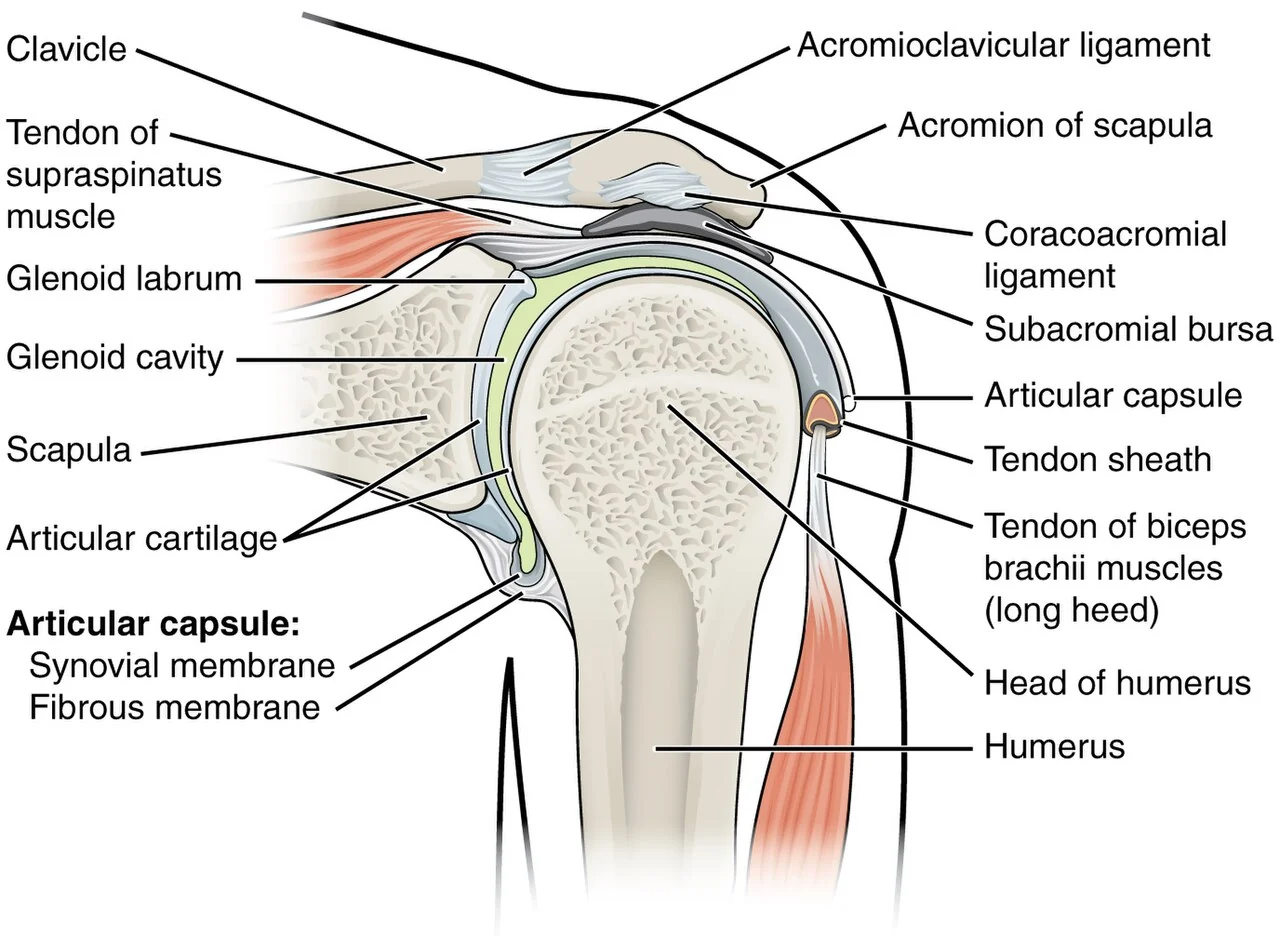
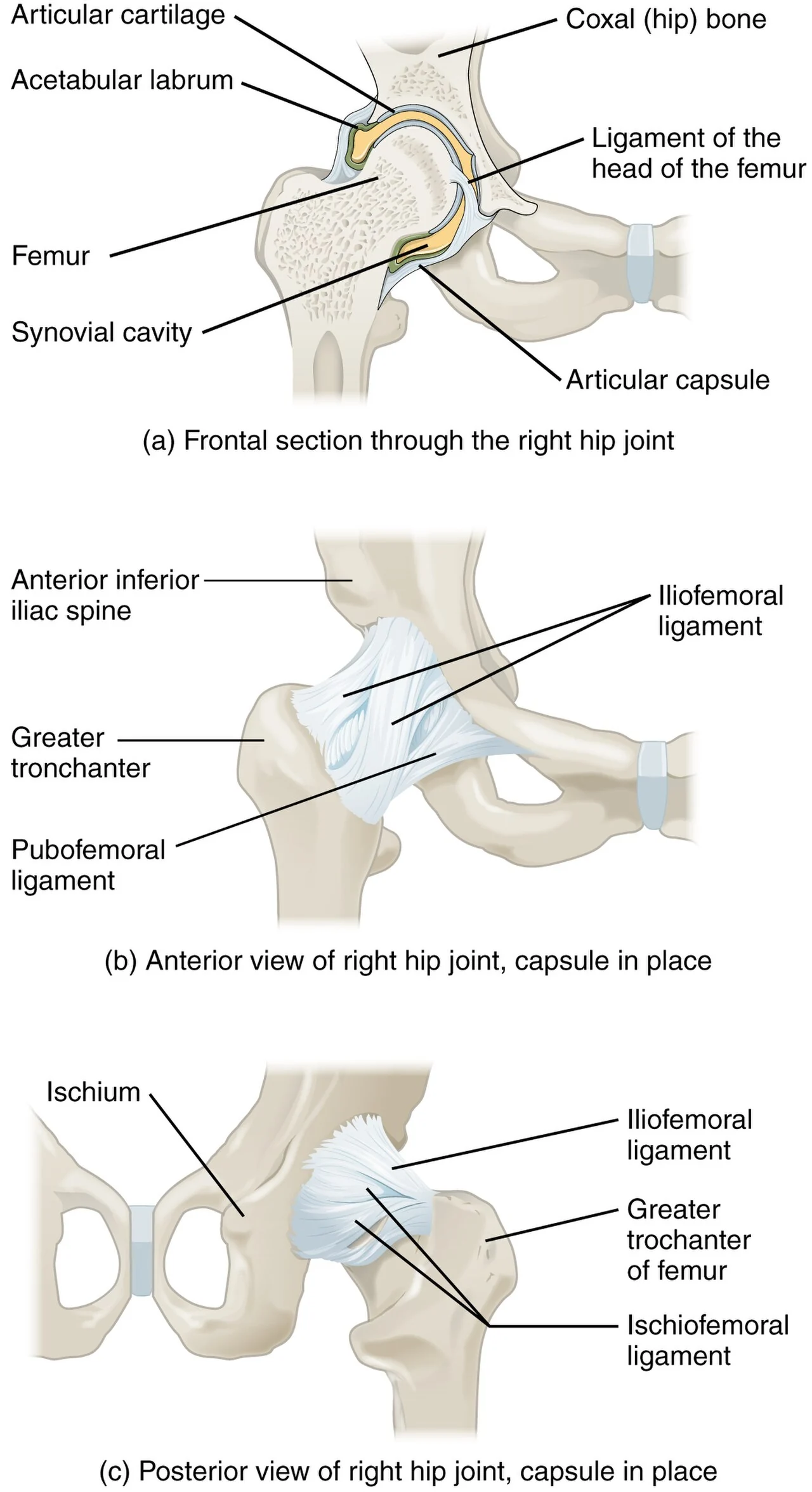
Parts of a long bone, compact and spongy bone, bone shapes, how bone forms and heals, and the joints. 113 parts.
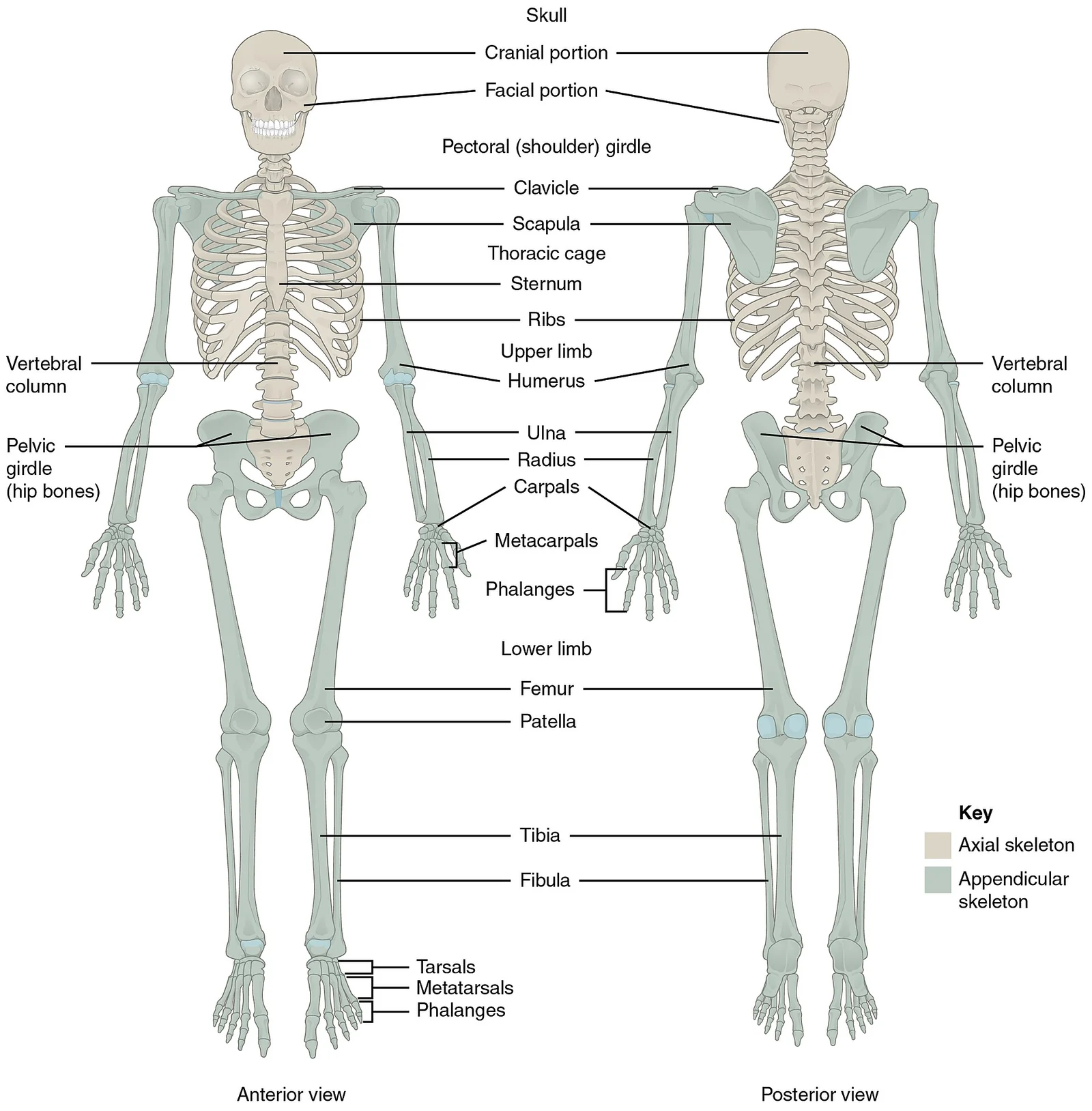
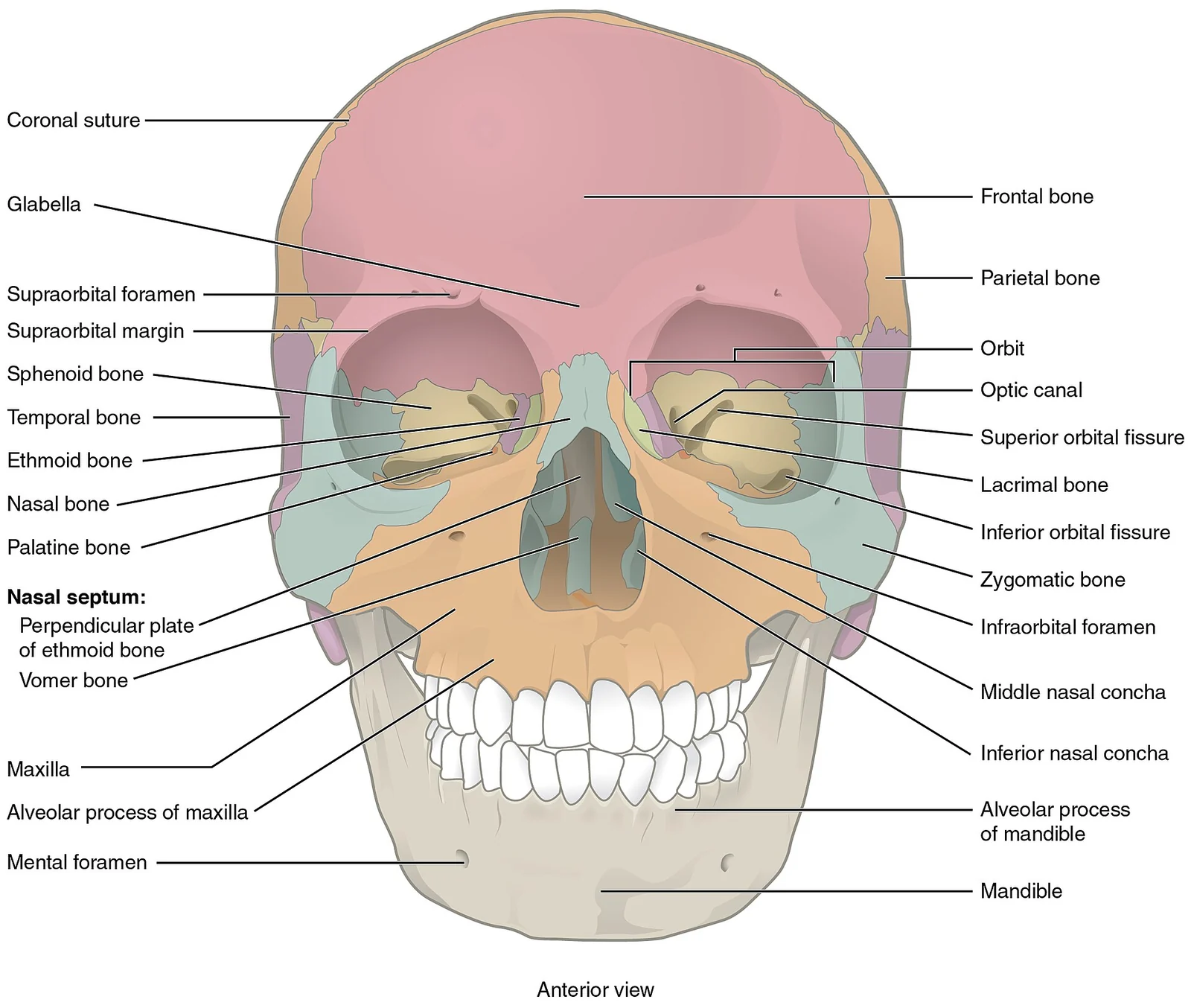
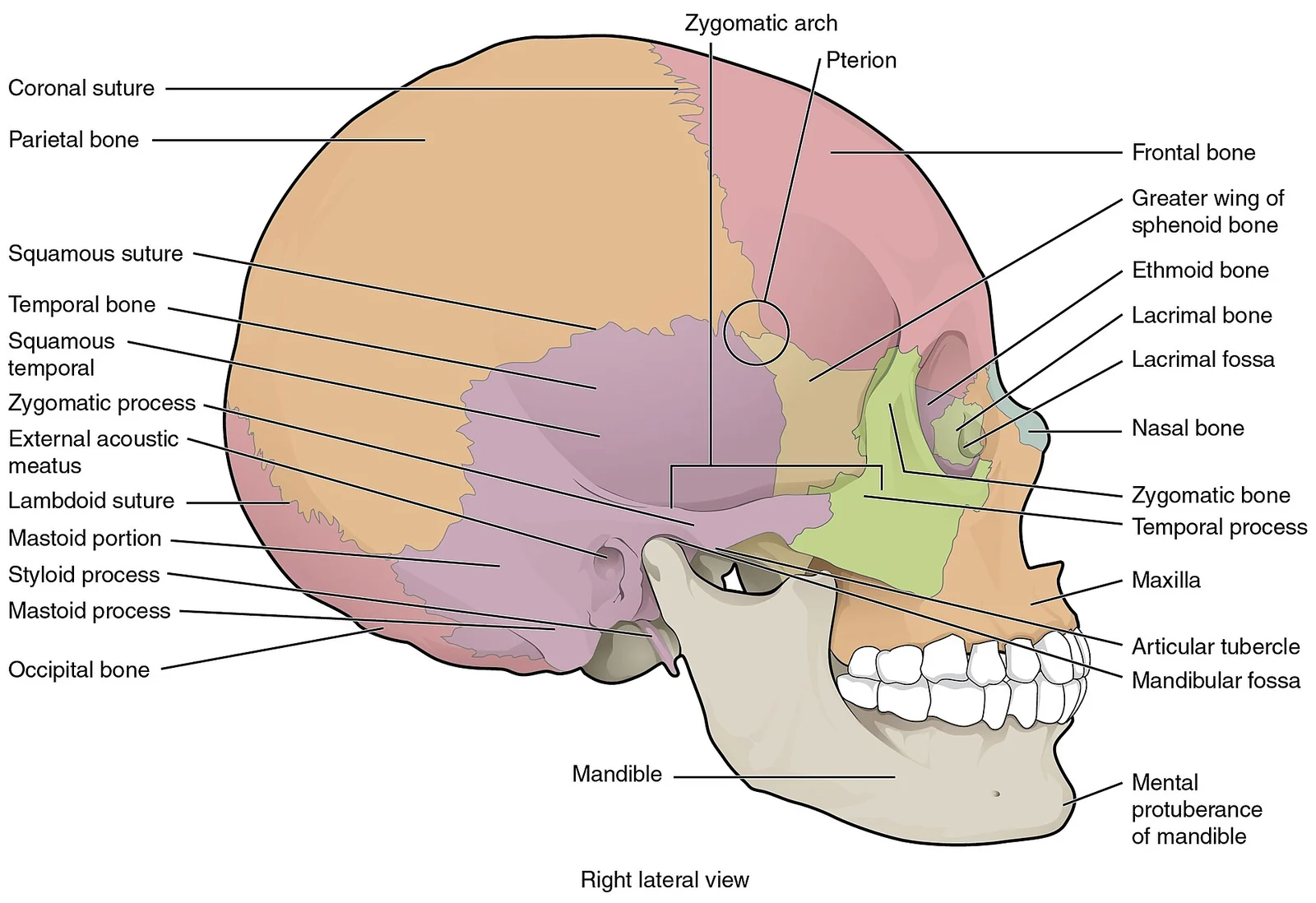
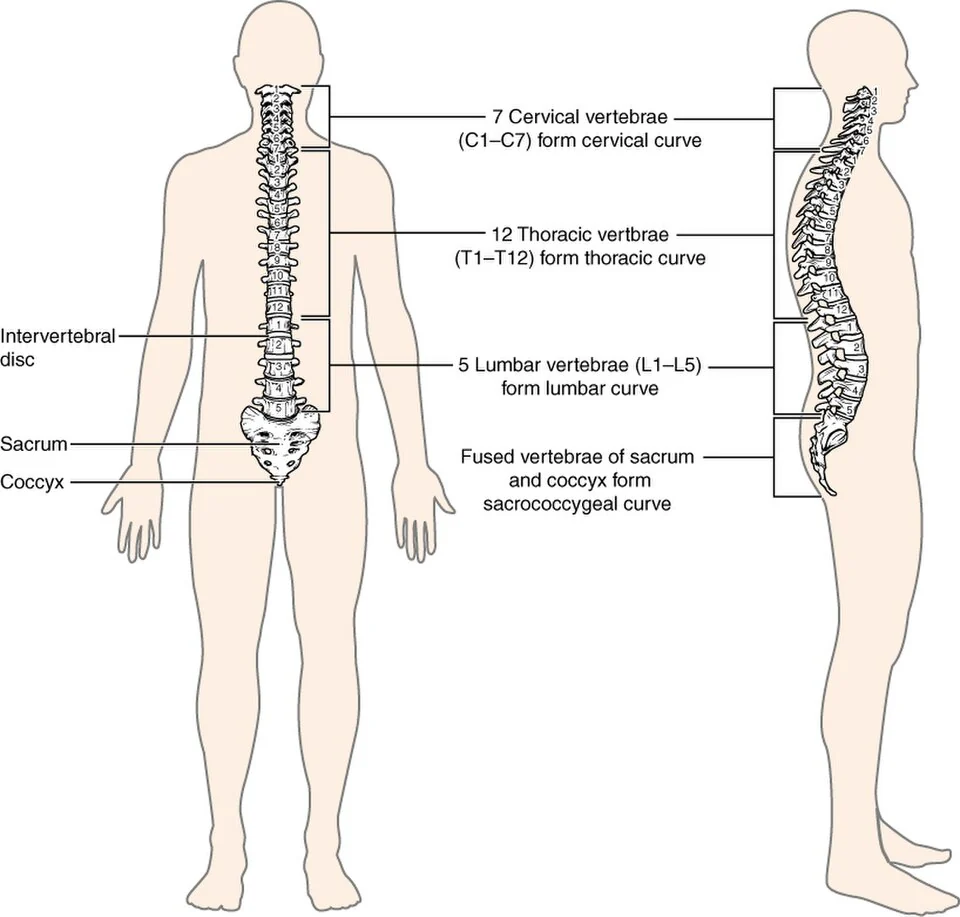
The skeleton
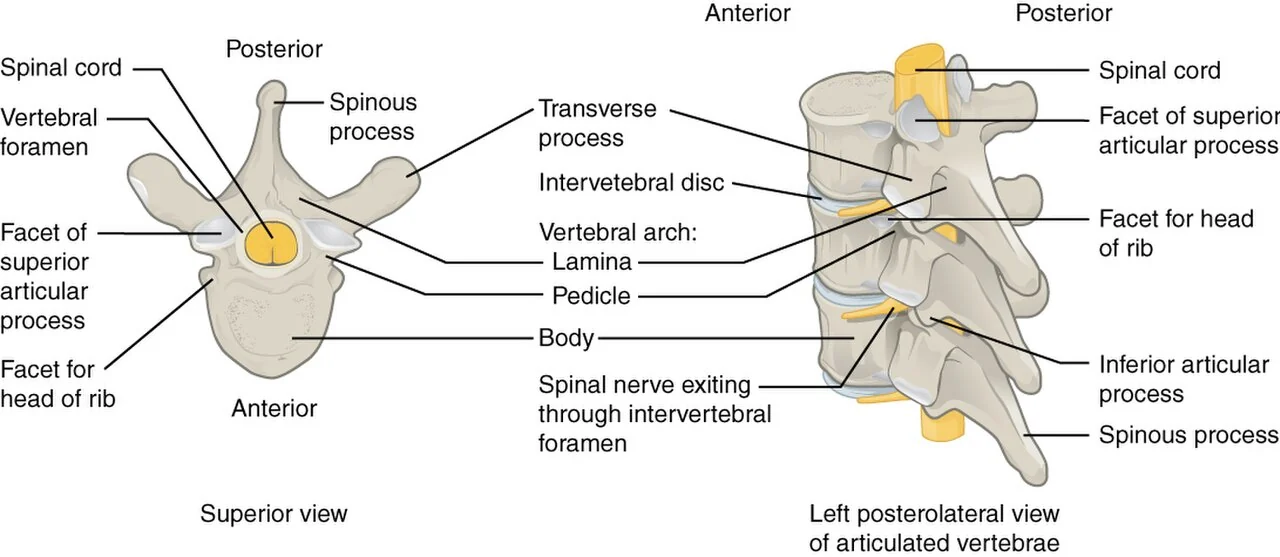
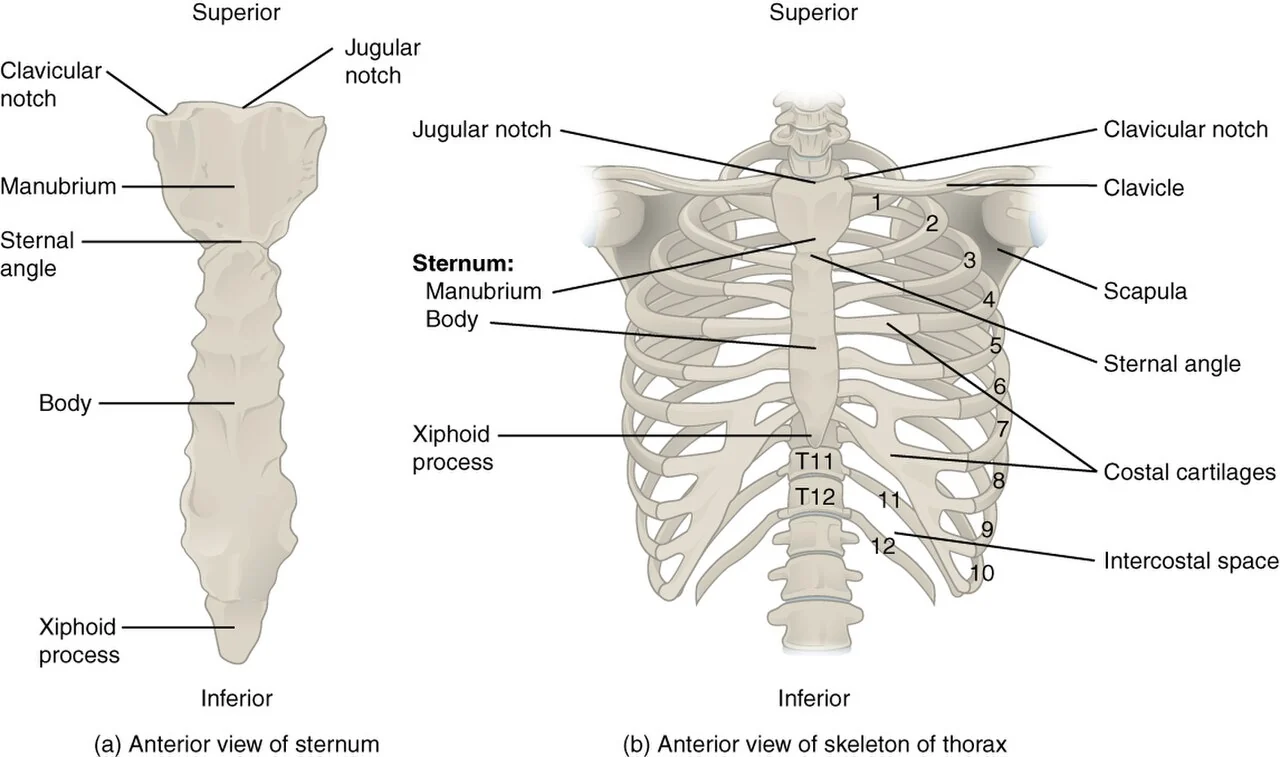
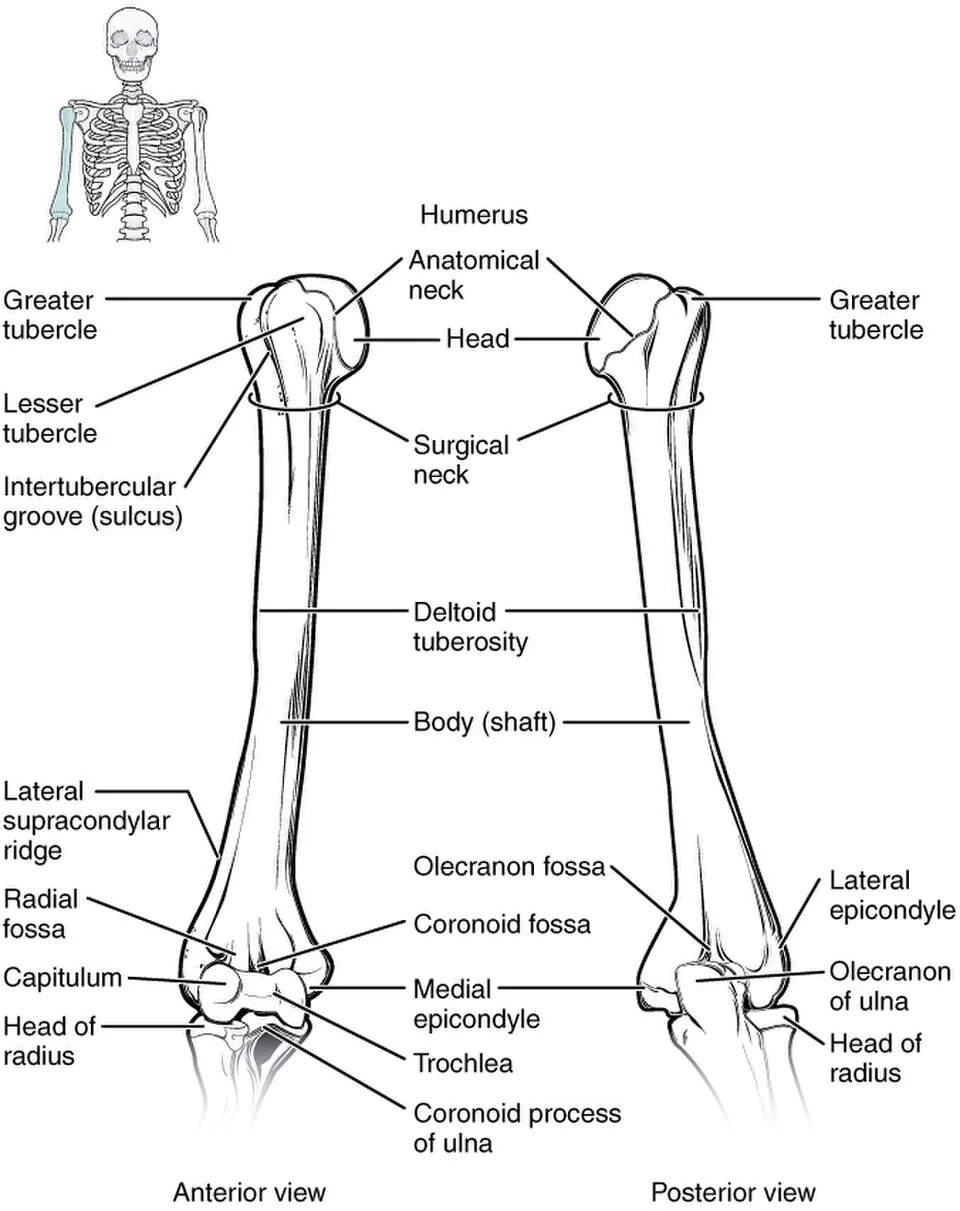
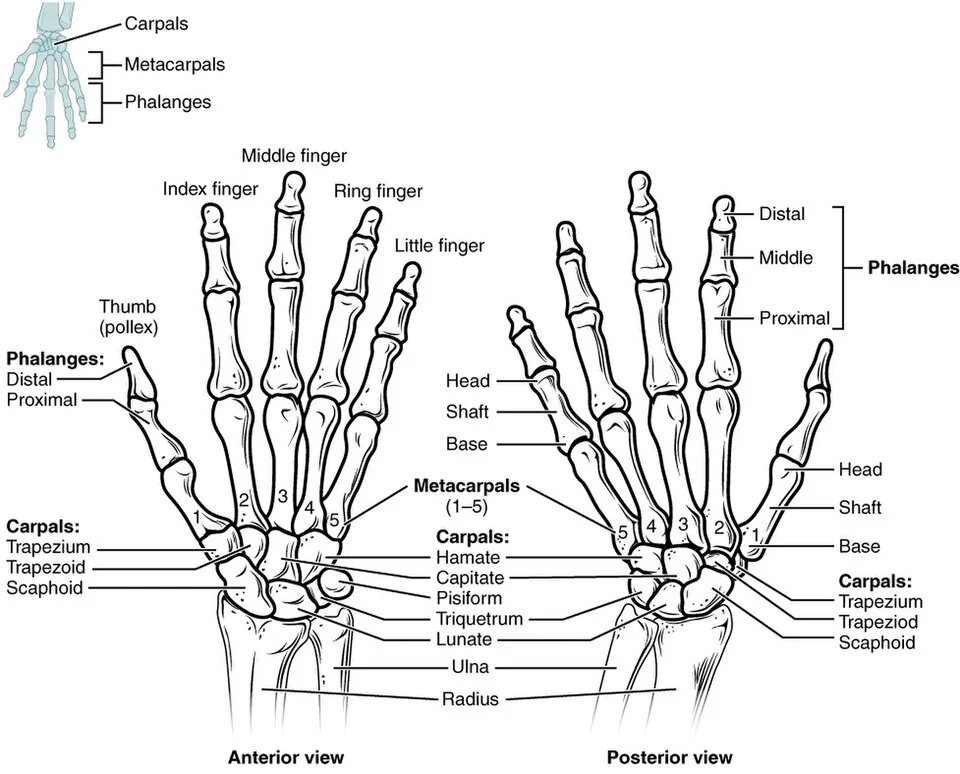
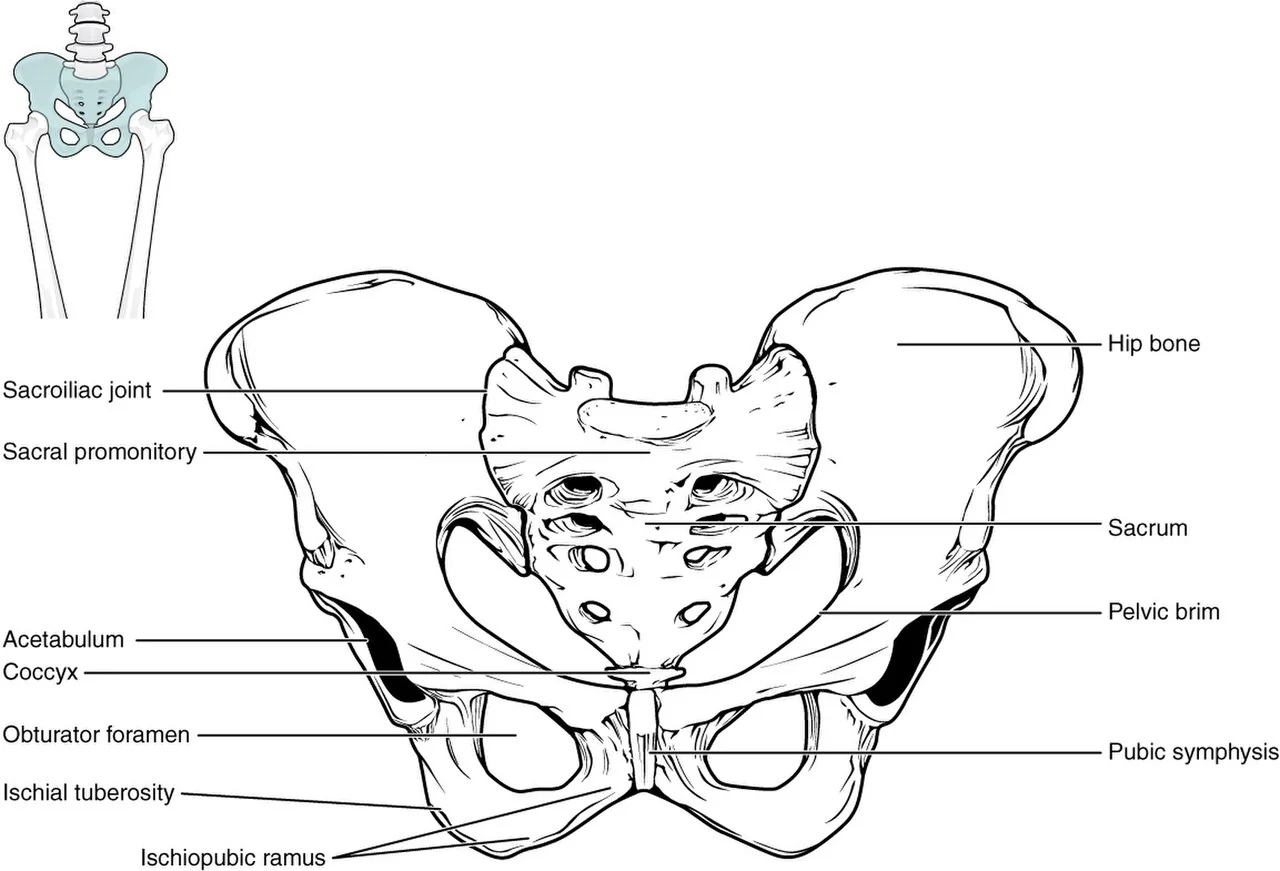
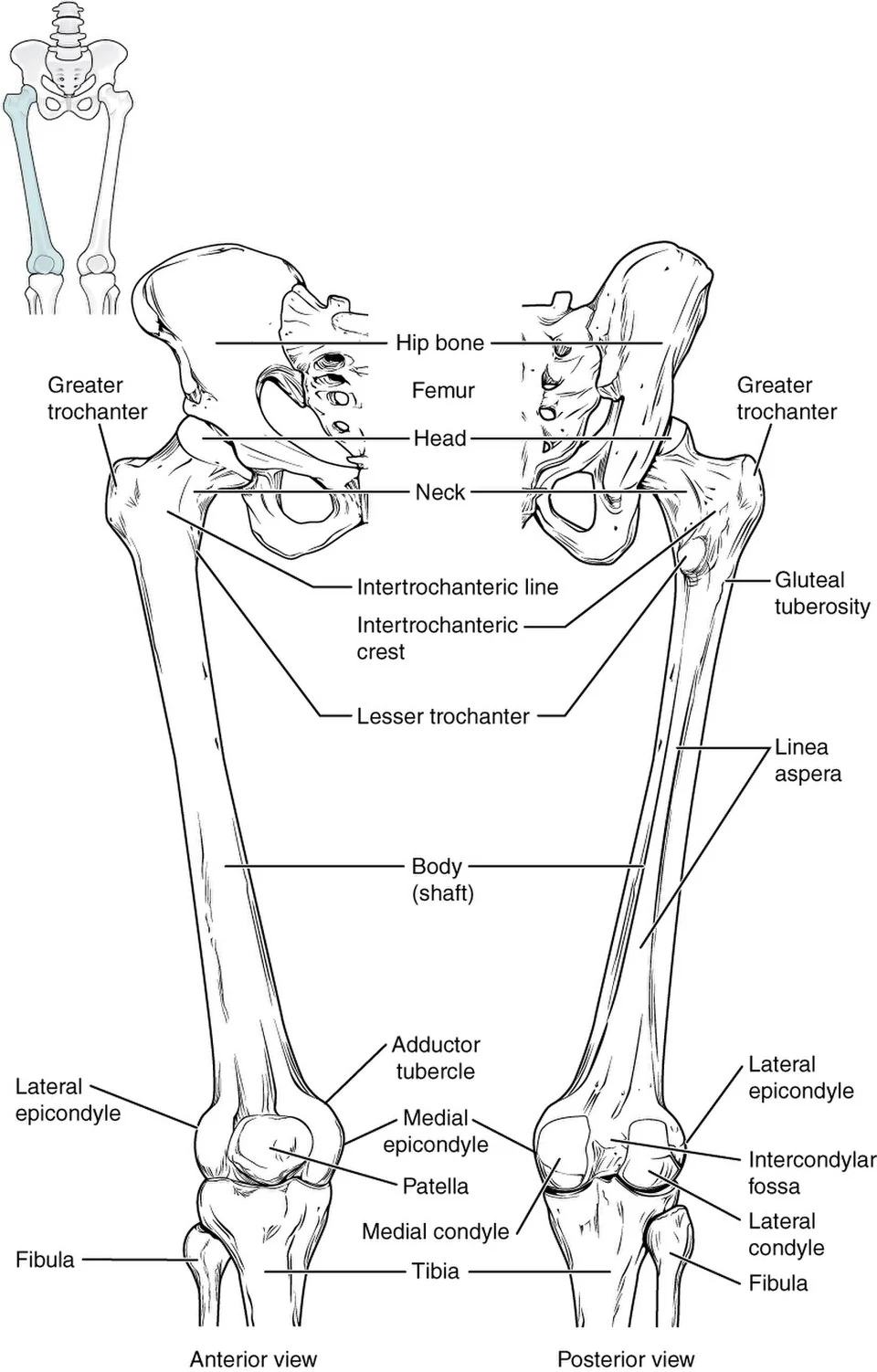
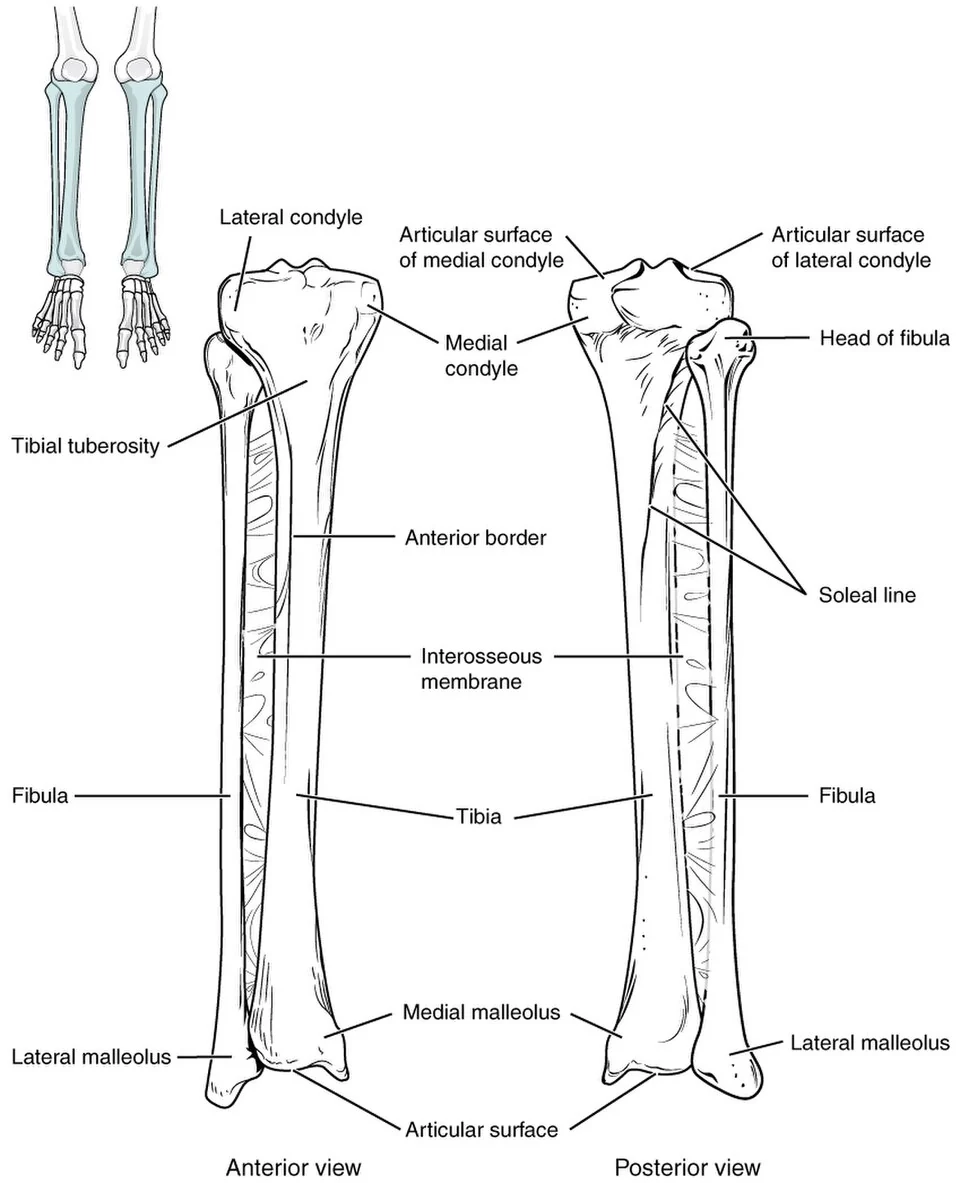
Every major bone, then the bumps, ridges and holes on each one. 184 parts.
Muscles
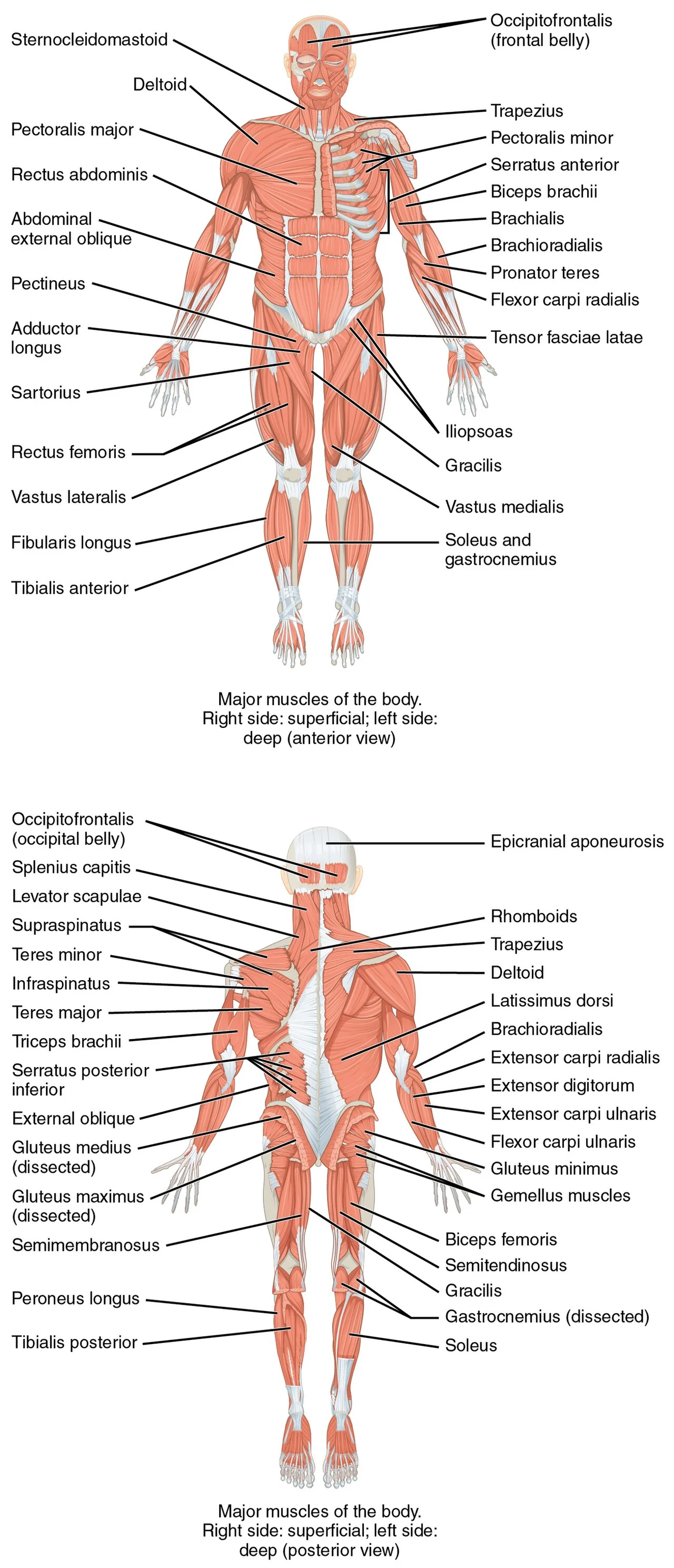
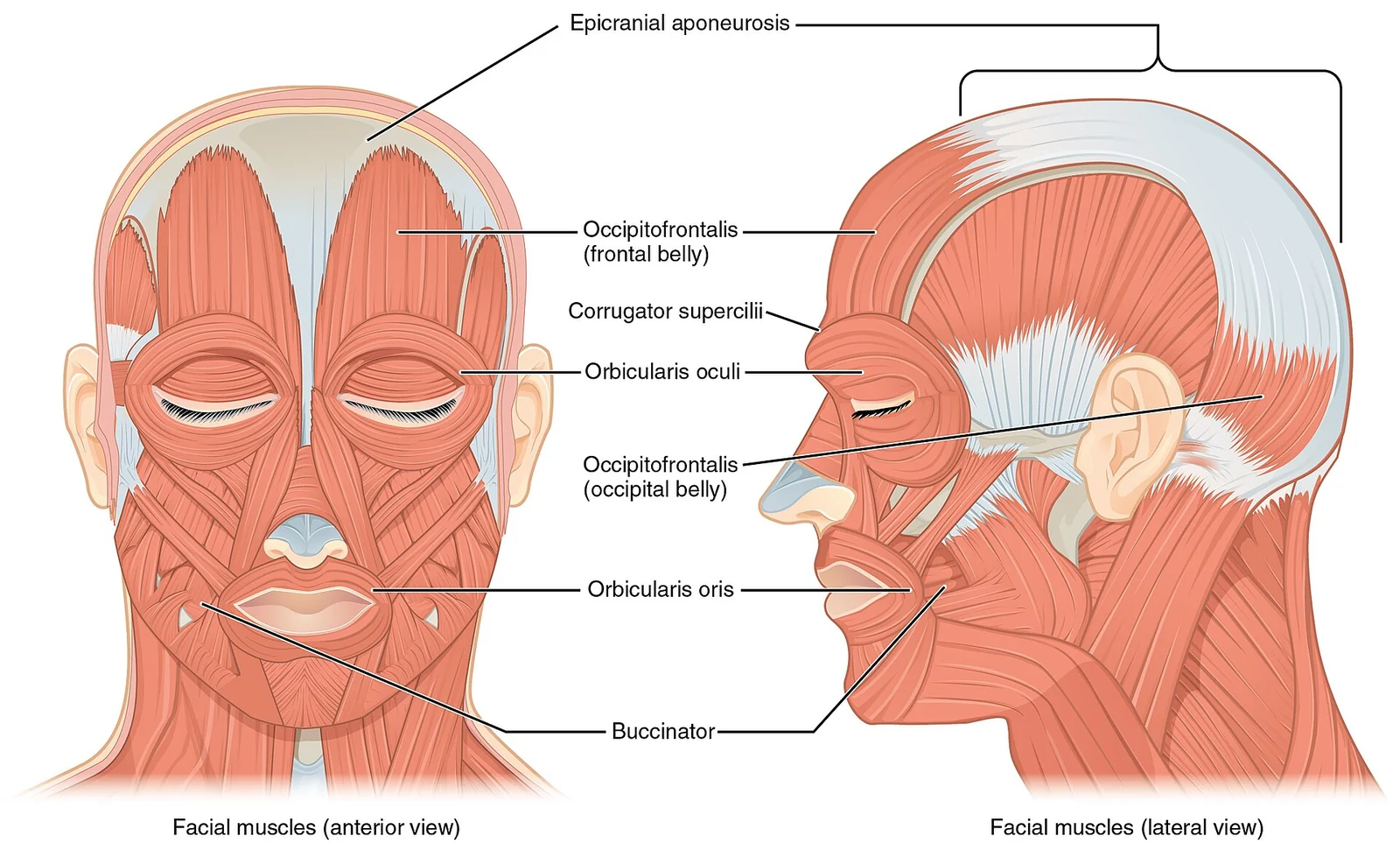
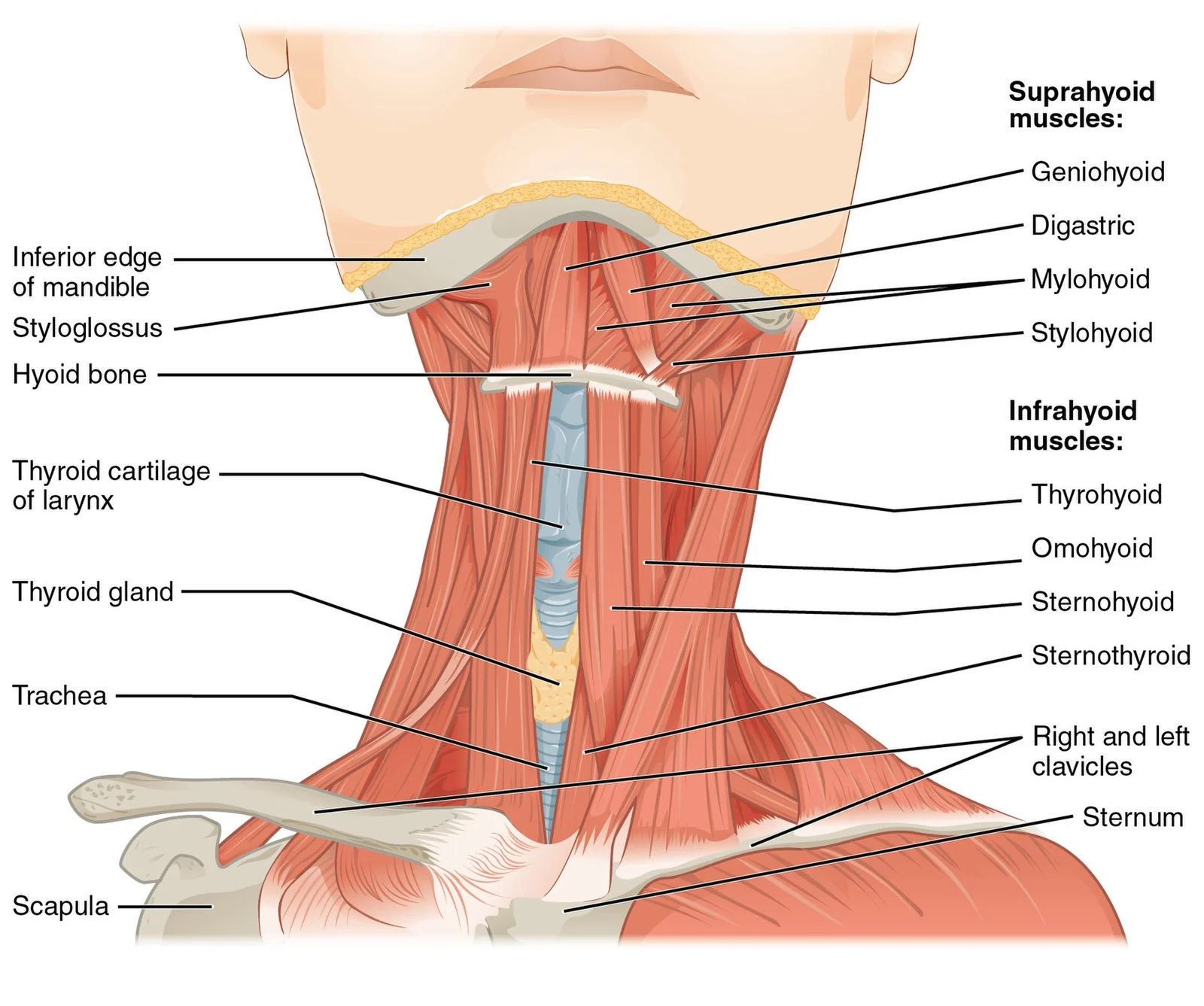
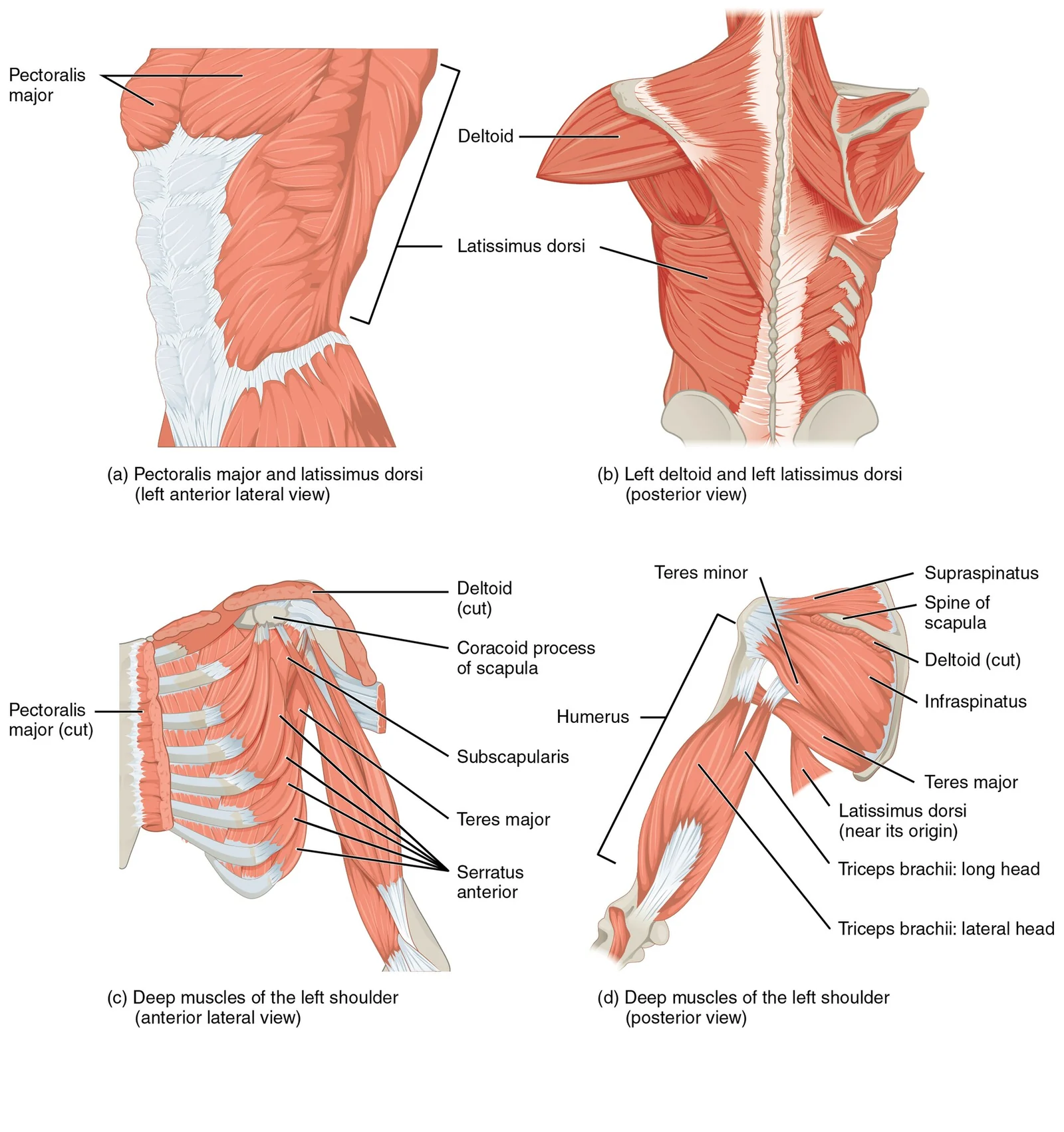
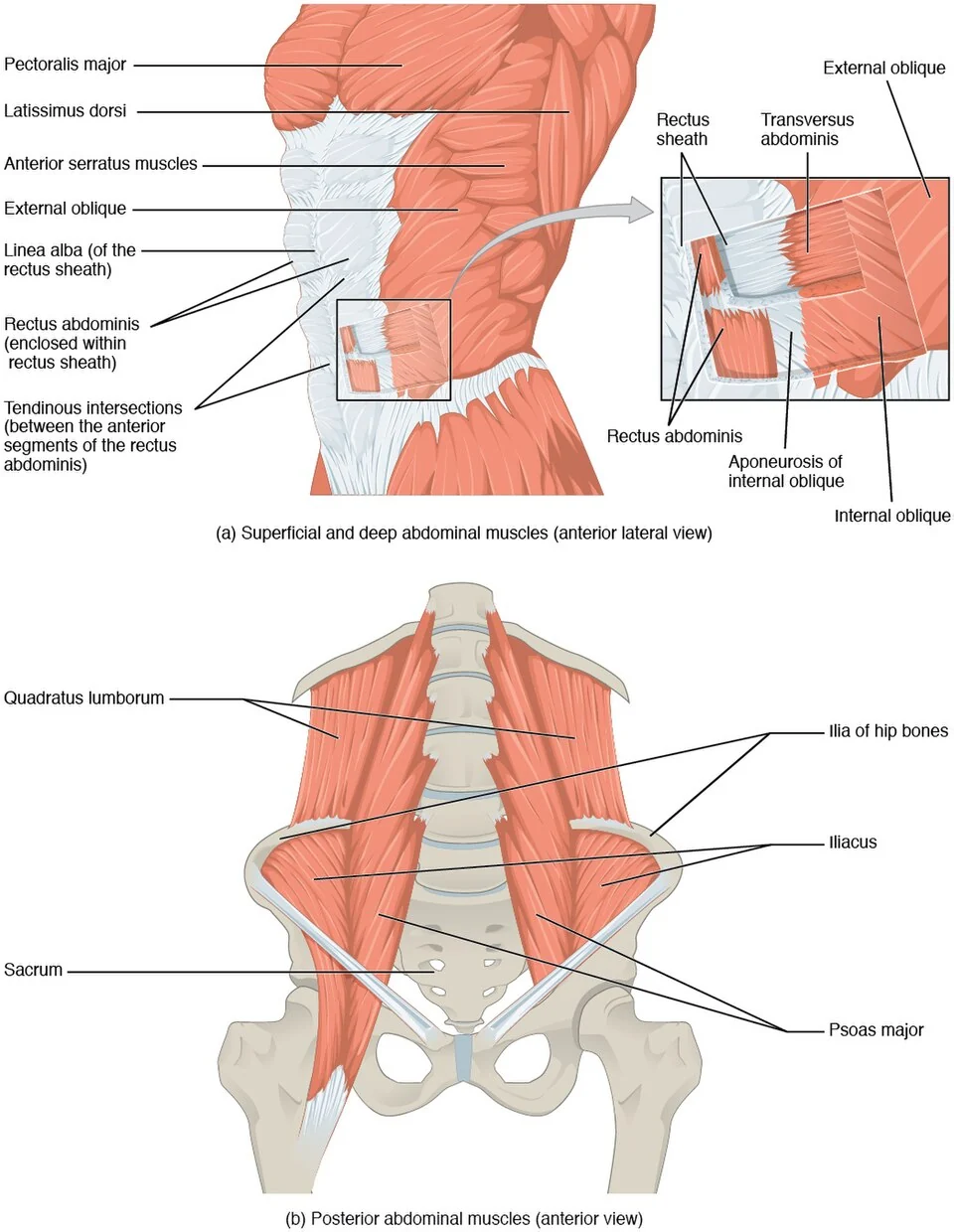
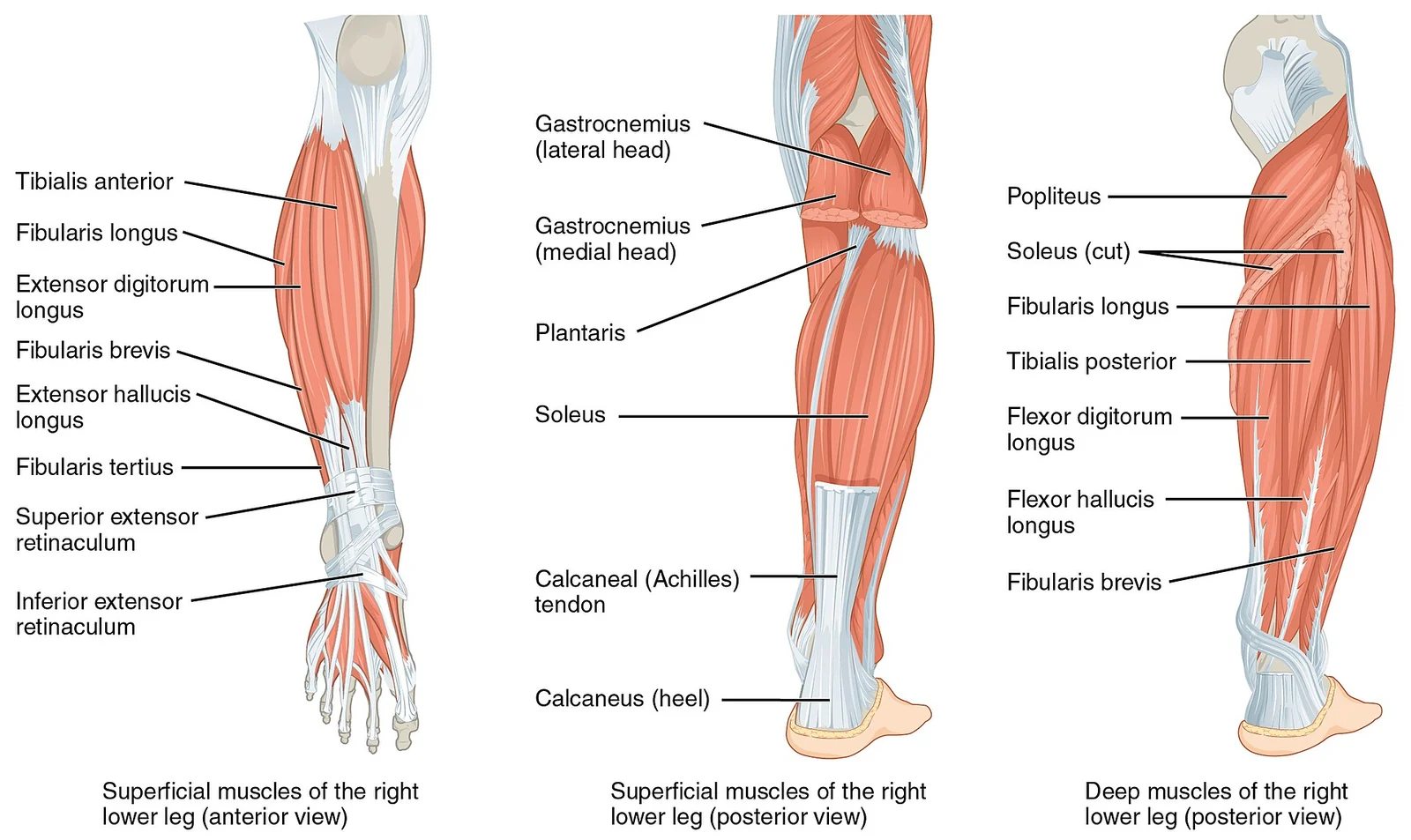
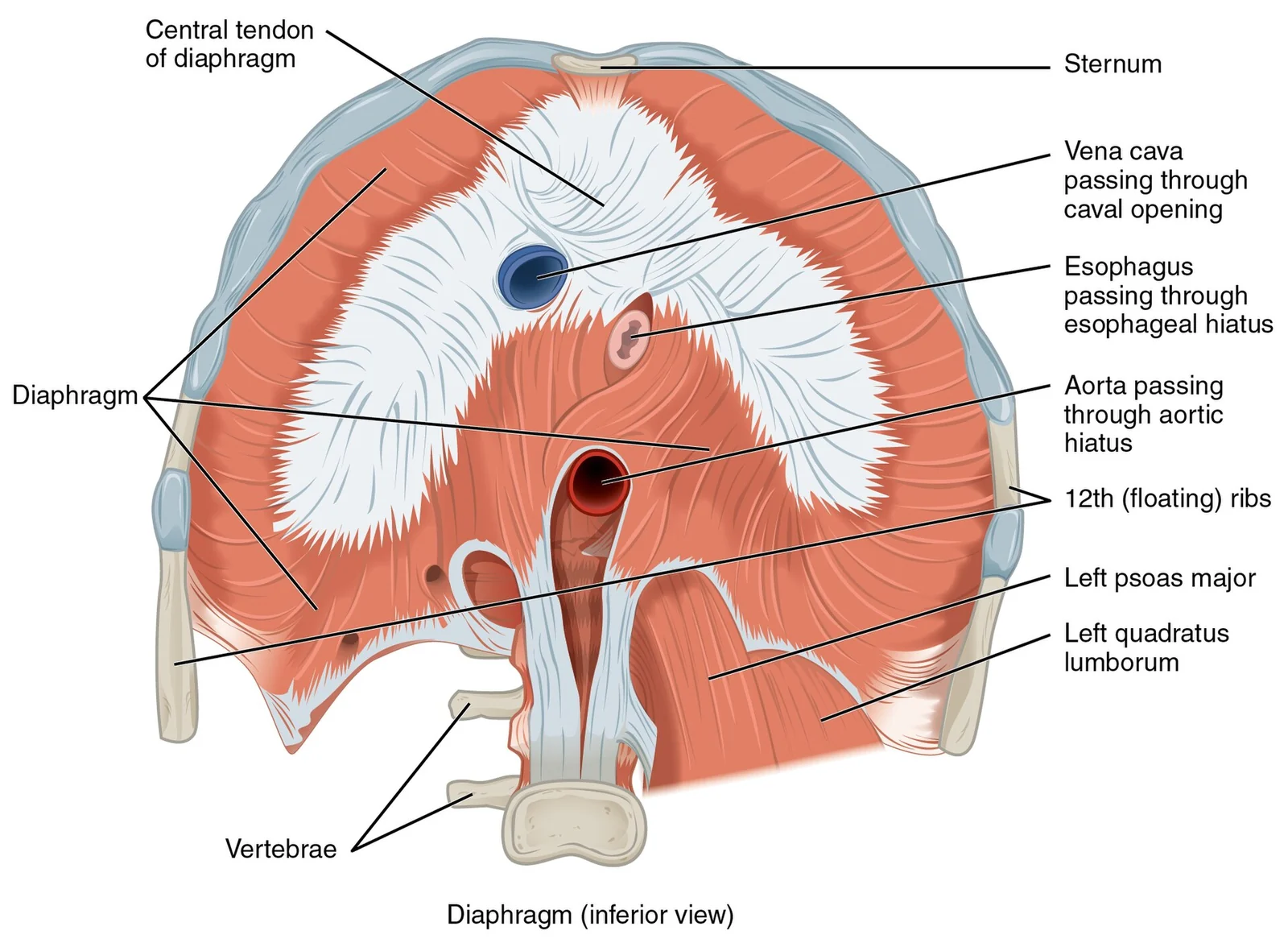
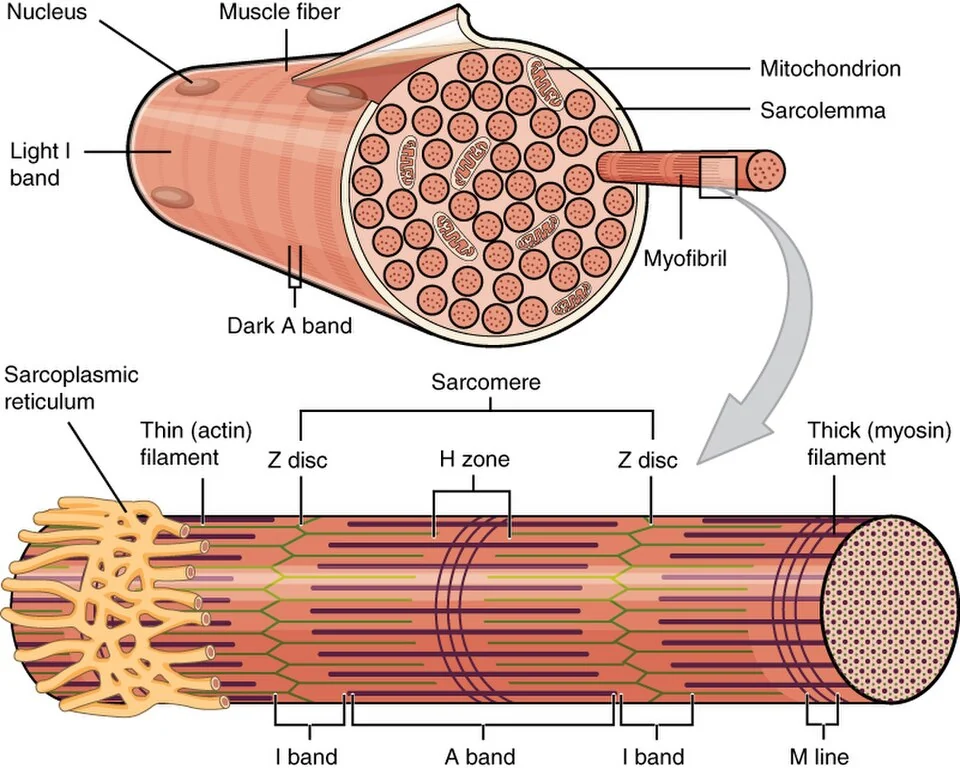
The major muscles front and back, then the face, neck, arm, abdomen, leg and diaphragm. 141 parts.
Nervous tissue
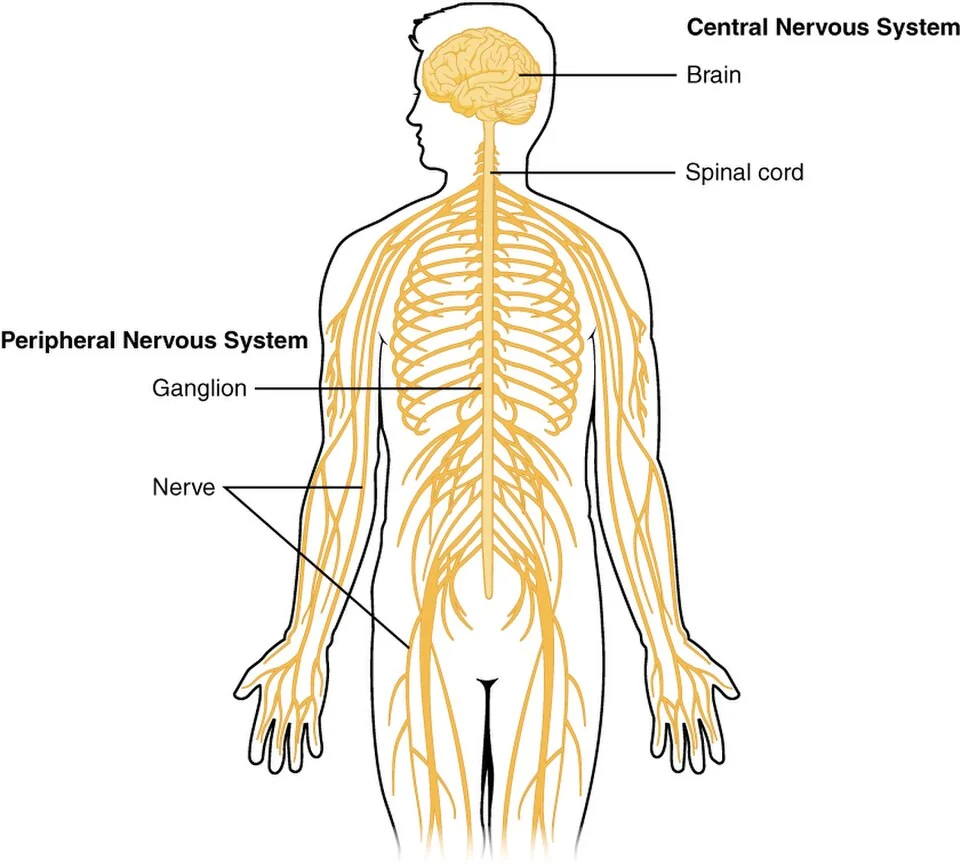
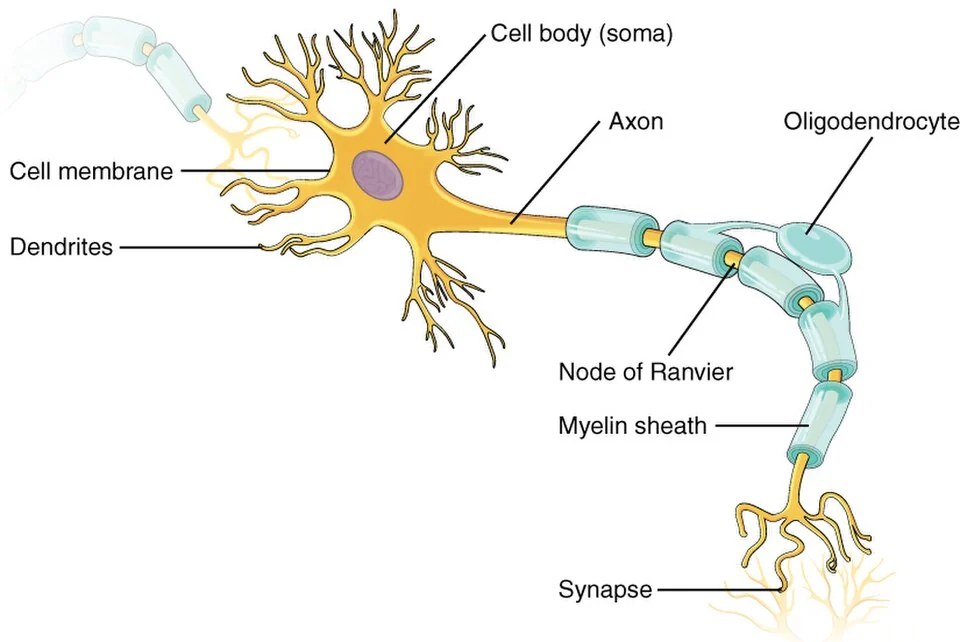
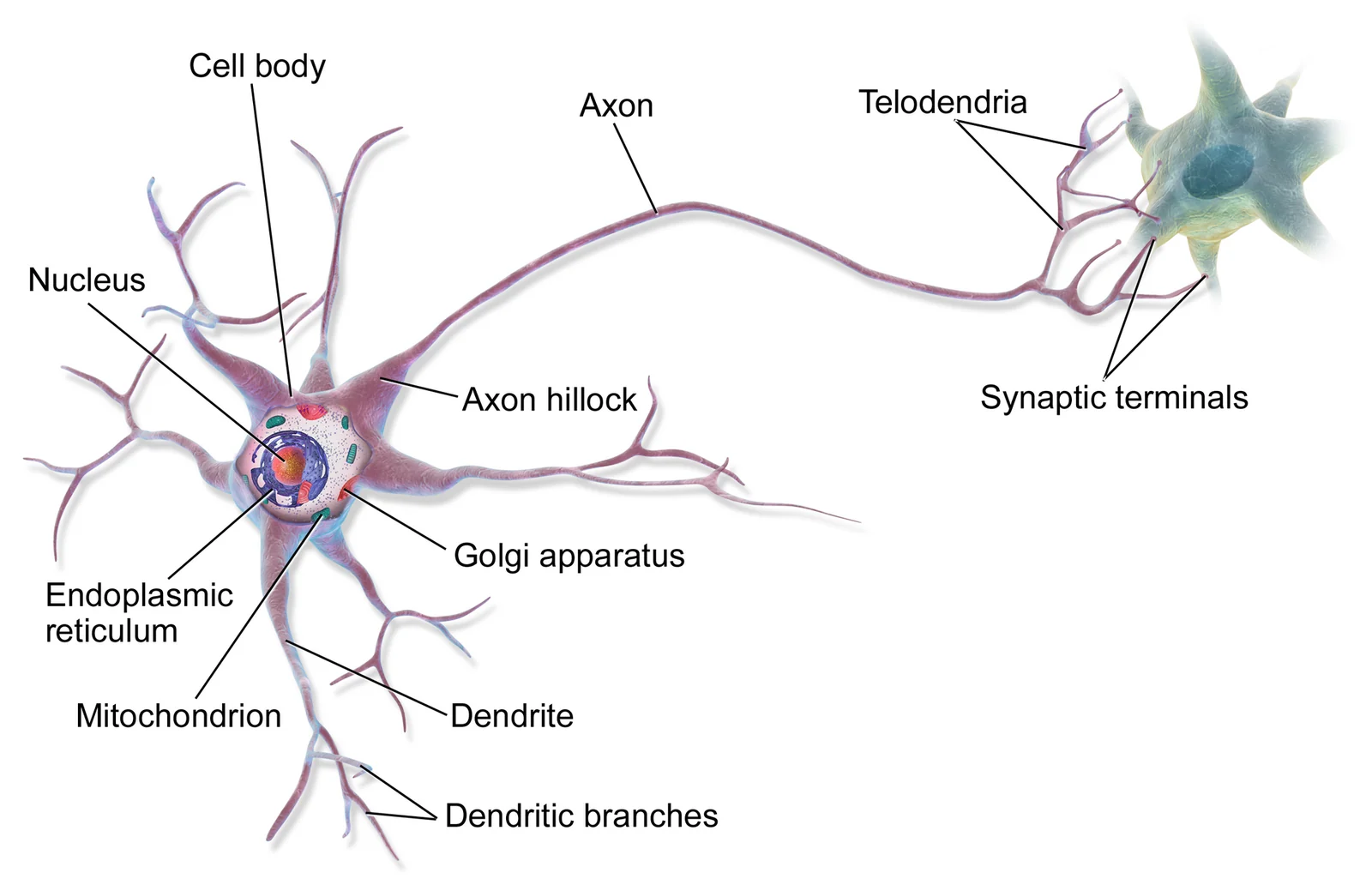
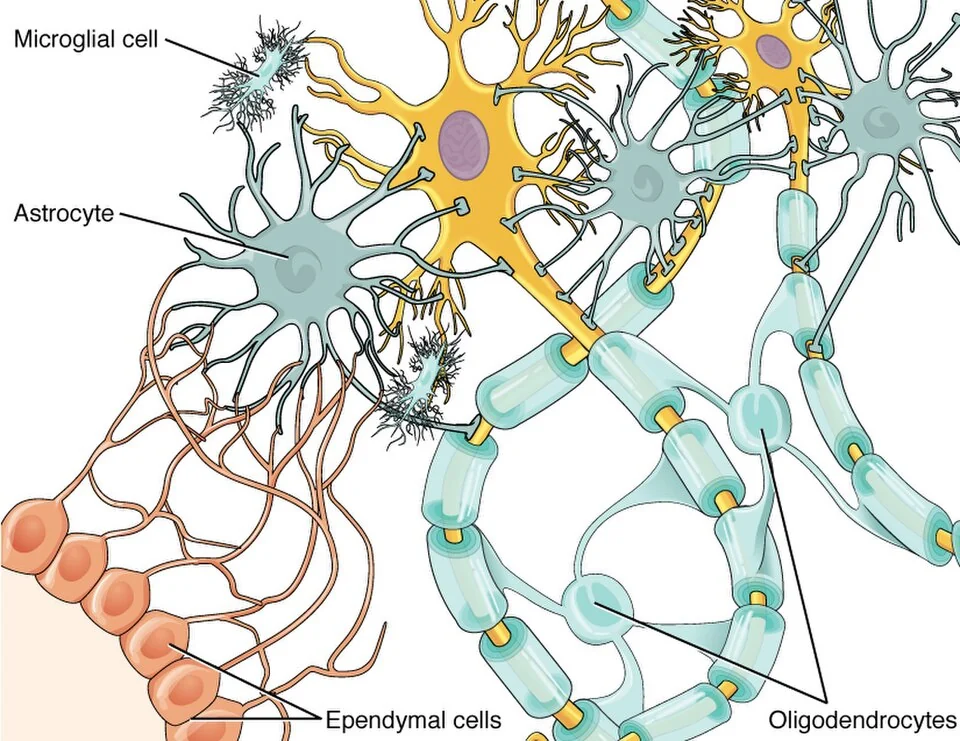
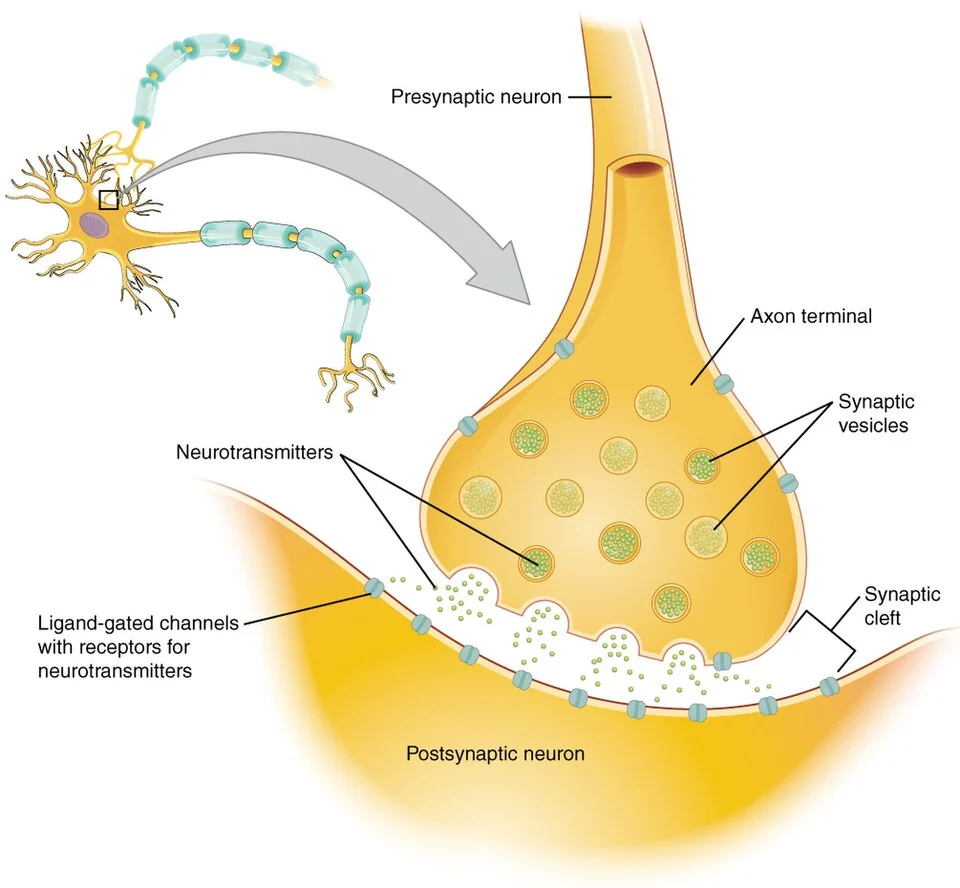
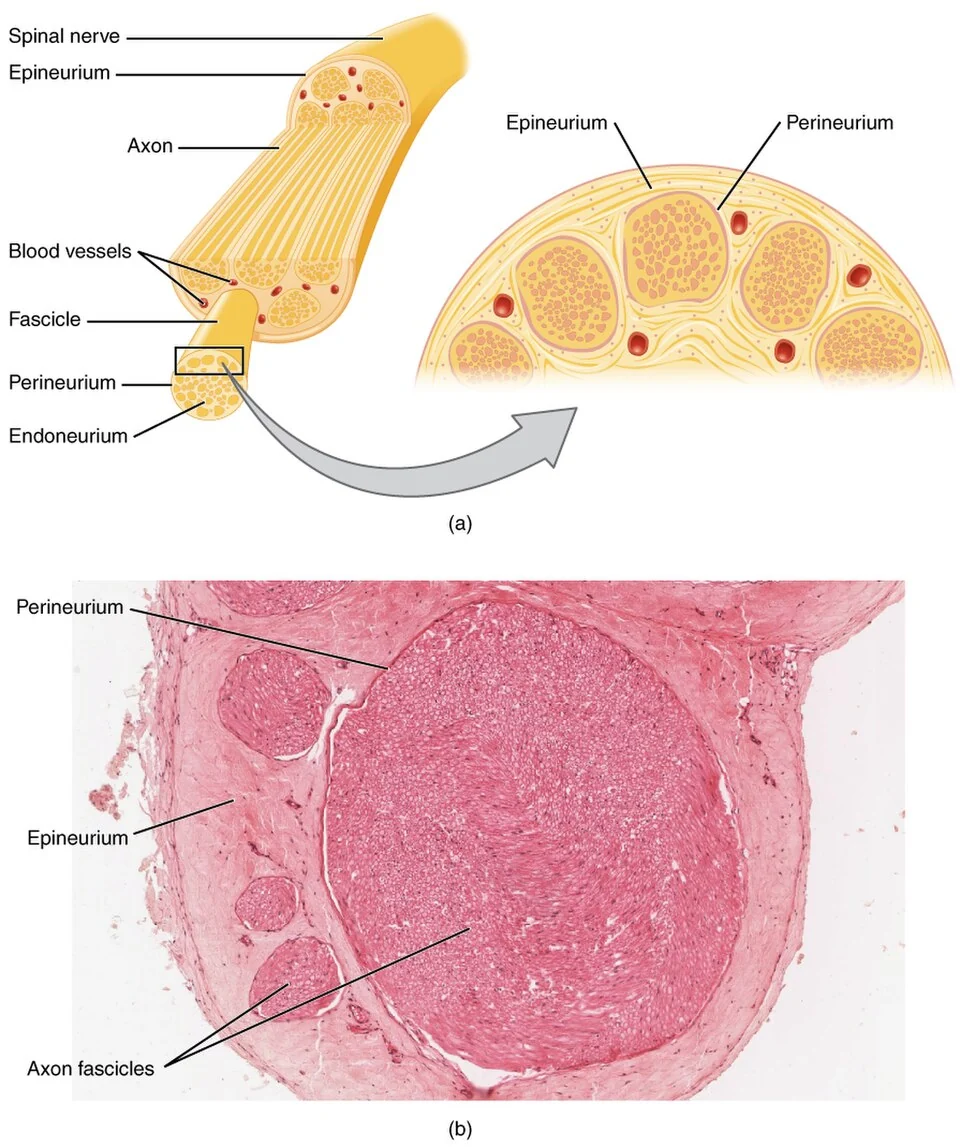
The two divisions of the nervous system, neurons, glia, the synapse and a nerve's wrappings. 41 parts.
Brain and nerves
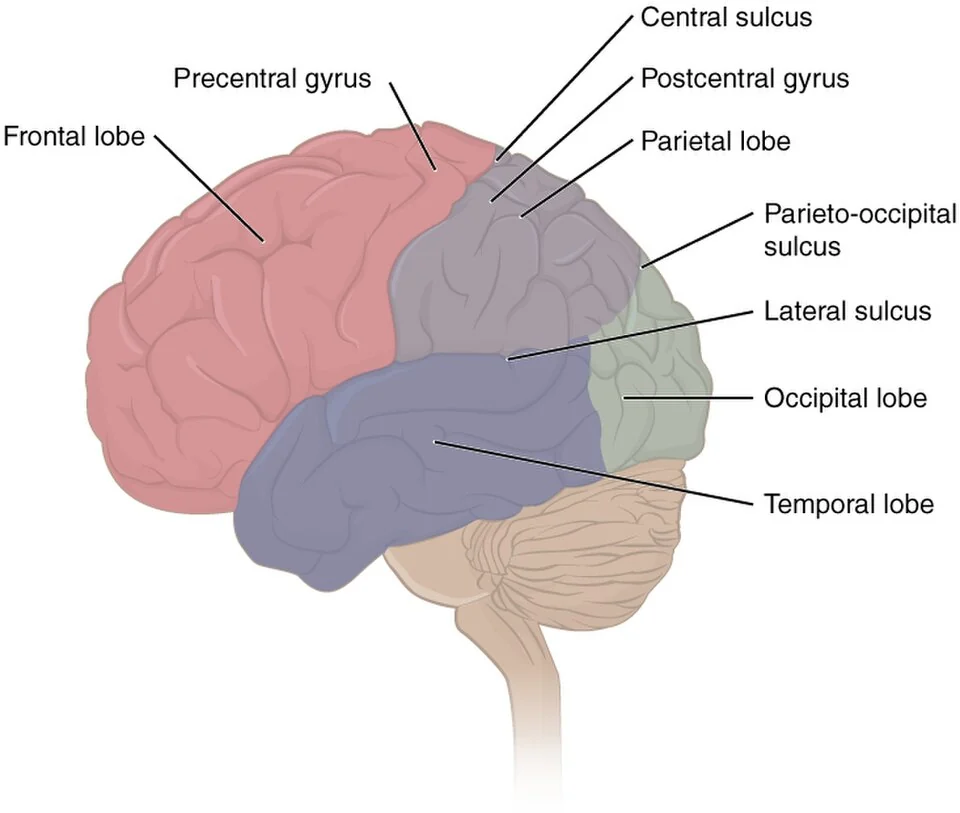
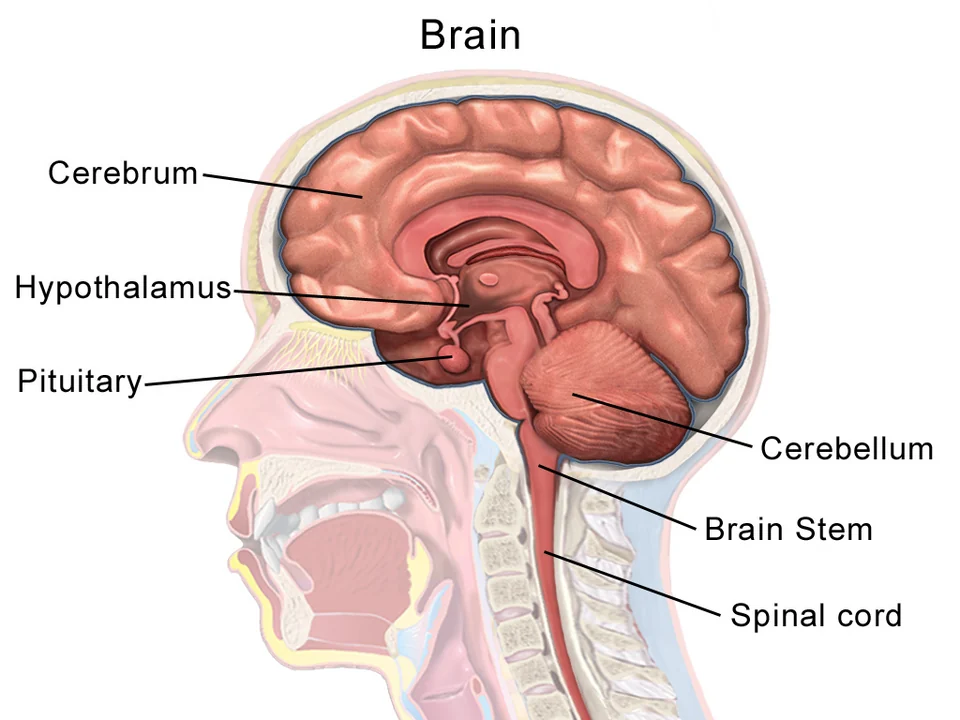
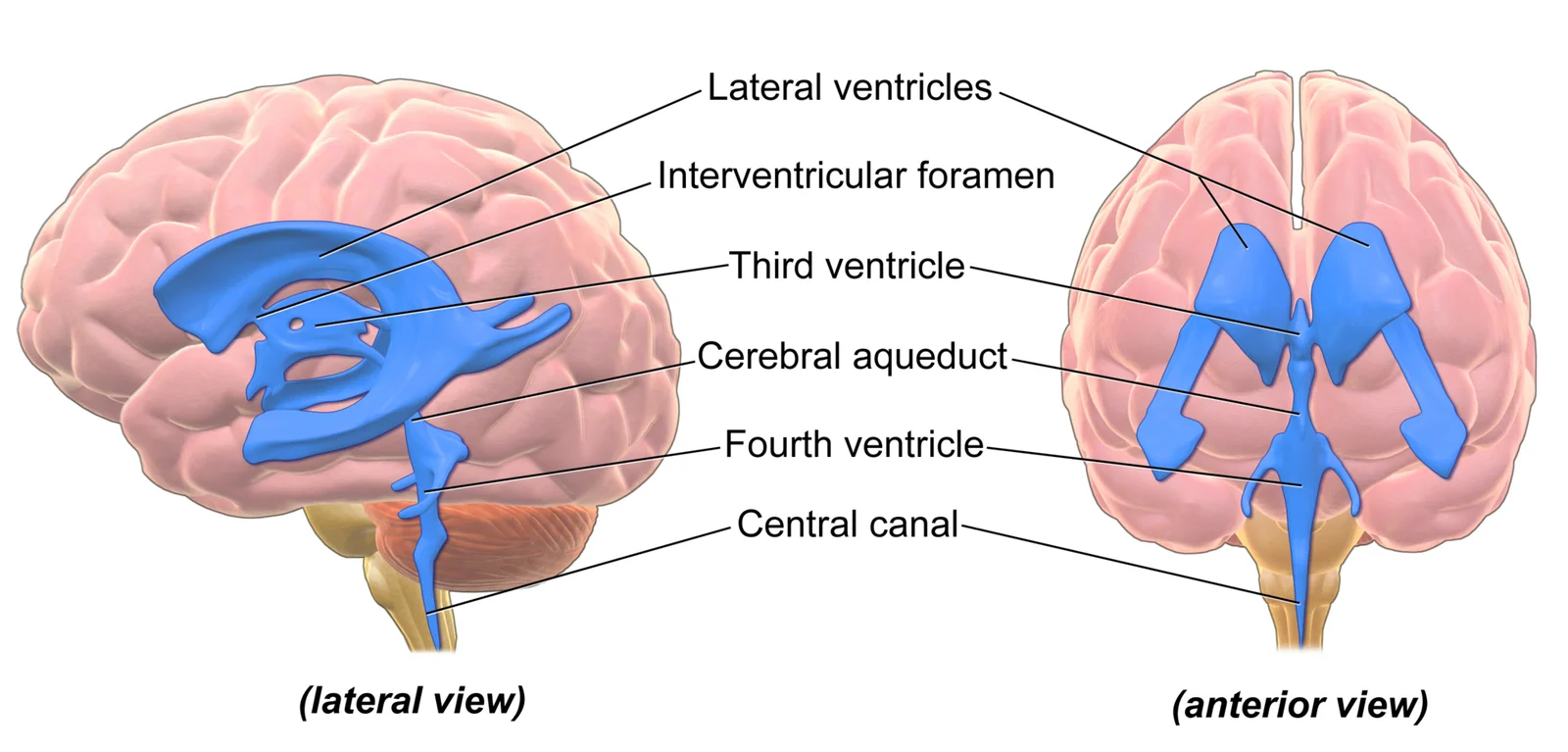
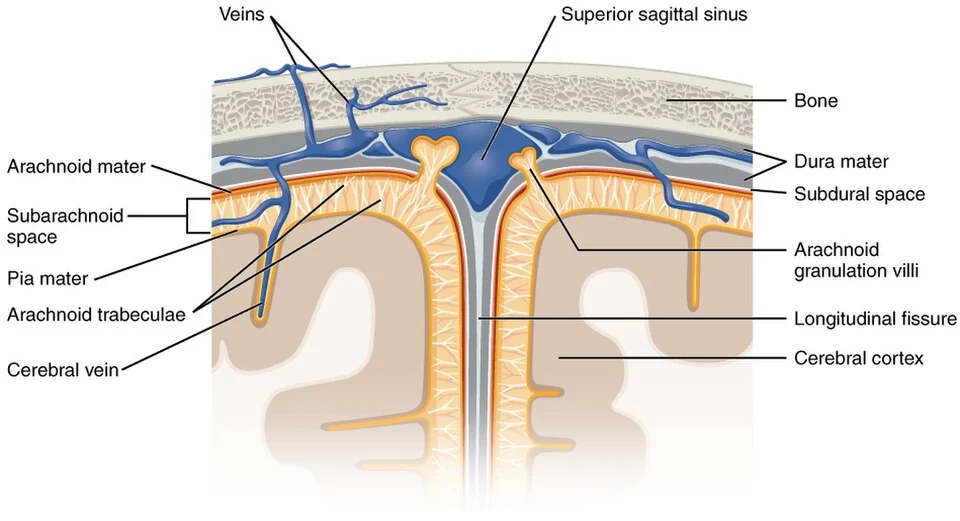
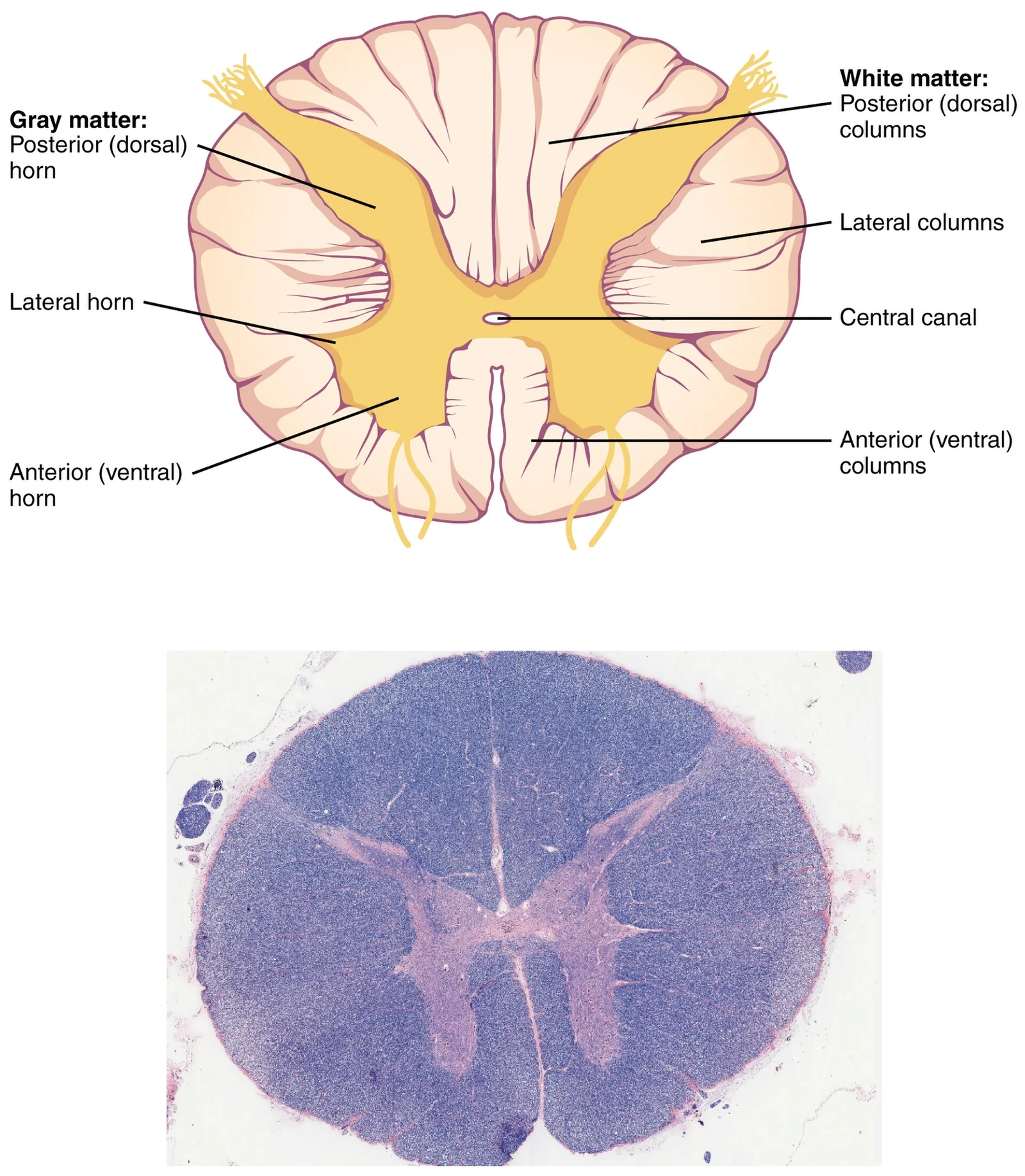
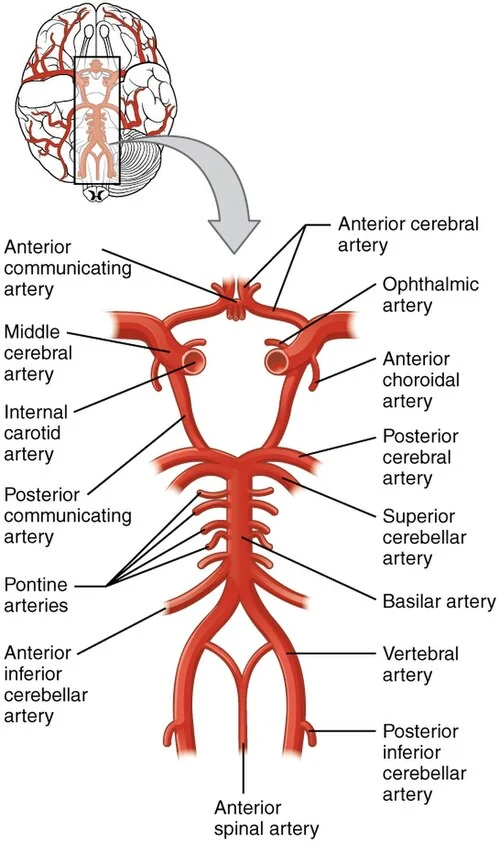
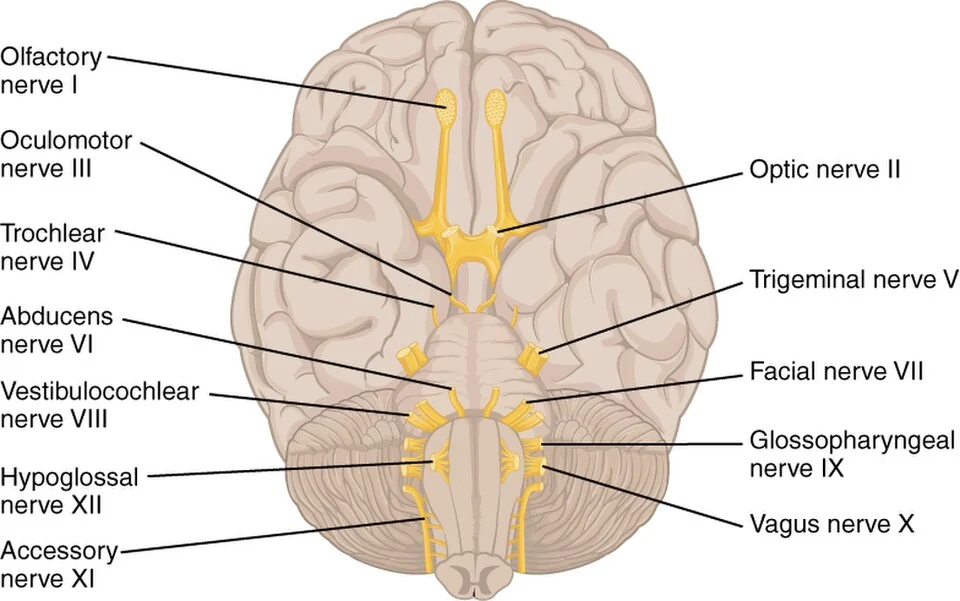
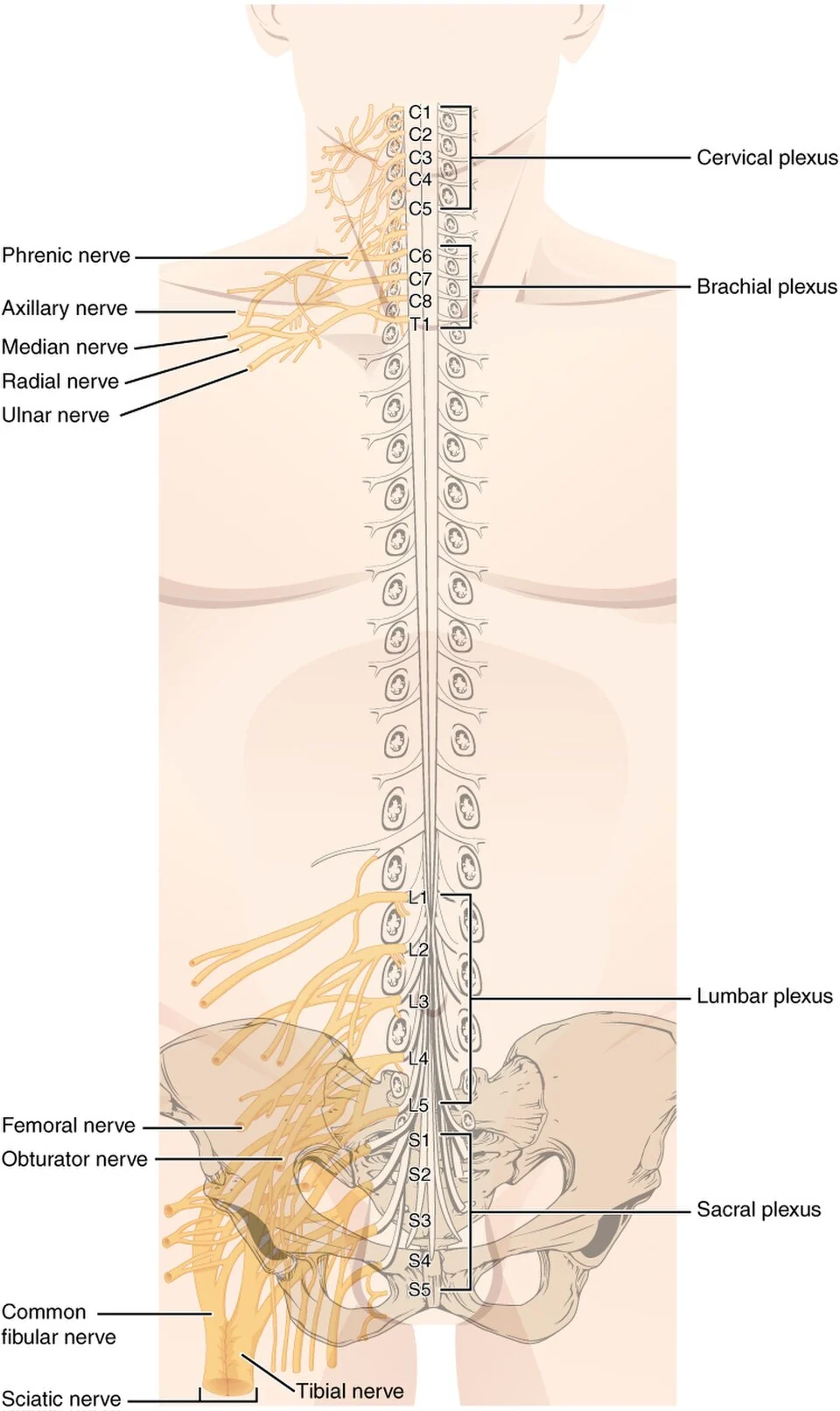
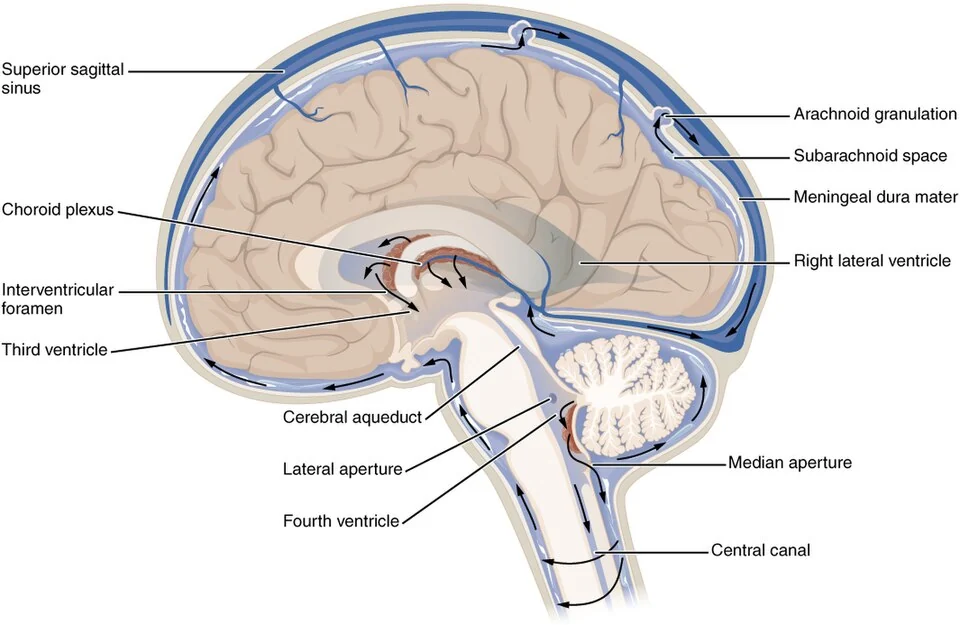
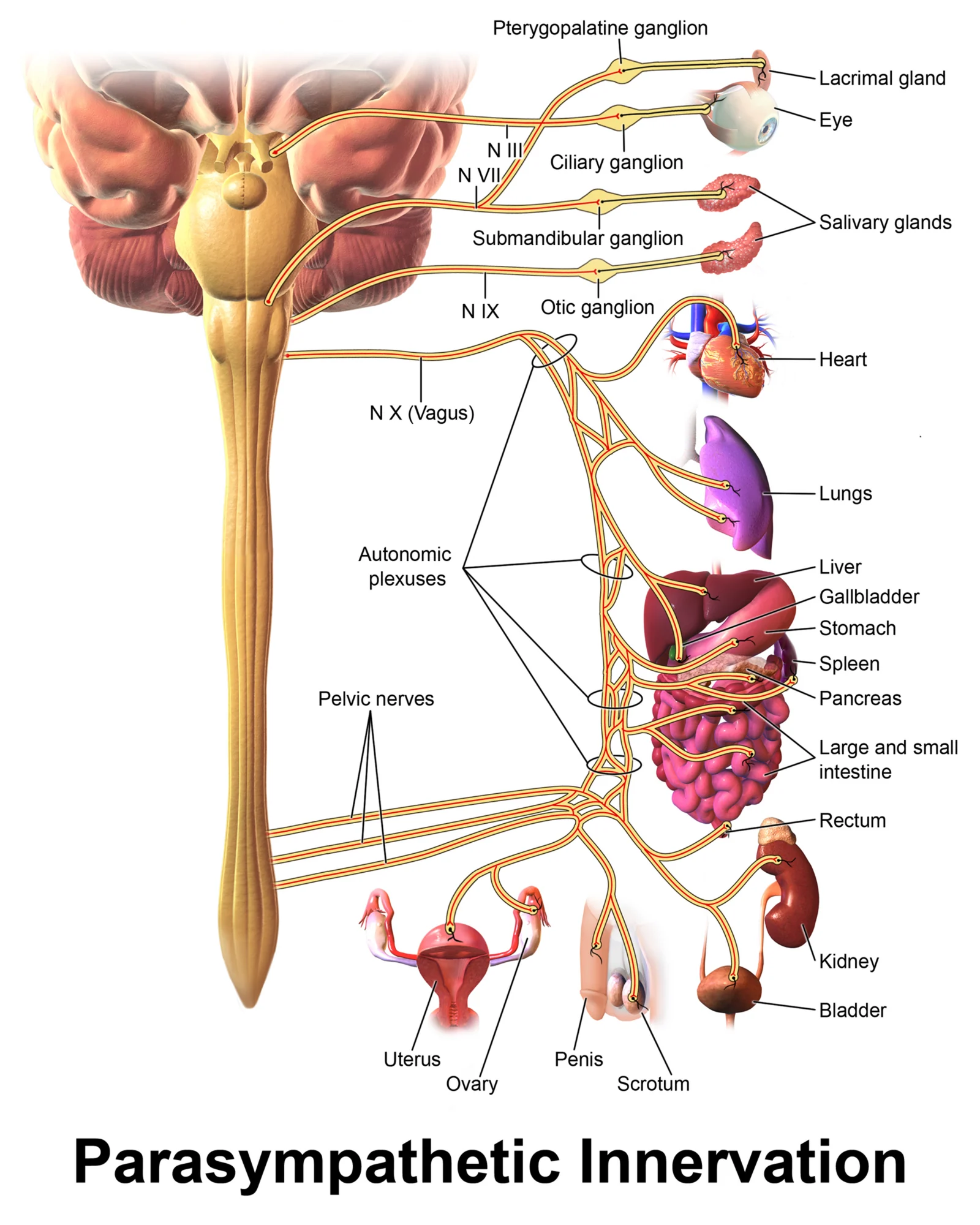
Lobes, ventricles, meninges, the spinal cord, the brain's arteries, cranial nerves and plexuses. 122 parts.
Eye, ear and taste
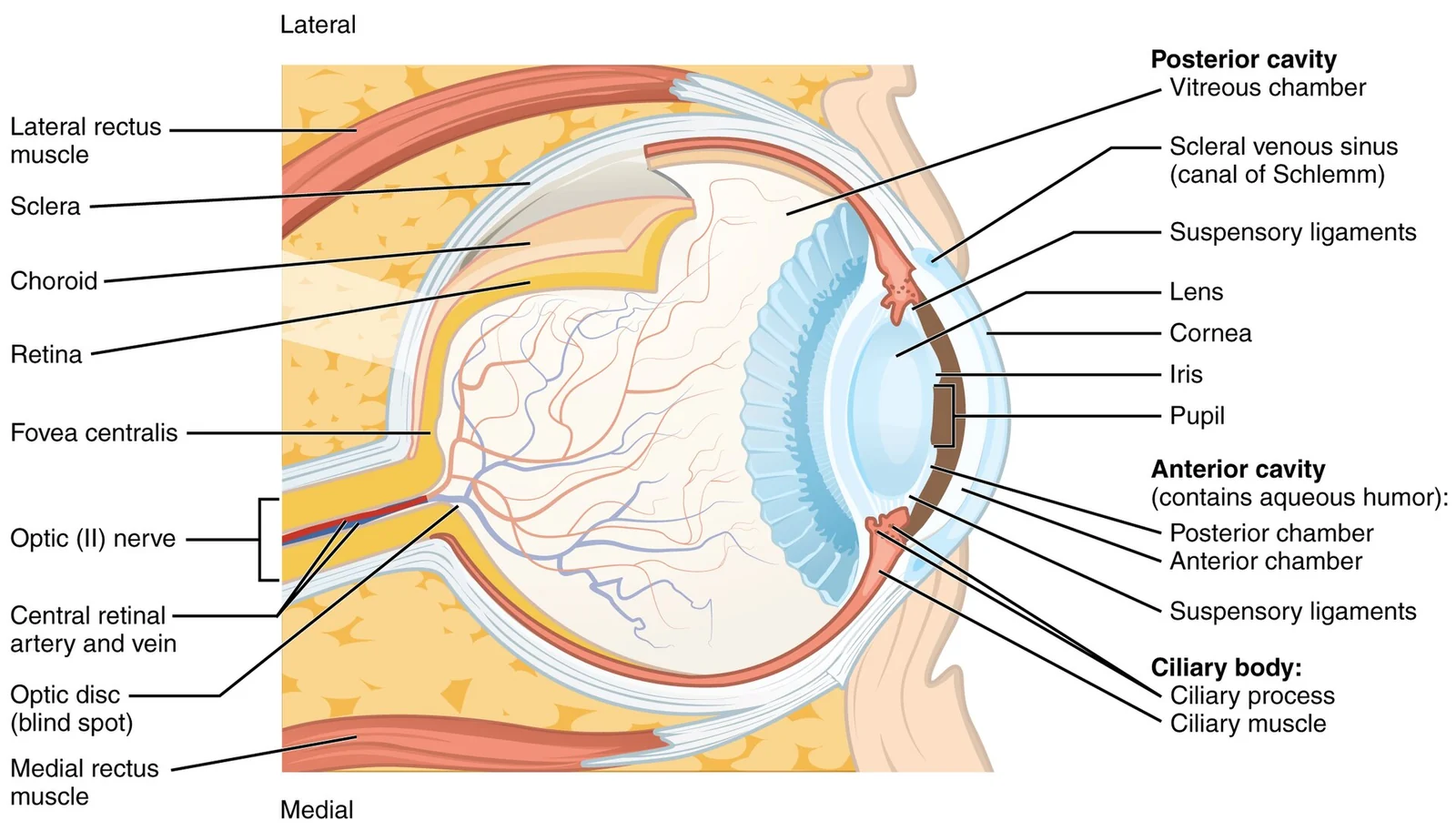
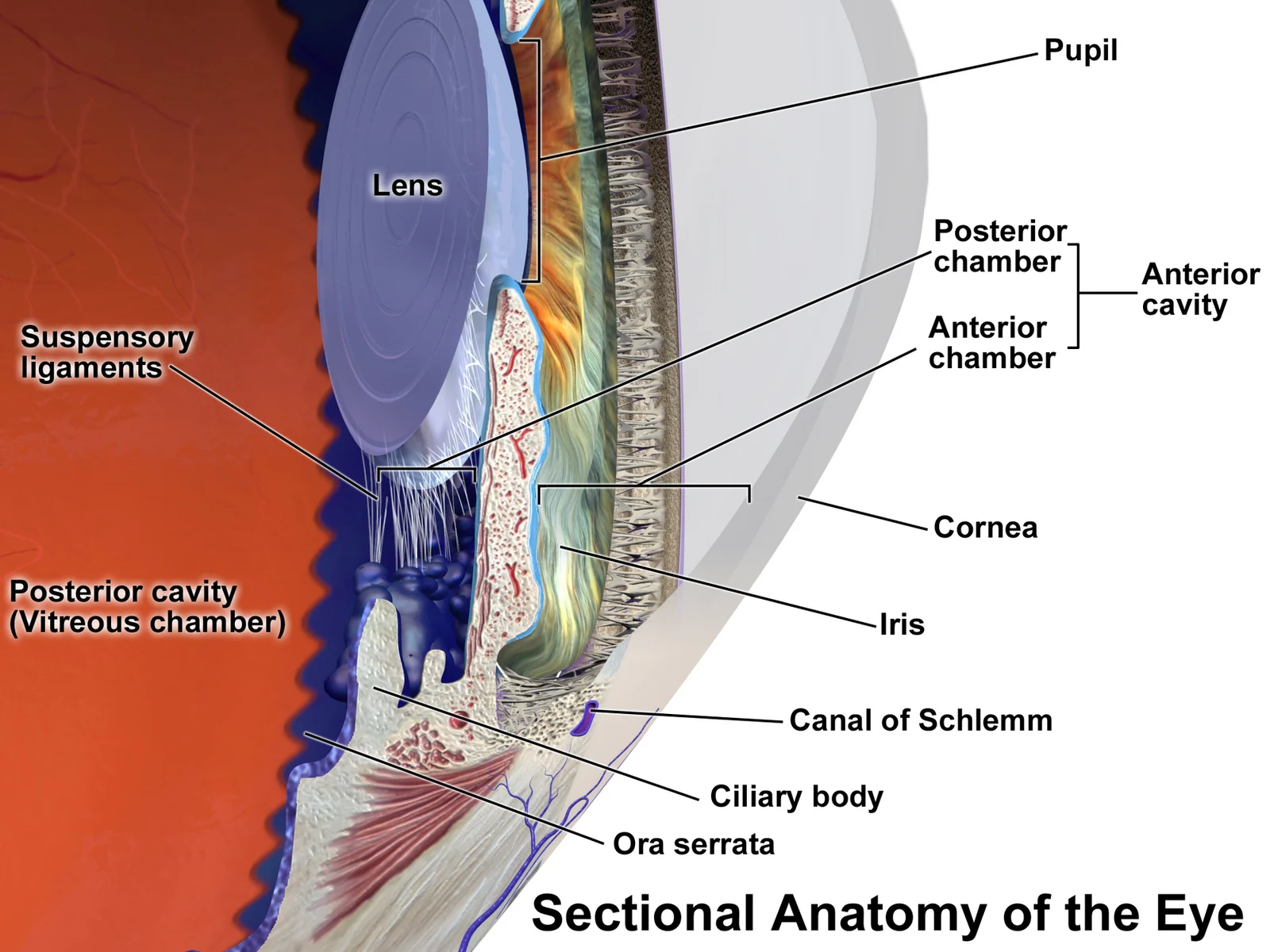
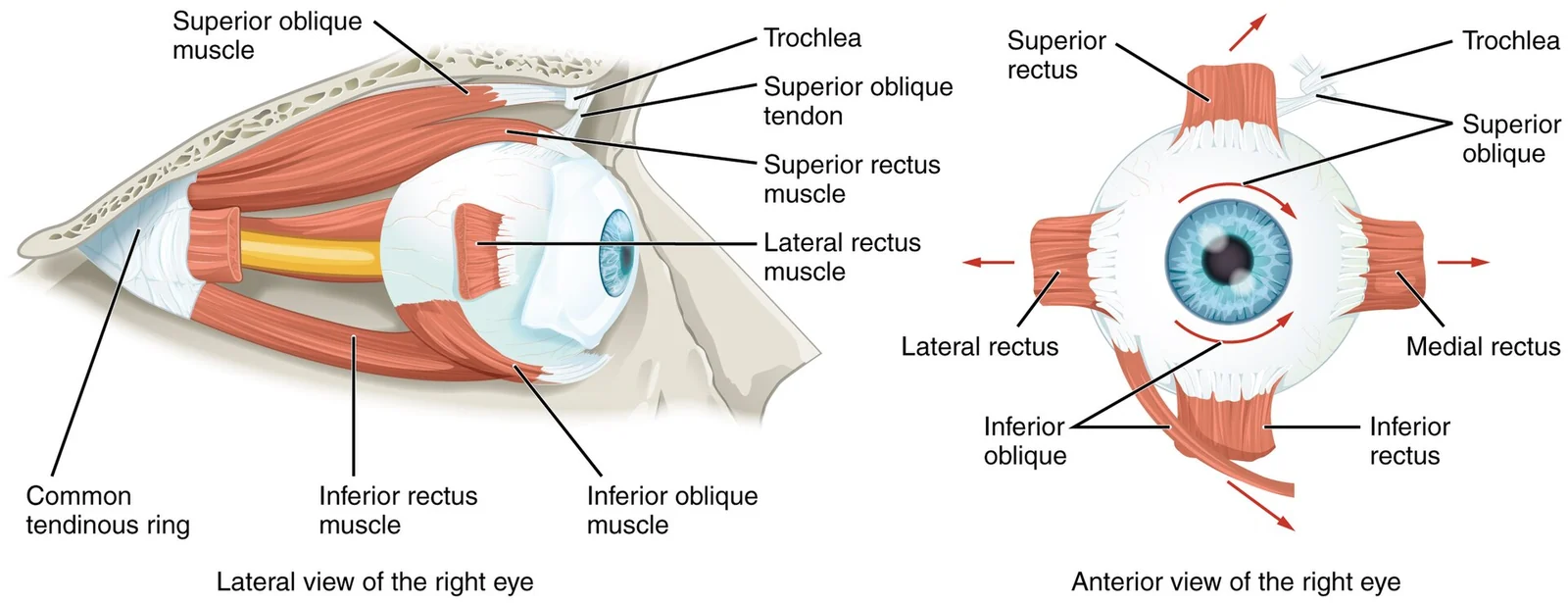
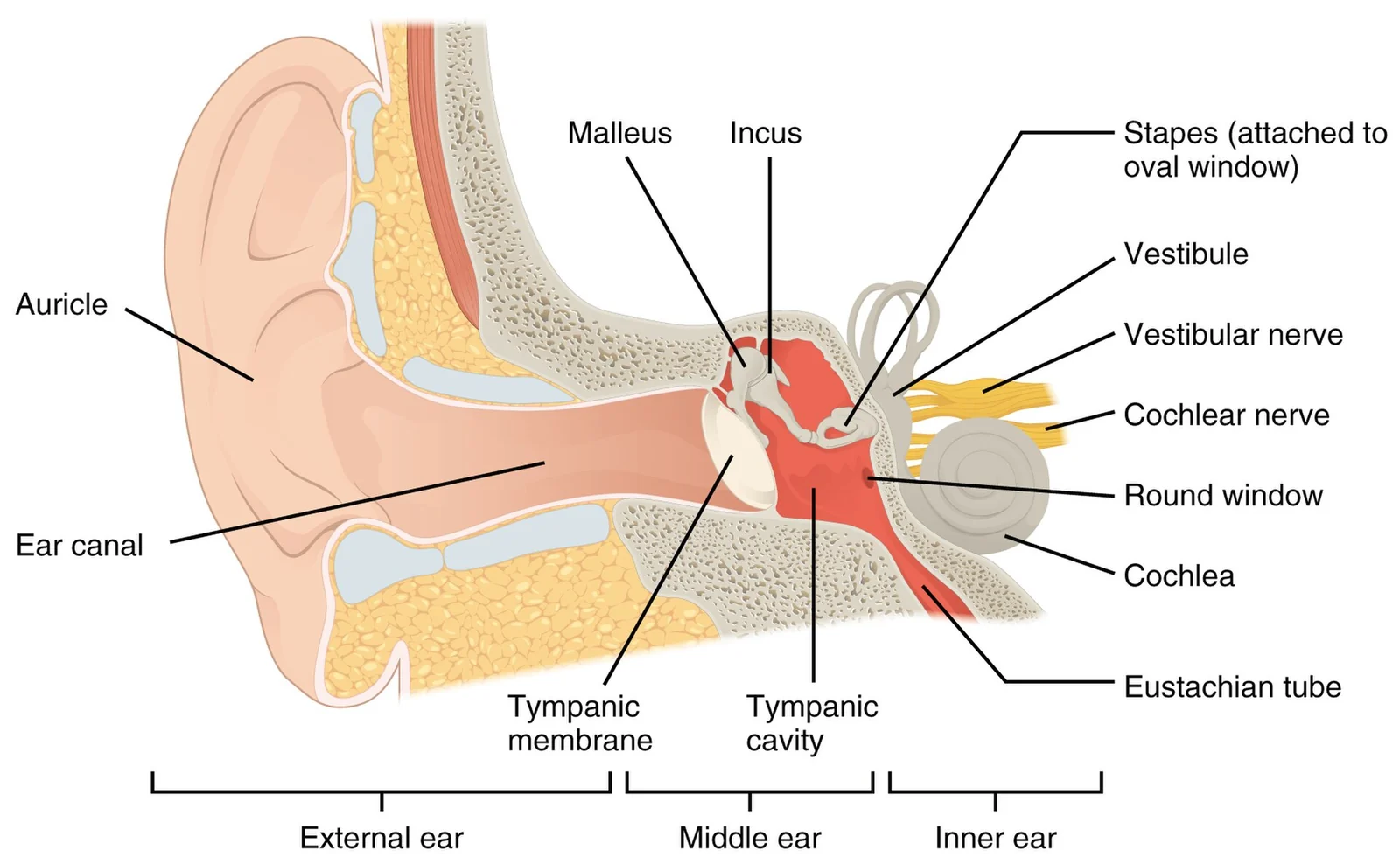
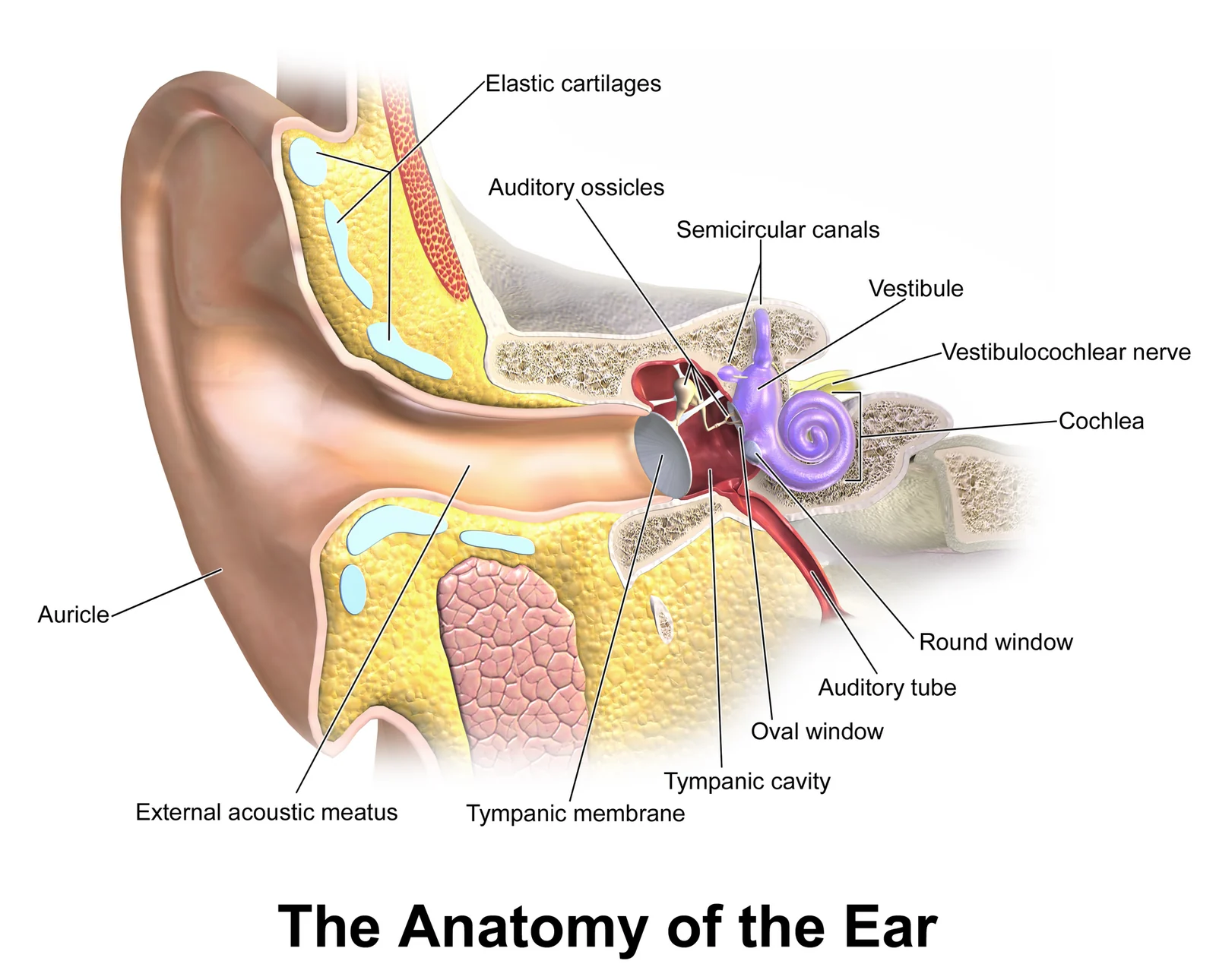
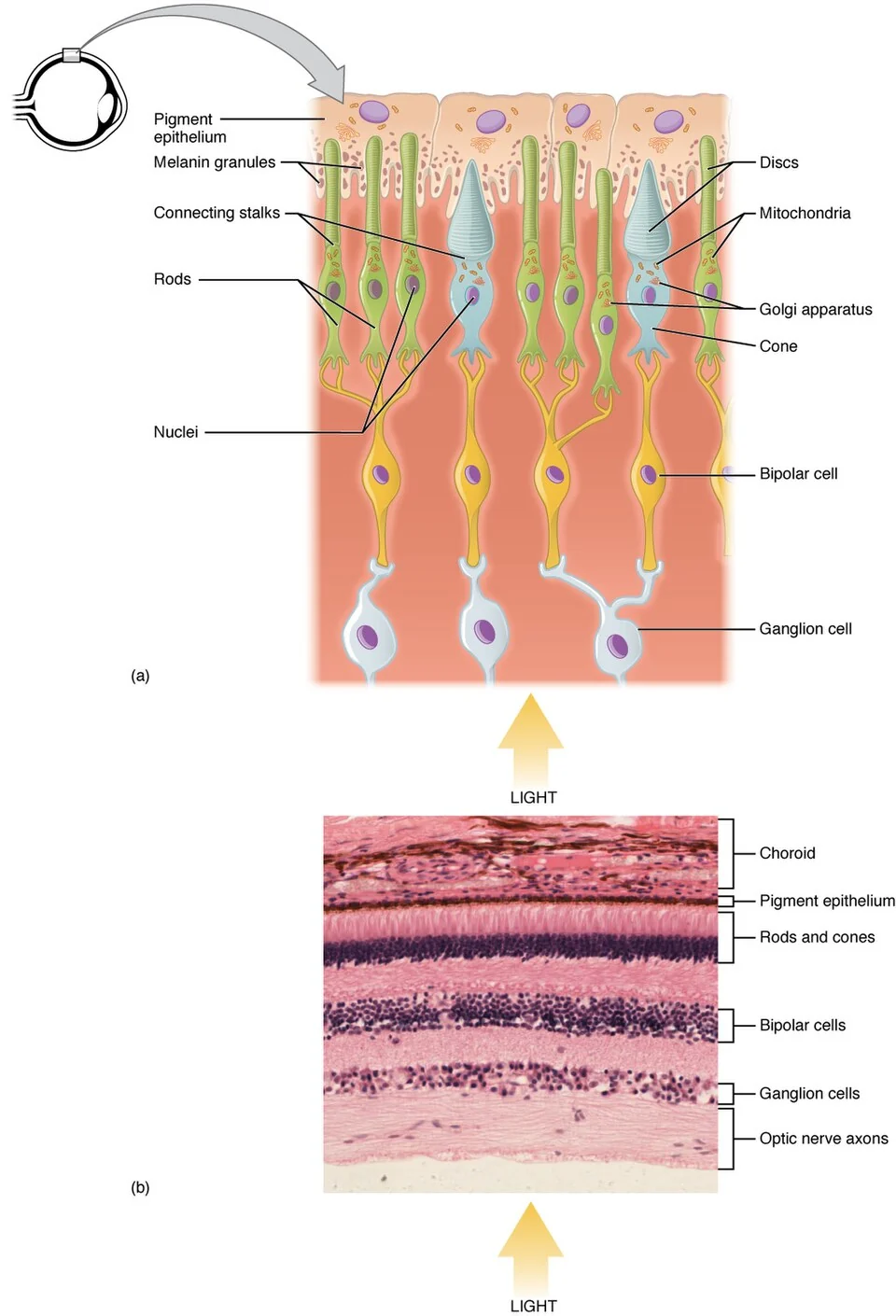
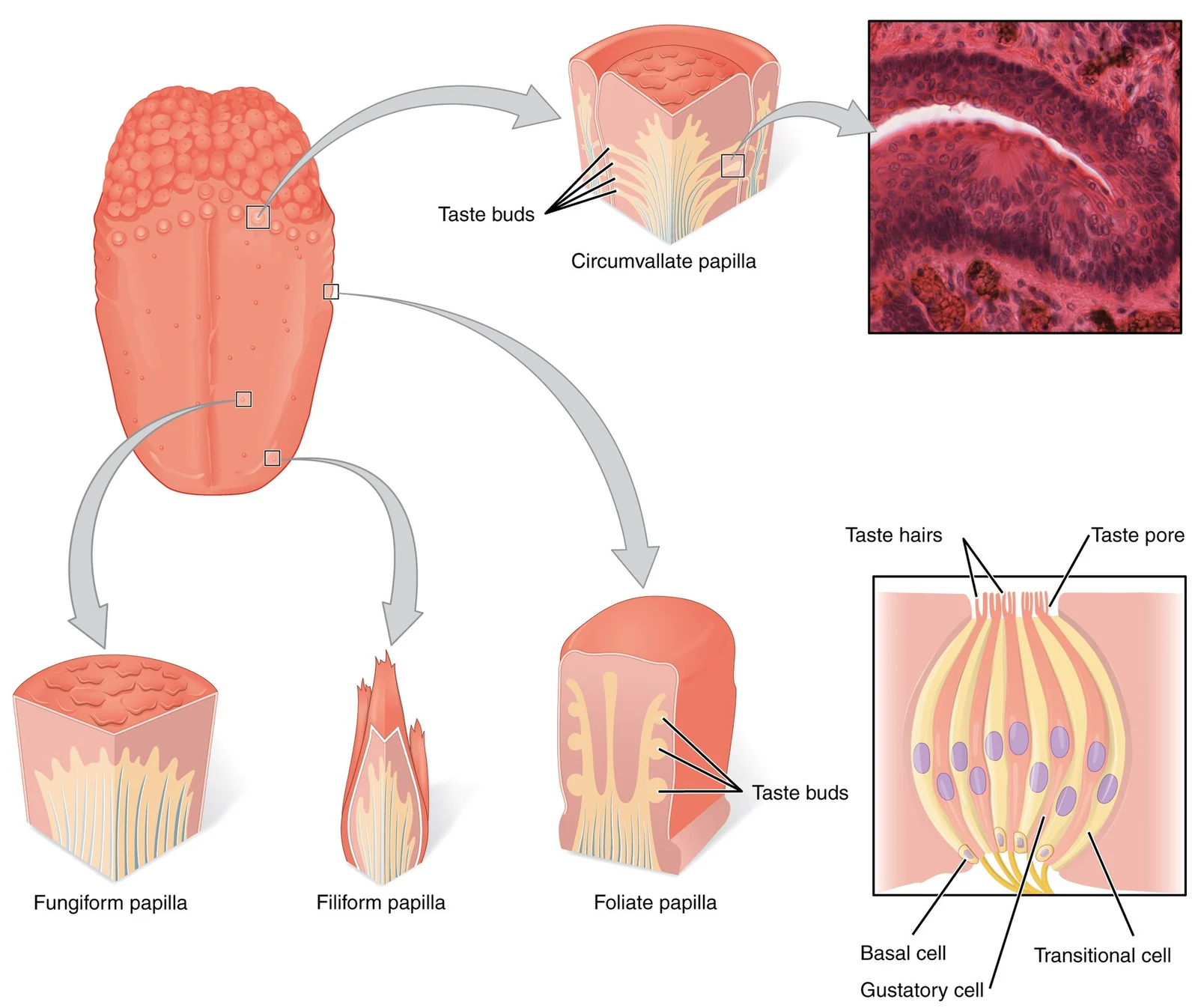
Layers and chambers of the eye, the retina, the eye muscles, the outer, middle and inner ear, and taste buds. 88 parts.
Endocrine glands
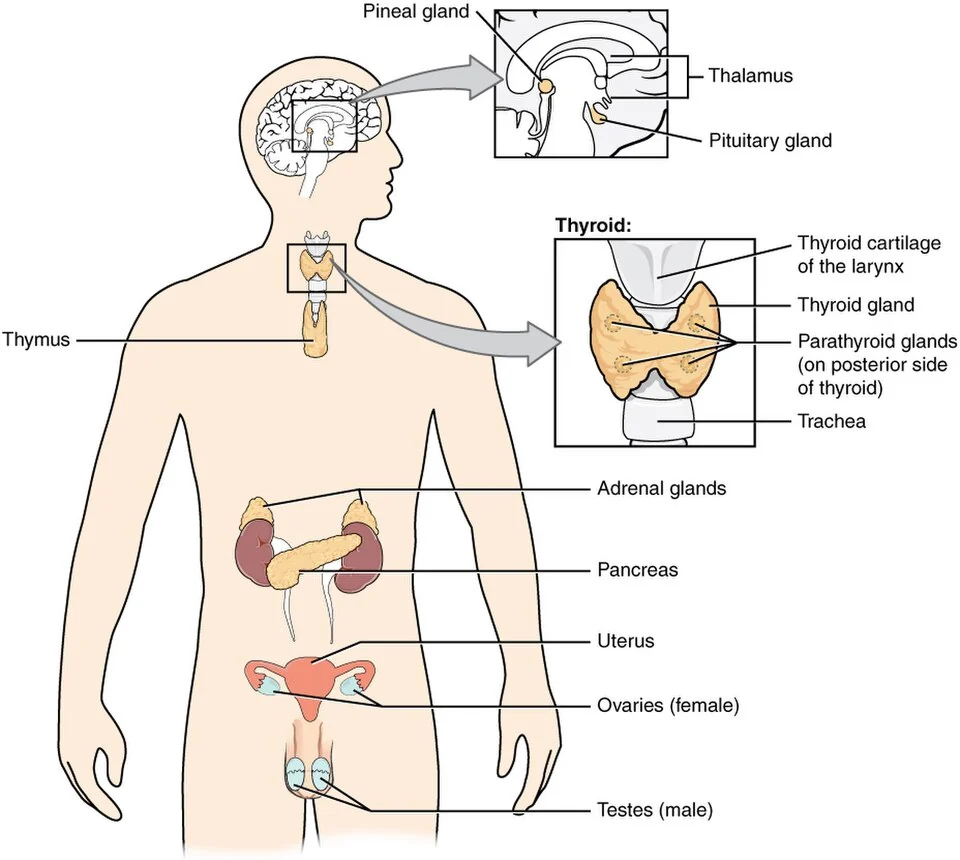
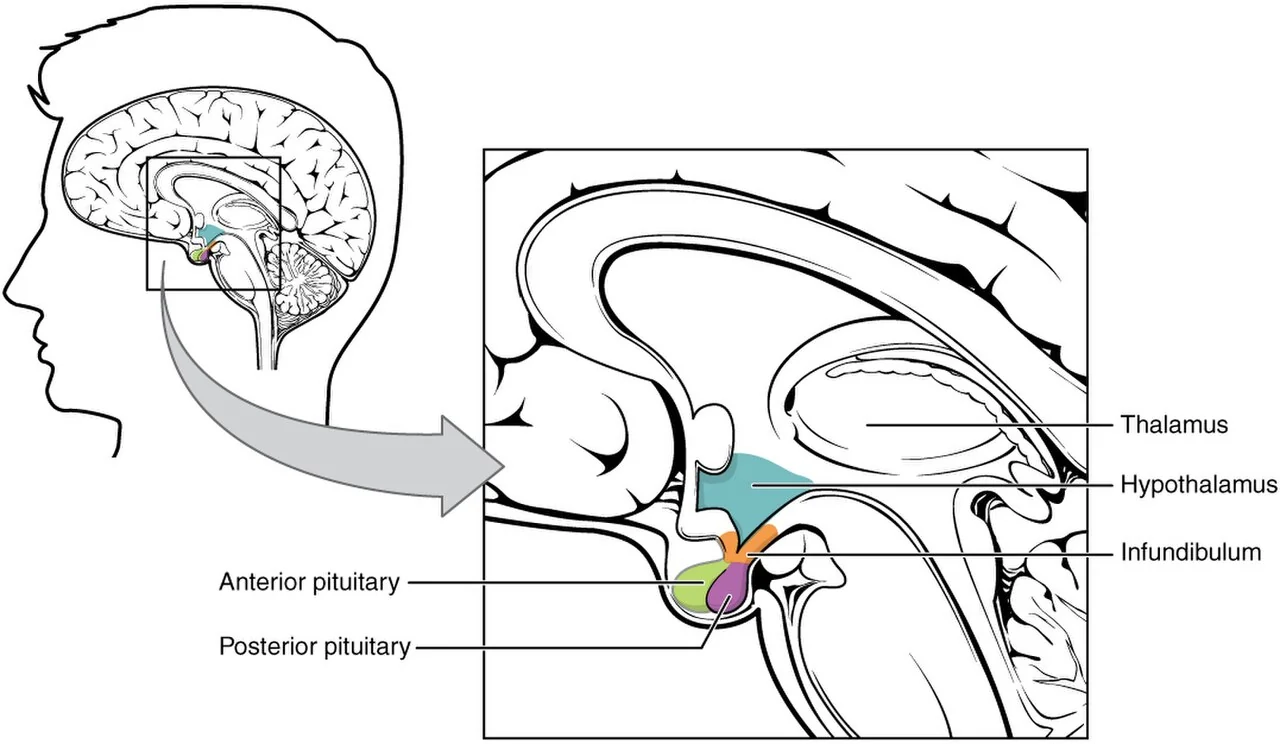
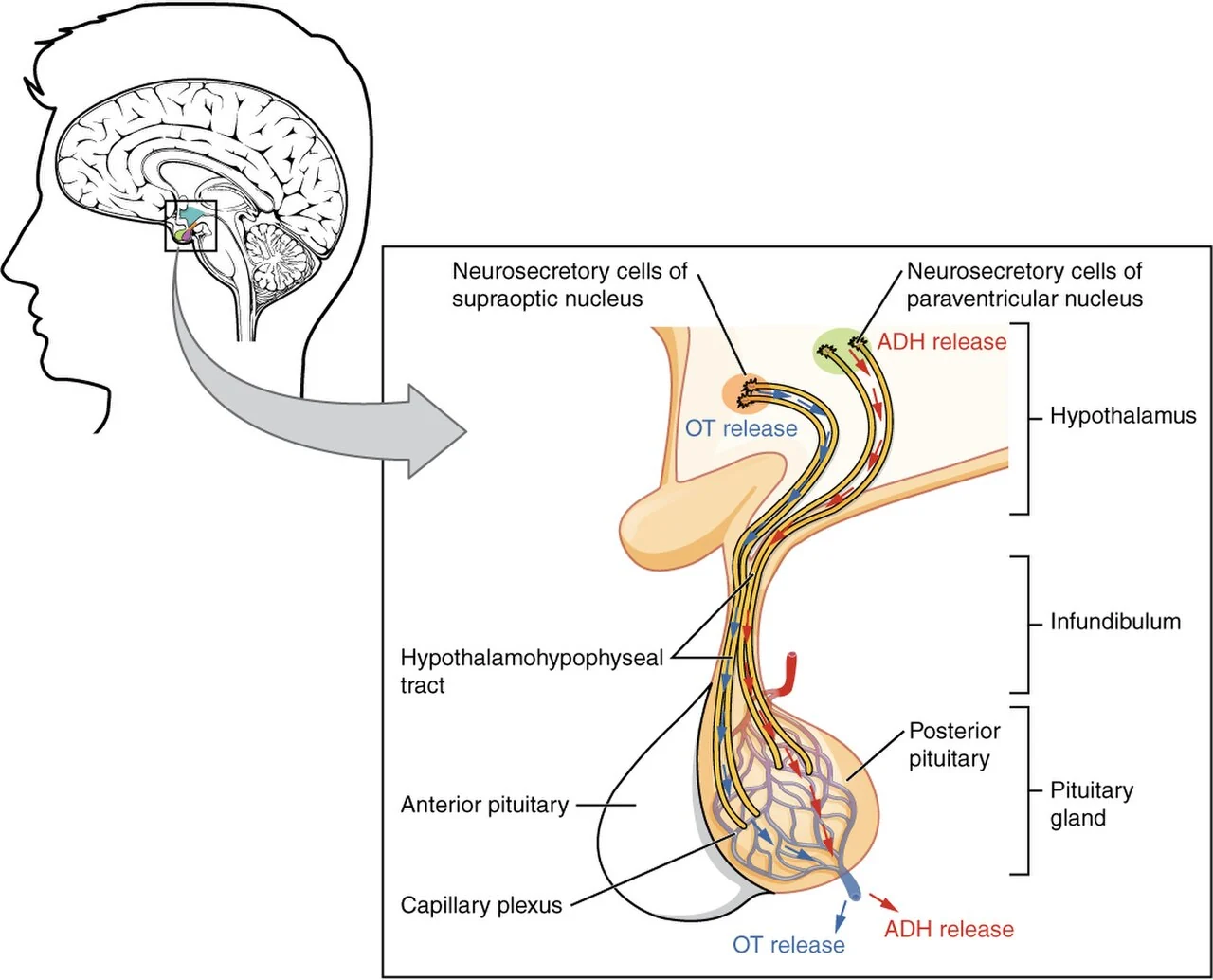
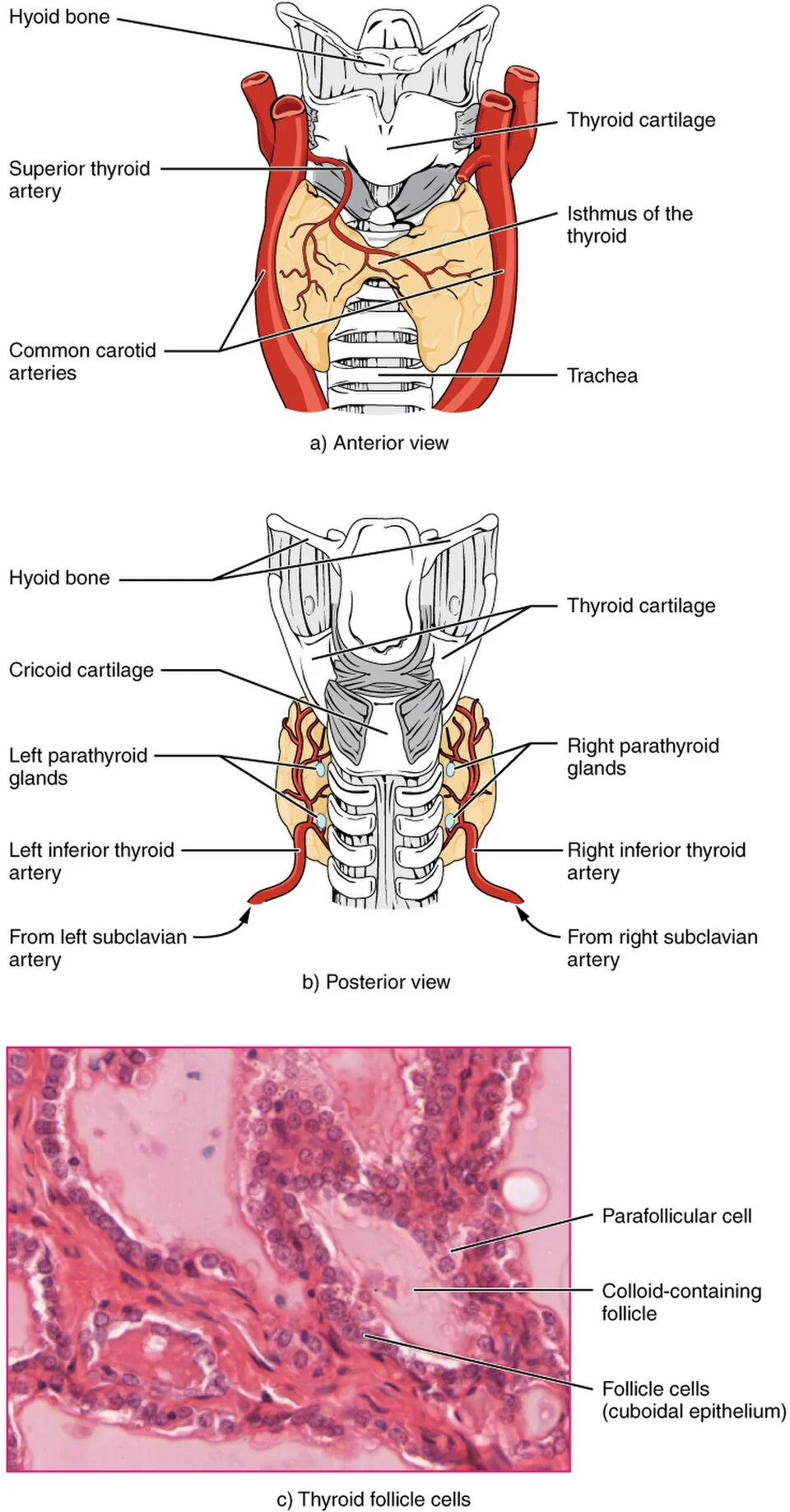
The glands of the body, the hypothalamus and pituitary, and the thyroid. 41 parts.
The heart
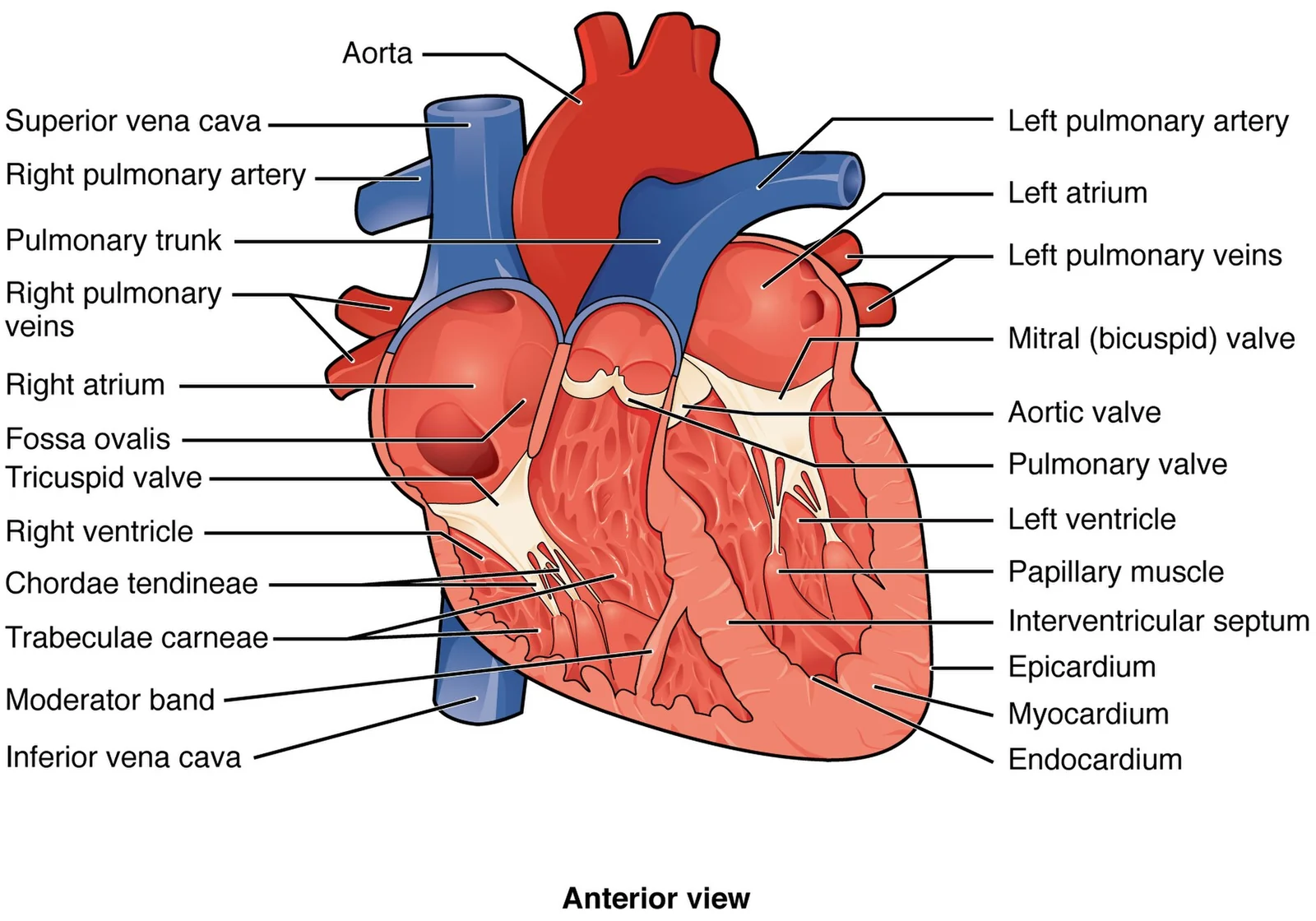
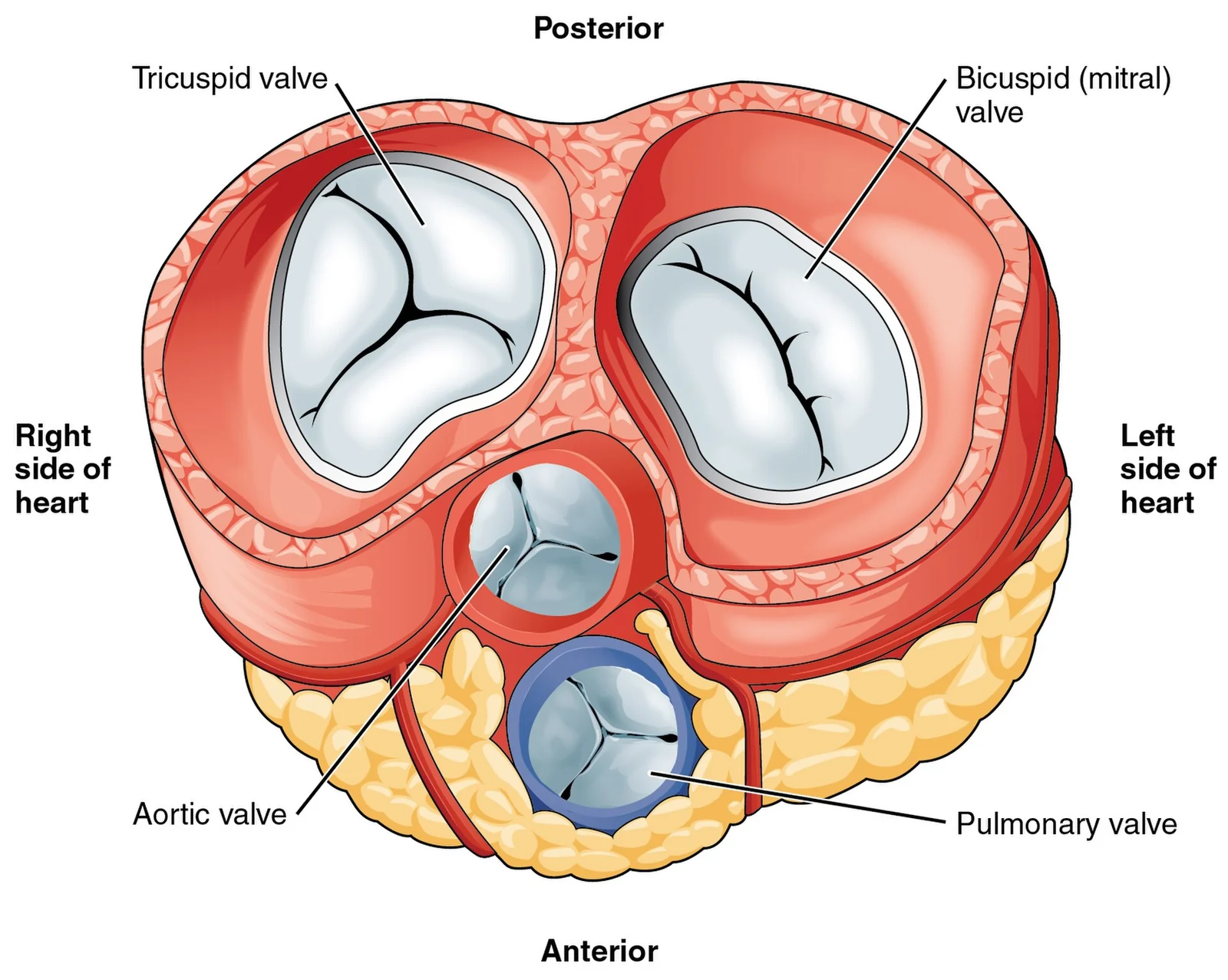
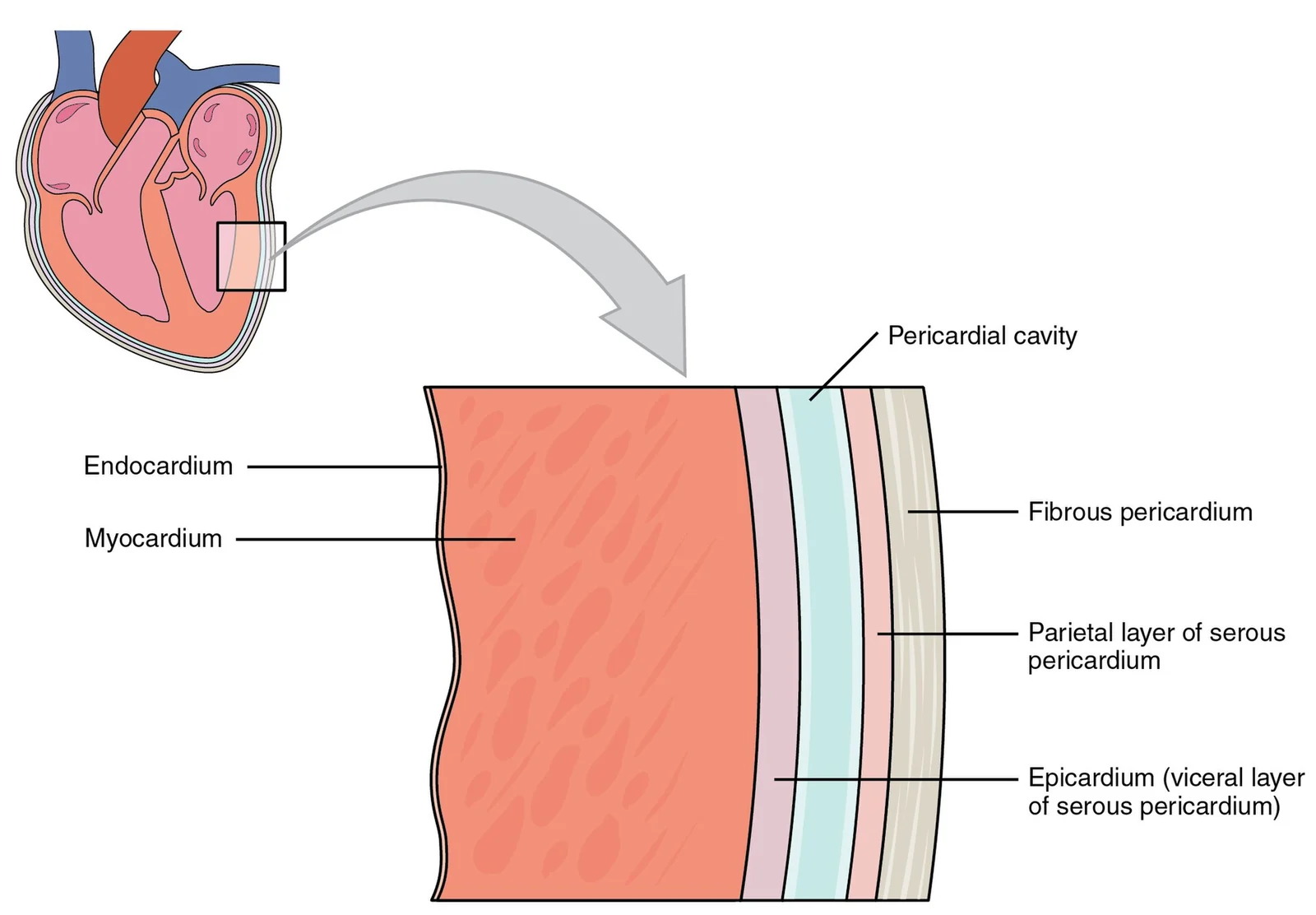
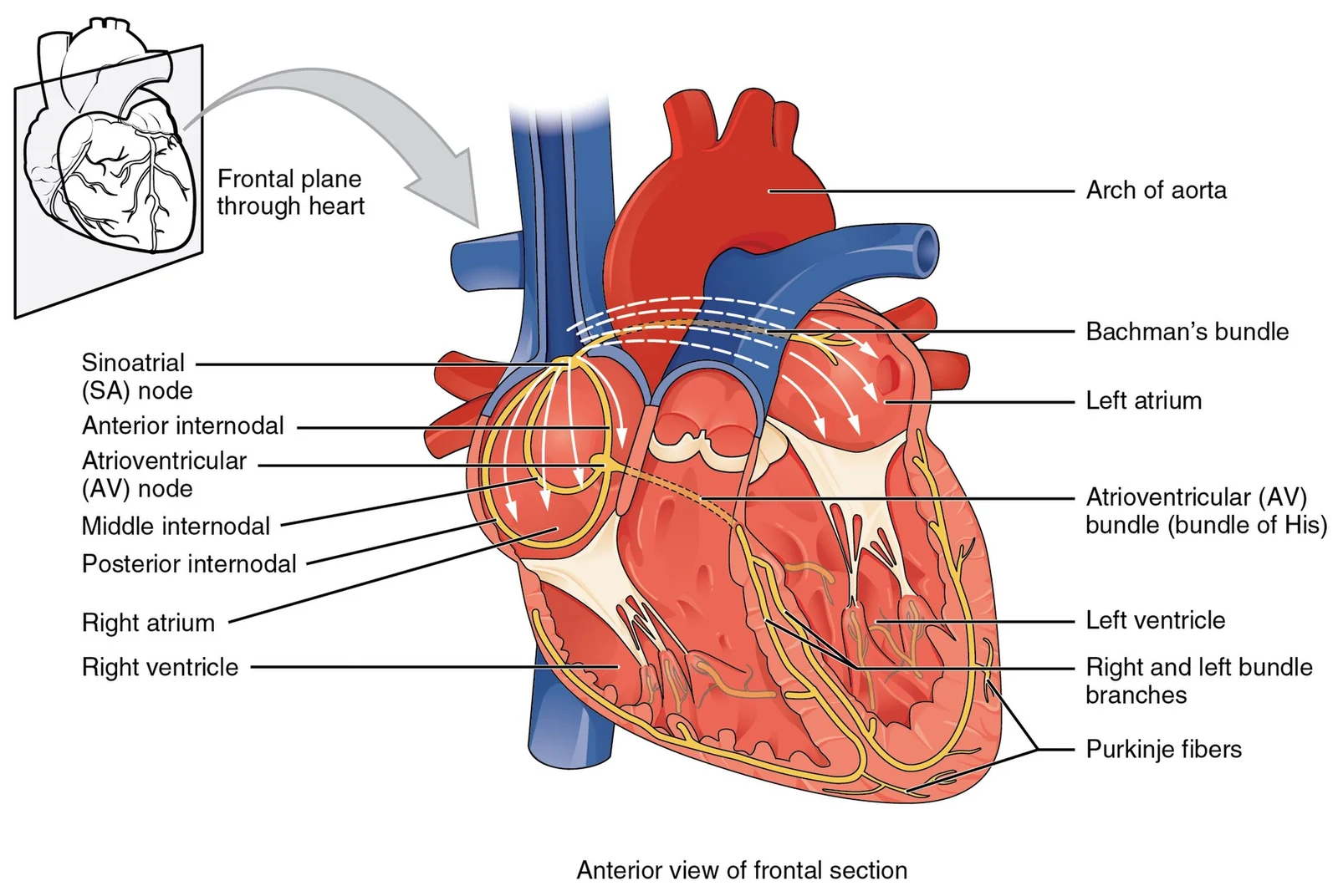
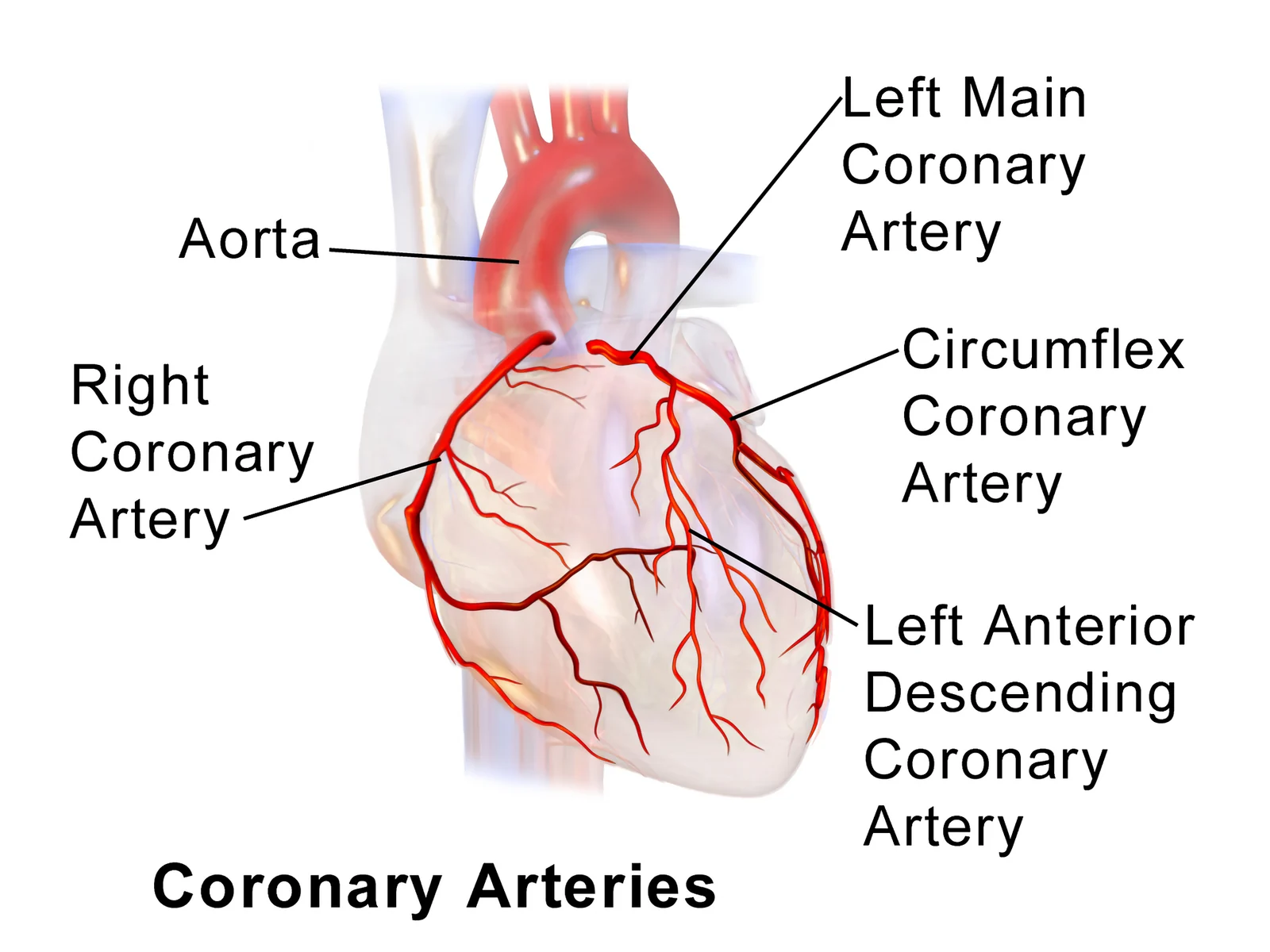
Chambers, valves, great vessels, the heart wall and its wiring. 54 parts.
Blood and blood vessels
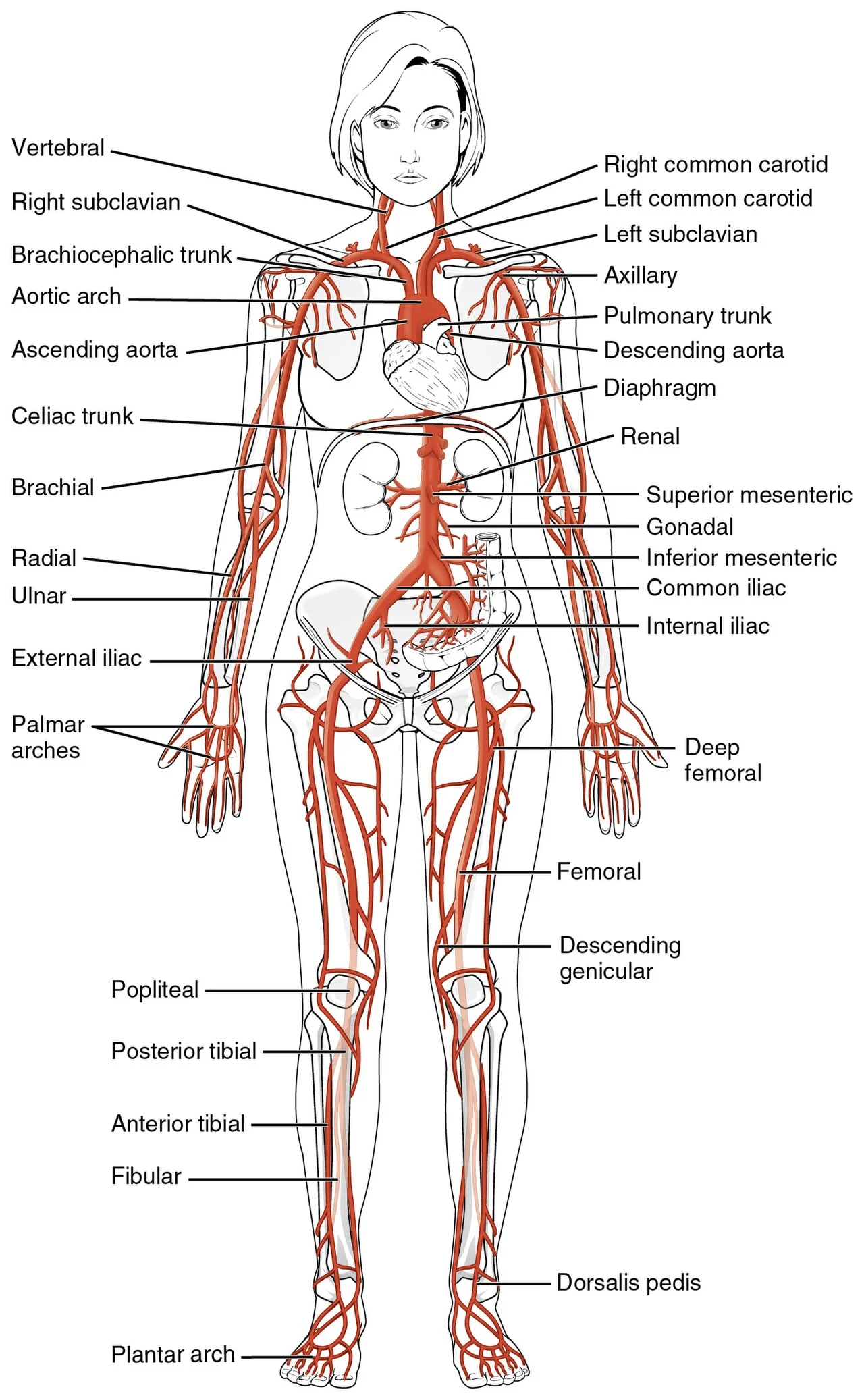
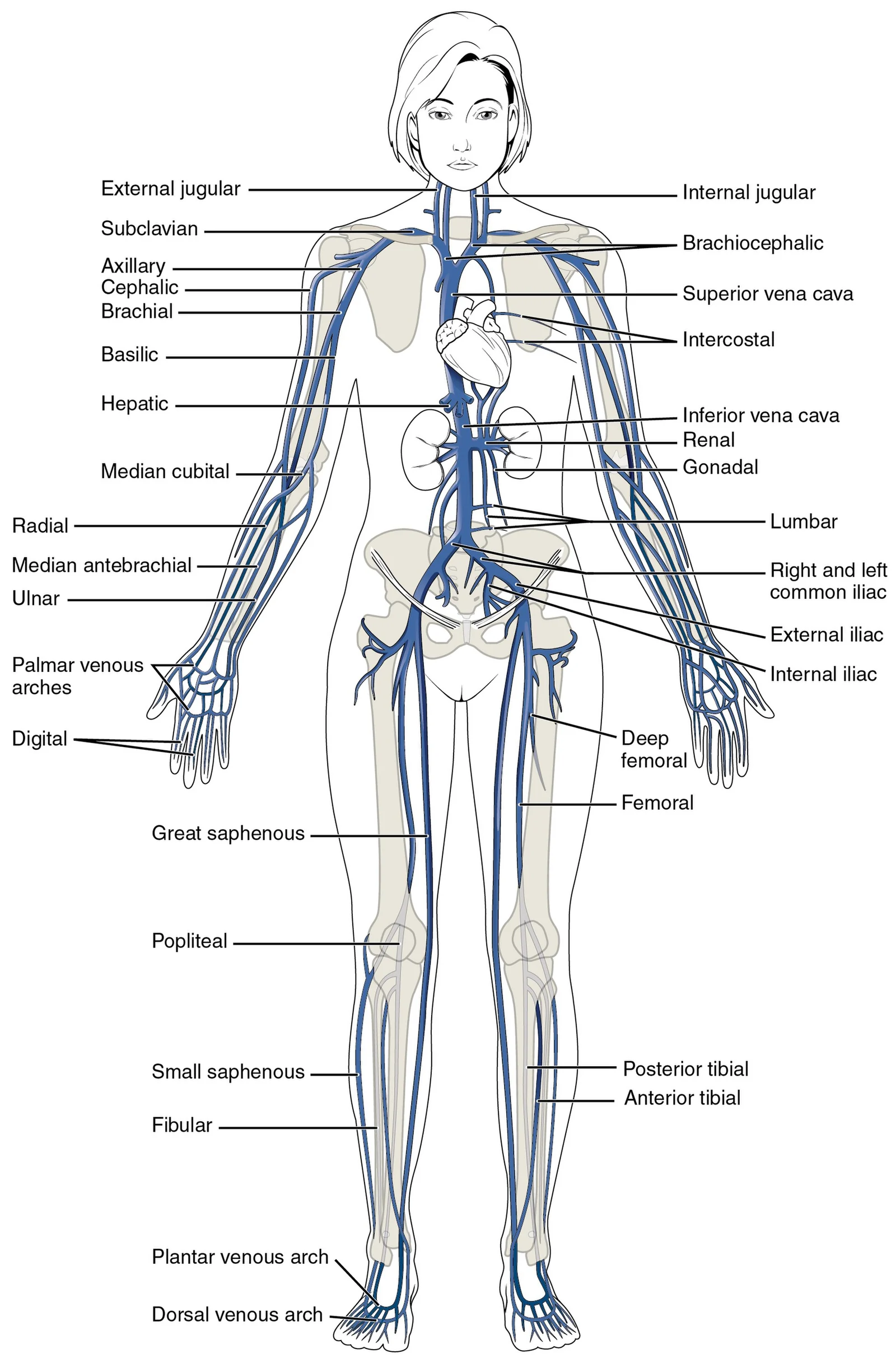
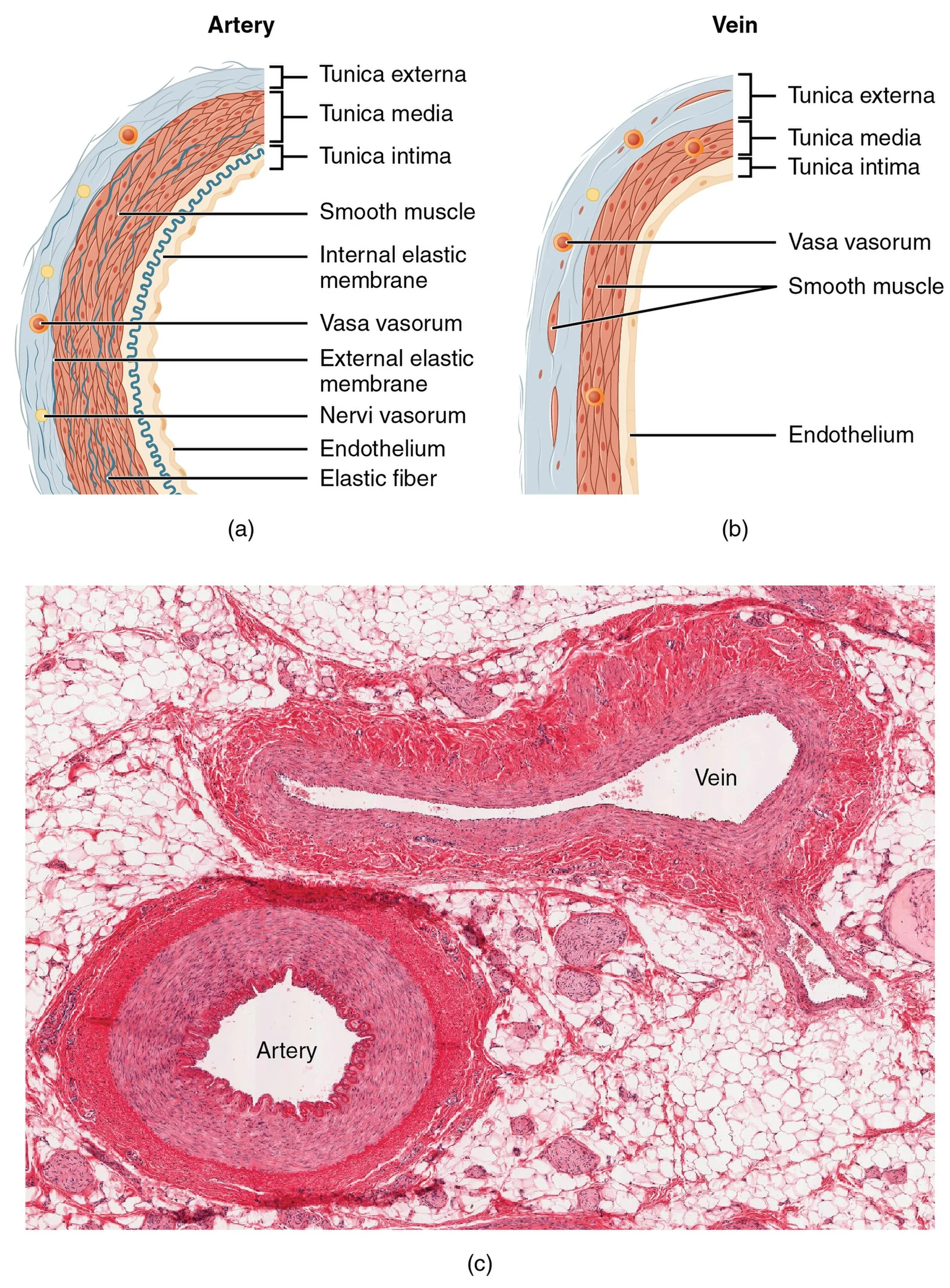
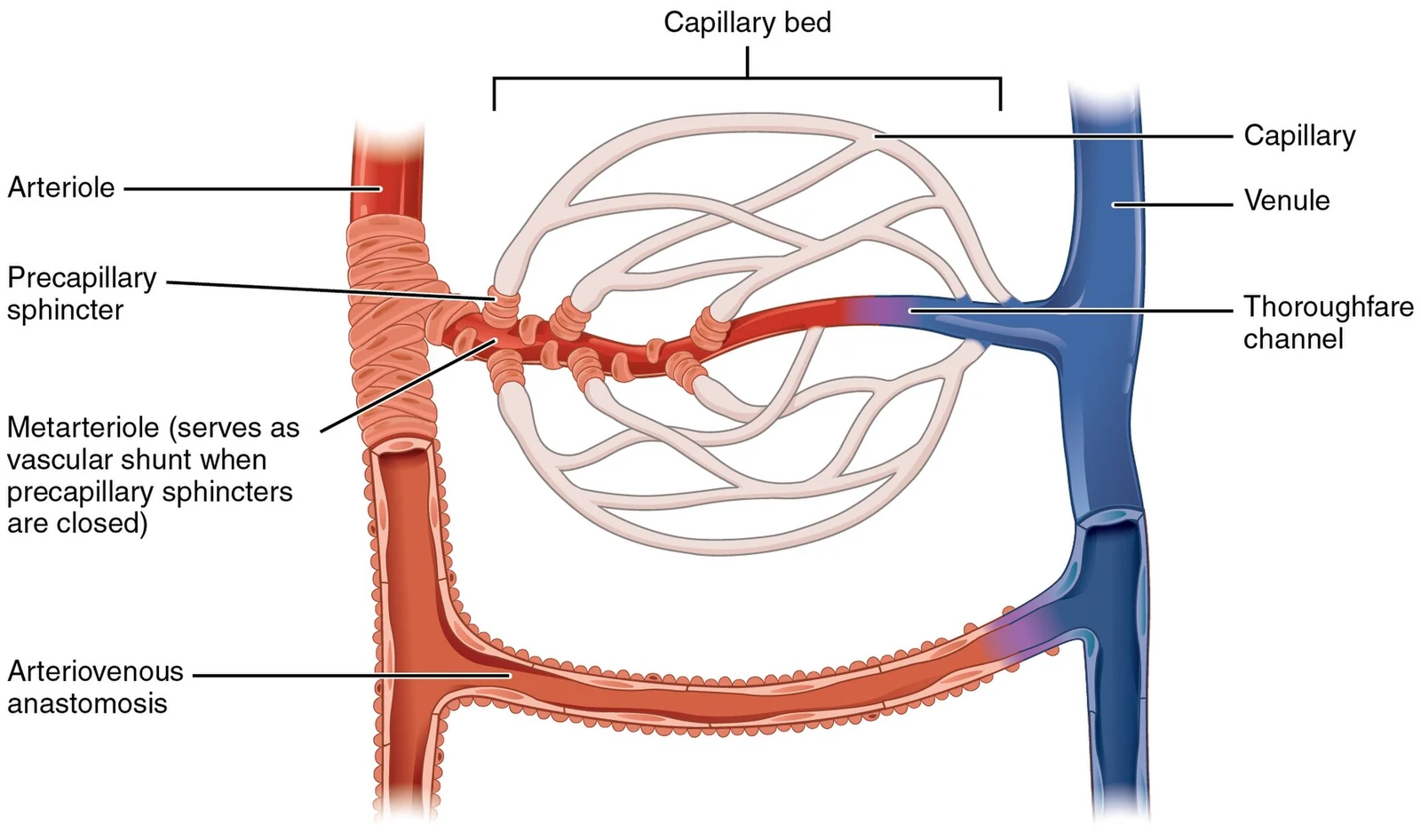
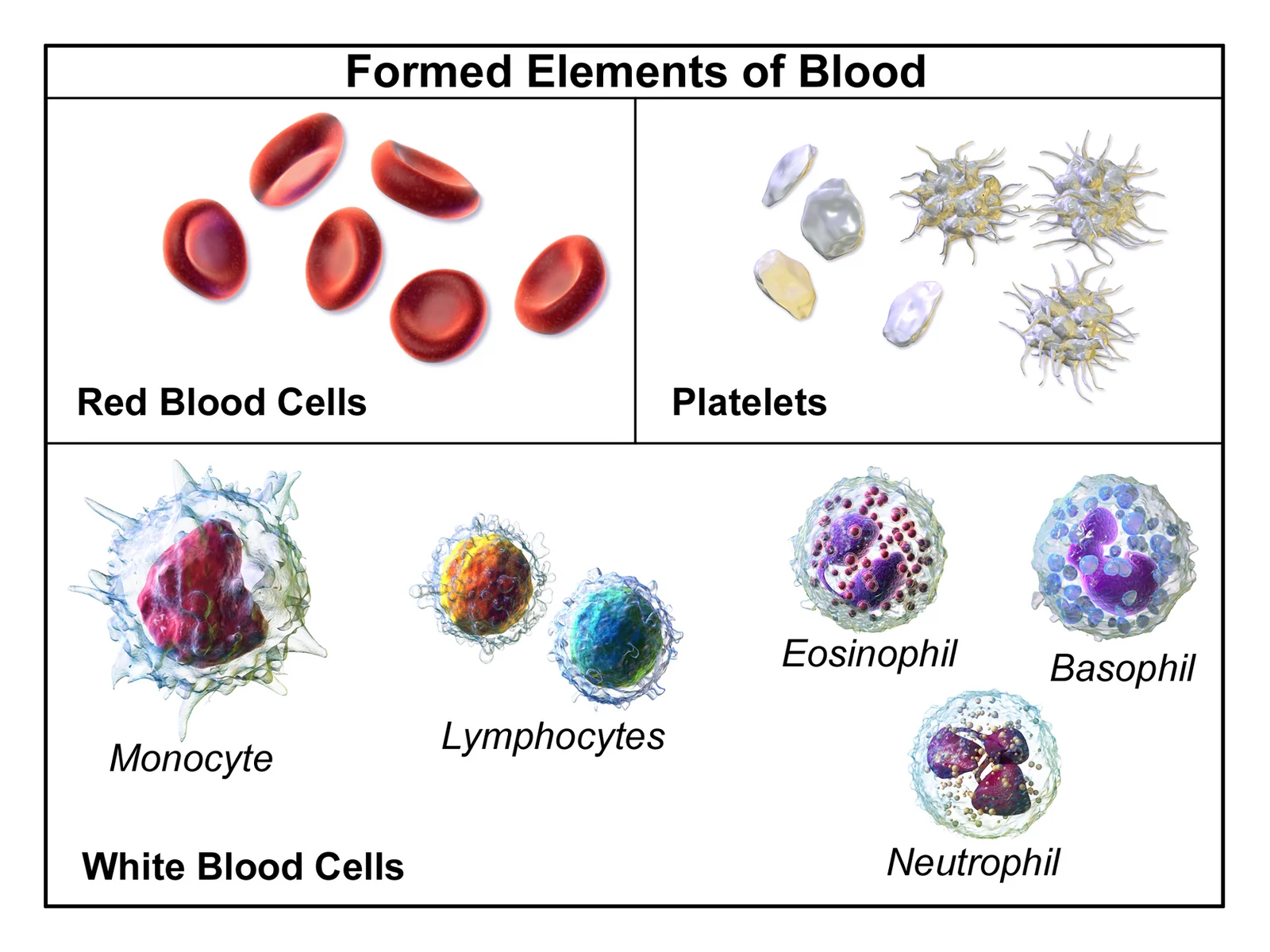
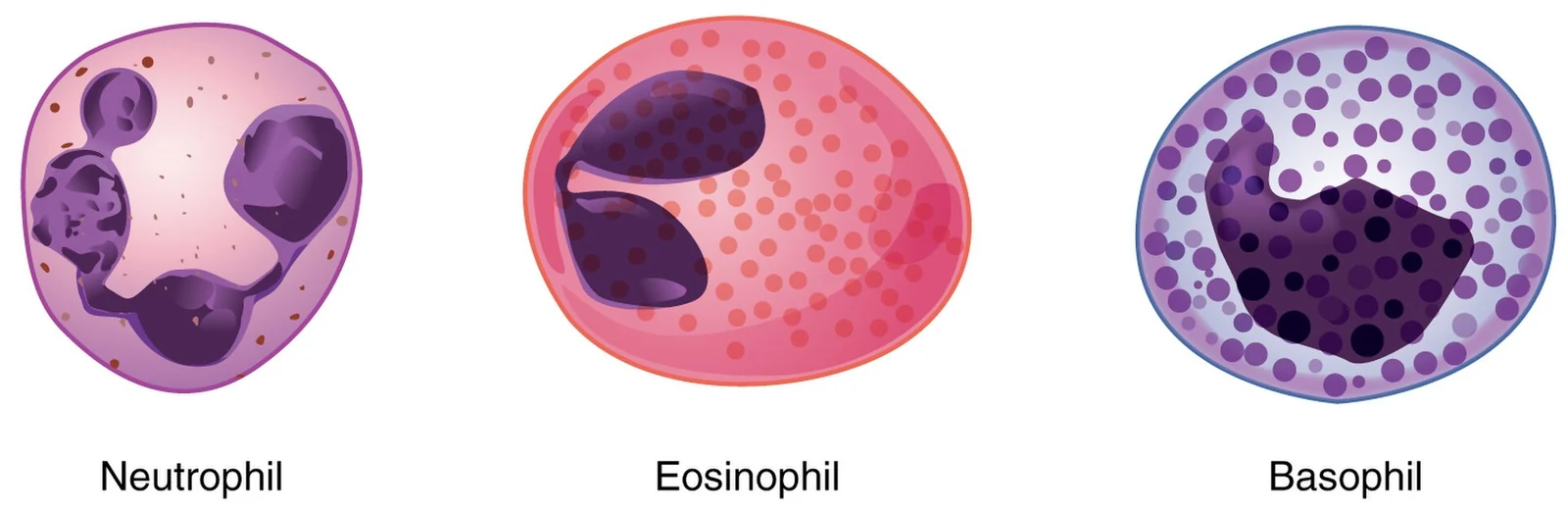
Blood cells, the body's main arteries and veins, the layers of a vessel wall and a capillary bed. 85 parts.
Lymphatic and immune
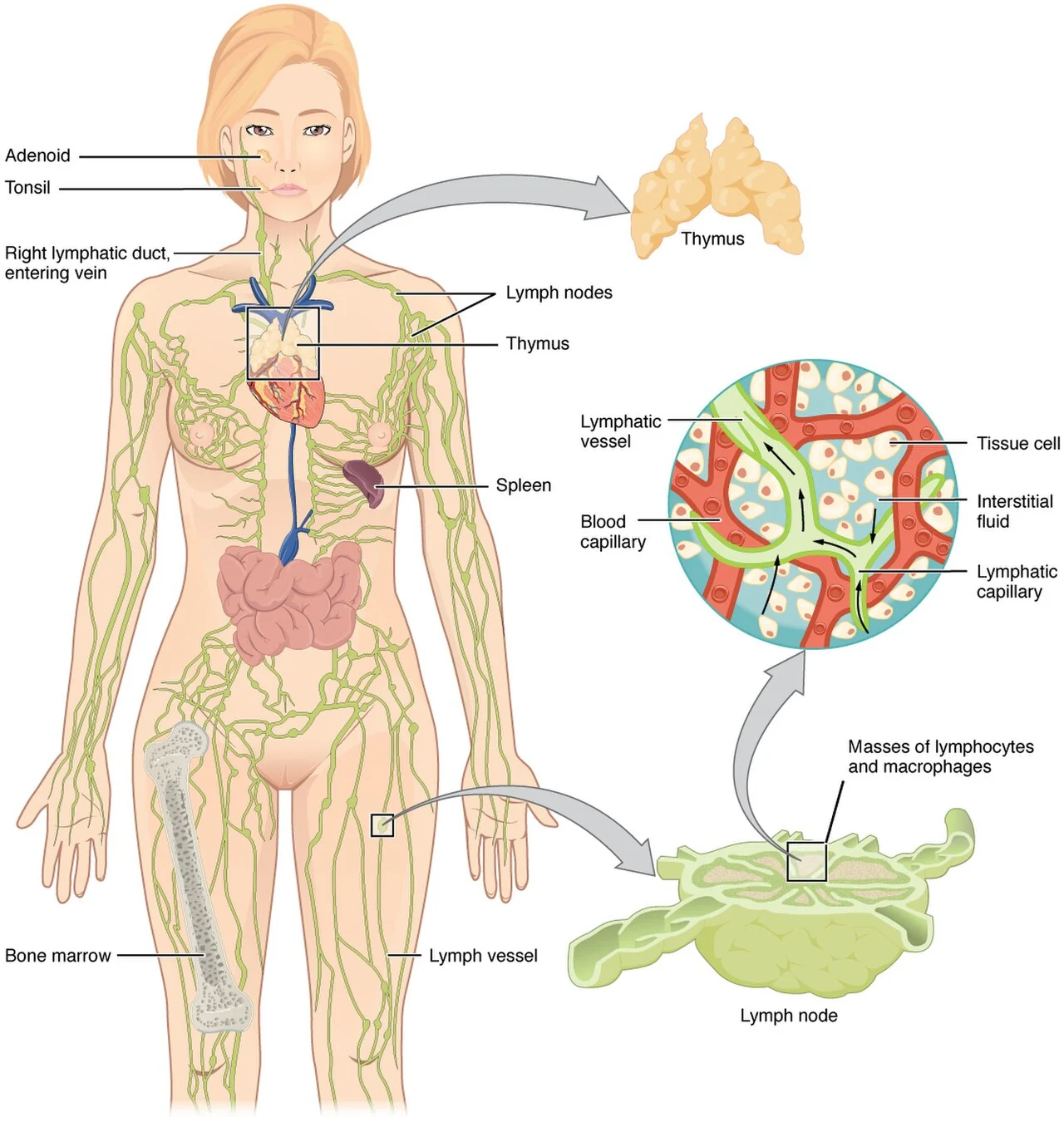
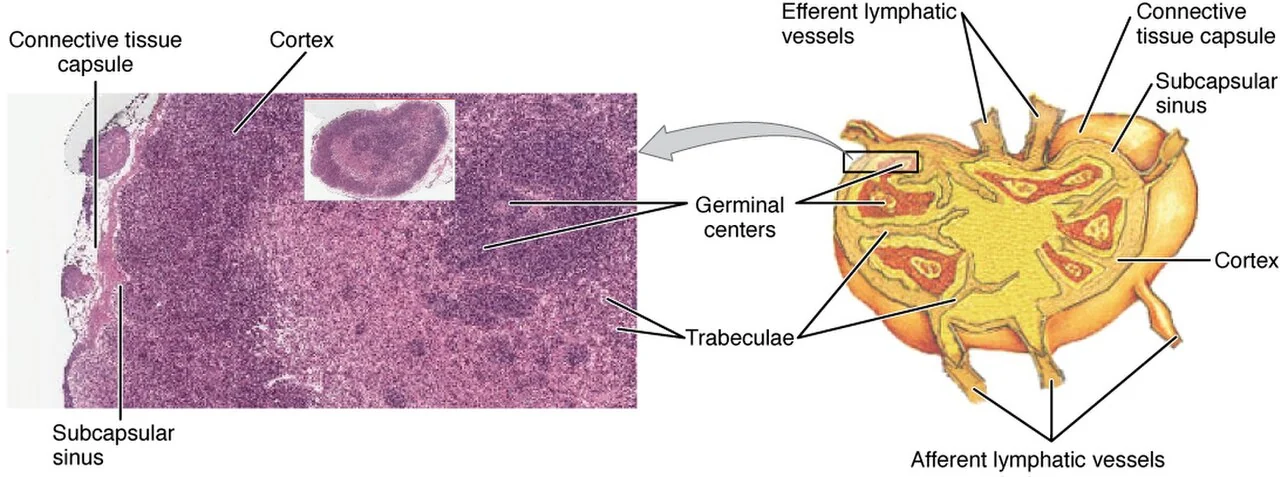
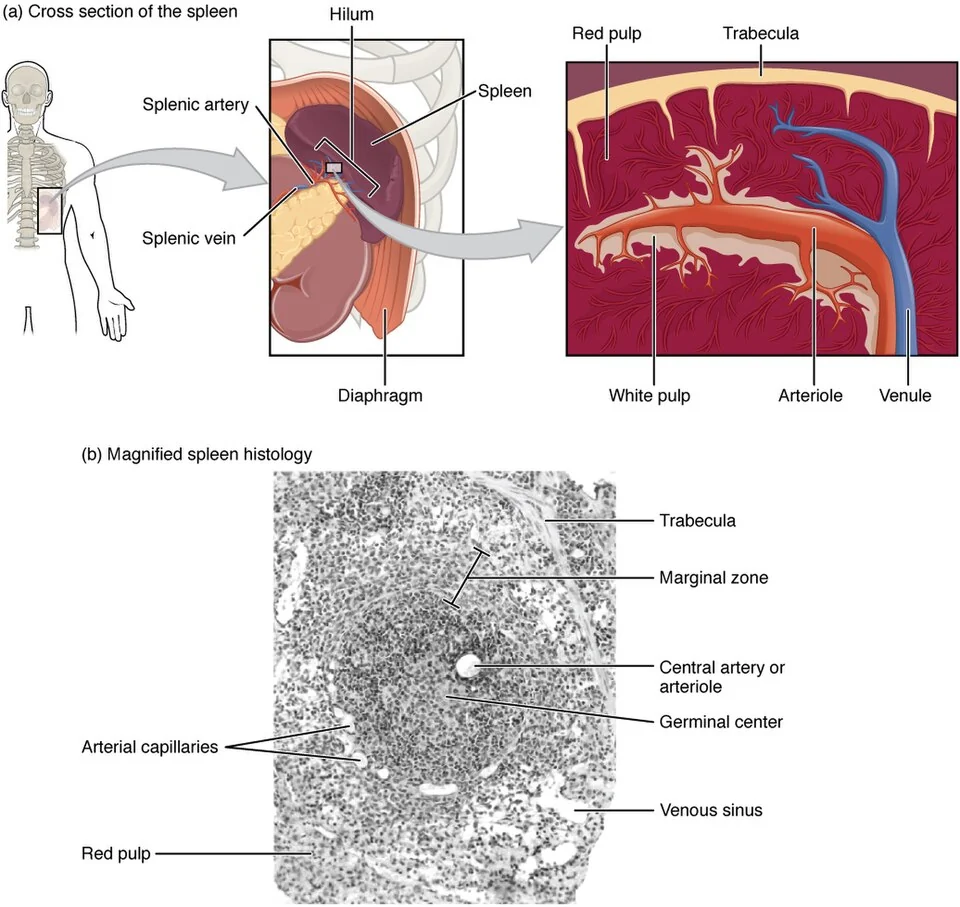
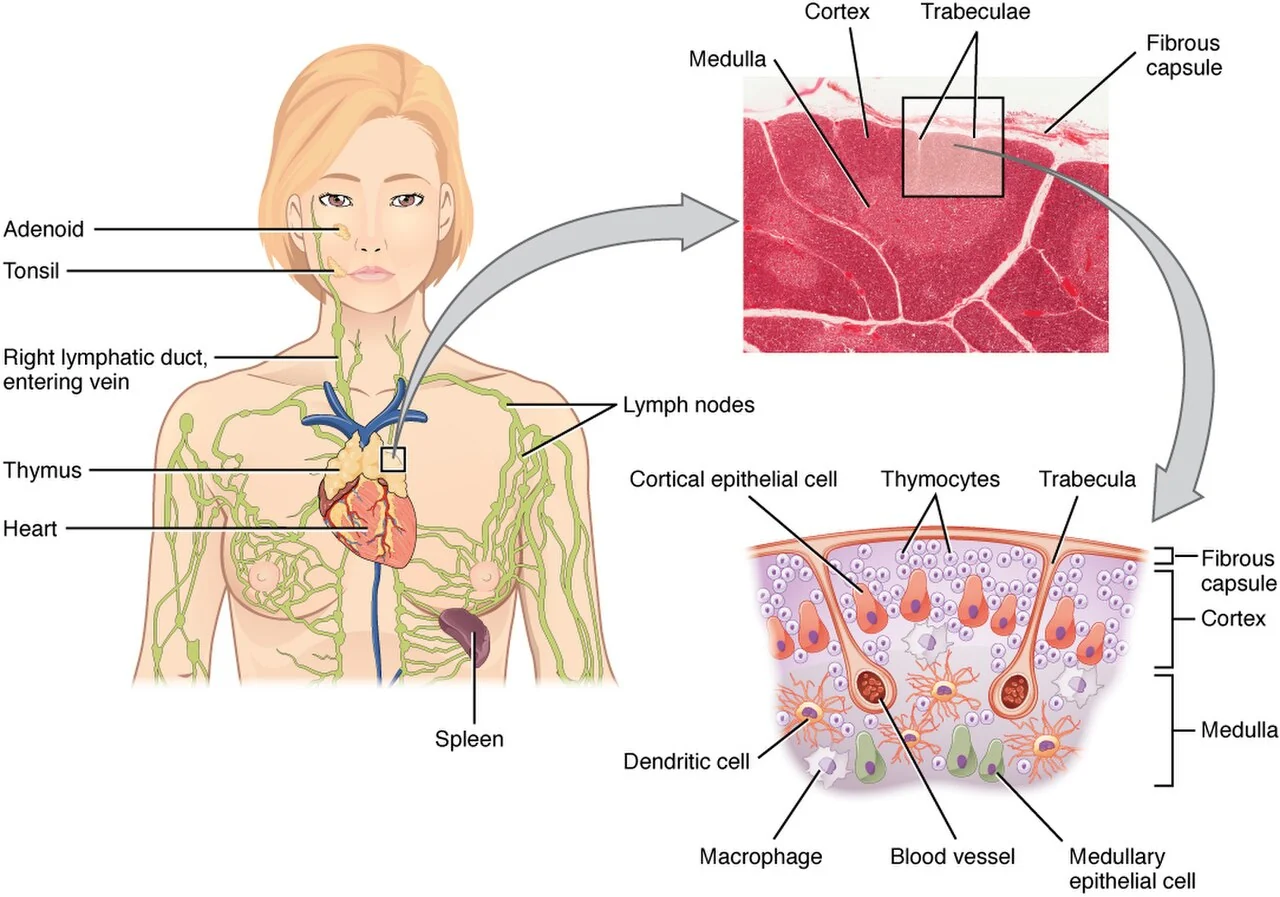
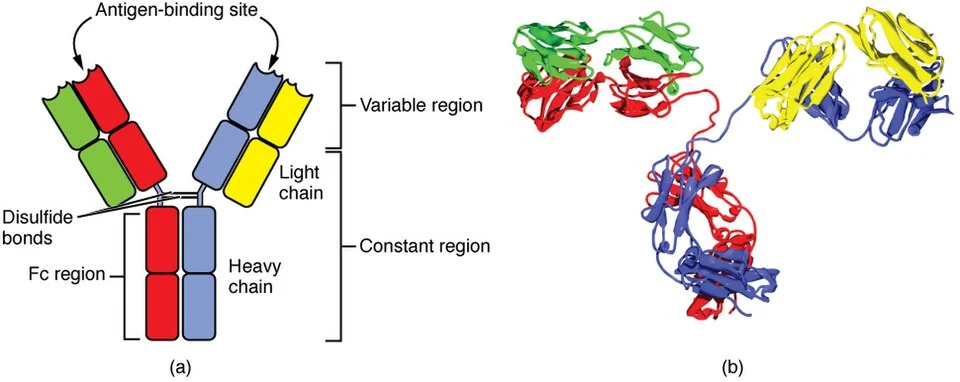
Lymph vessels and organs, the lymph node, spleen and thymus, and an antibody. 58 parts.
Lungs and airway
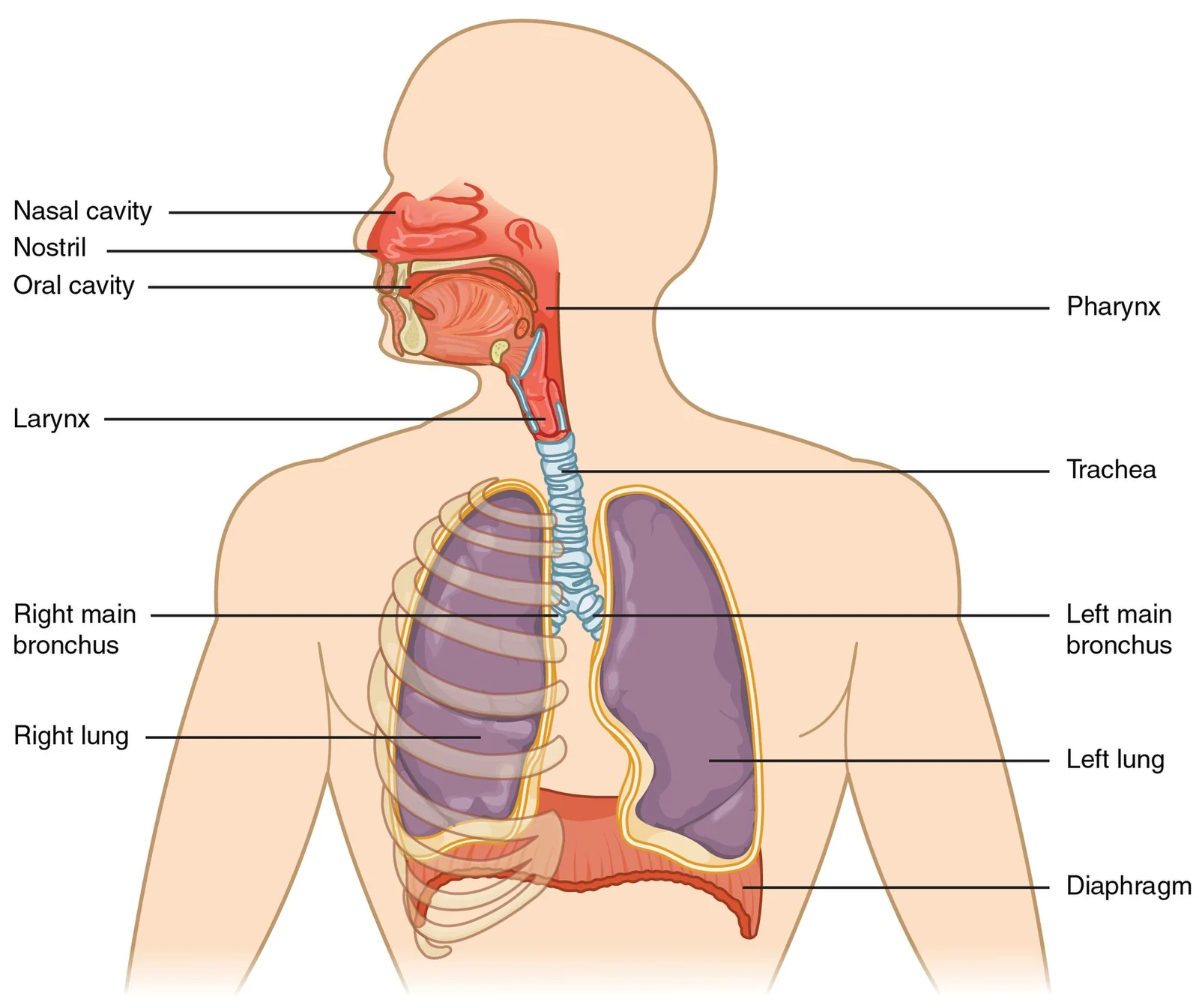
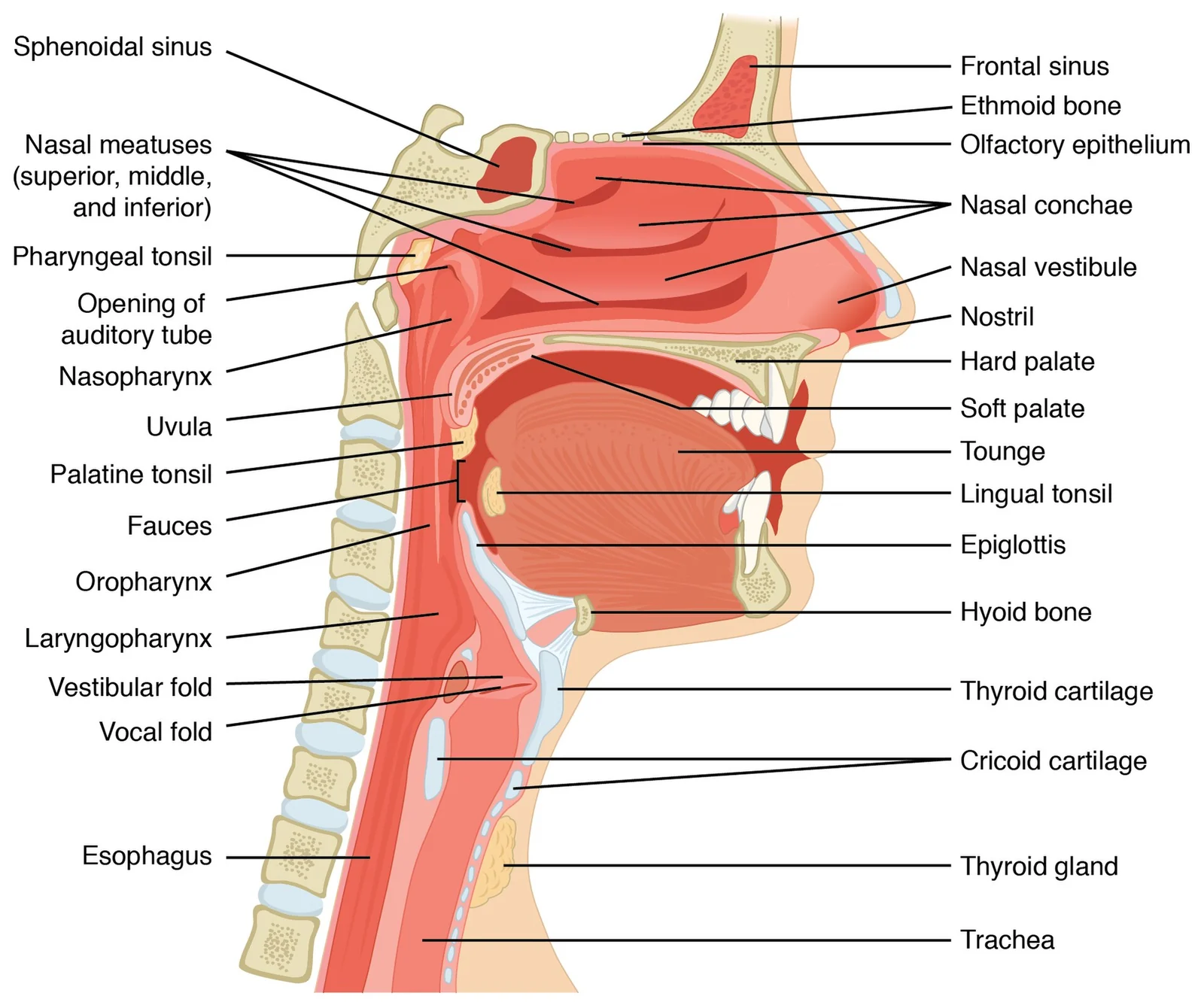
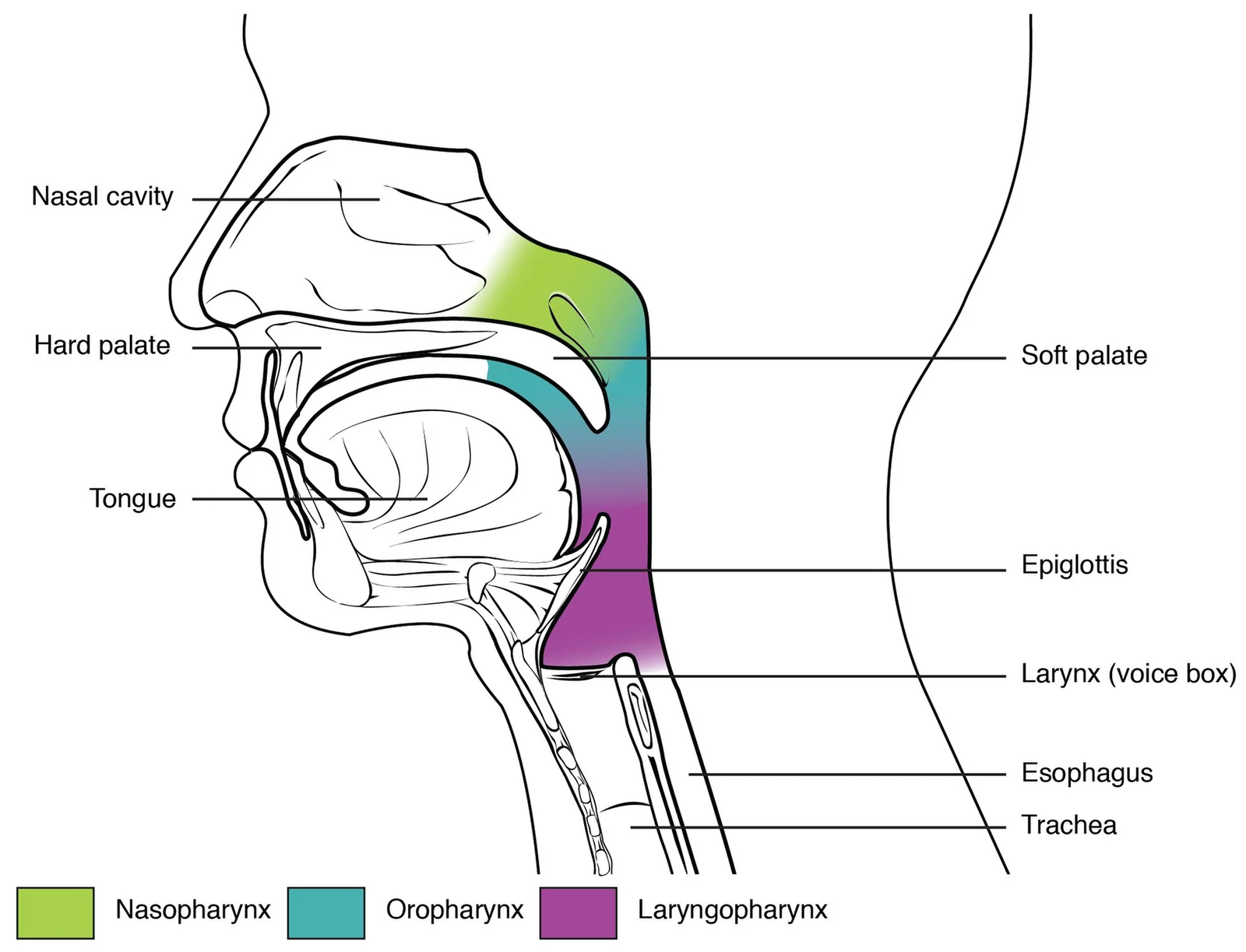
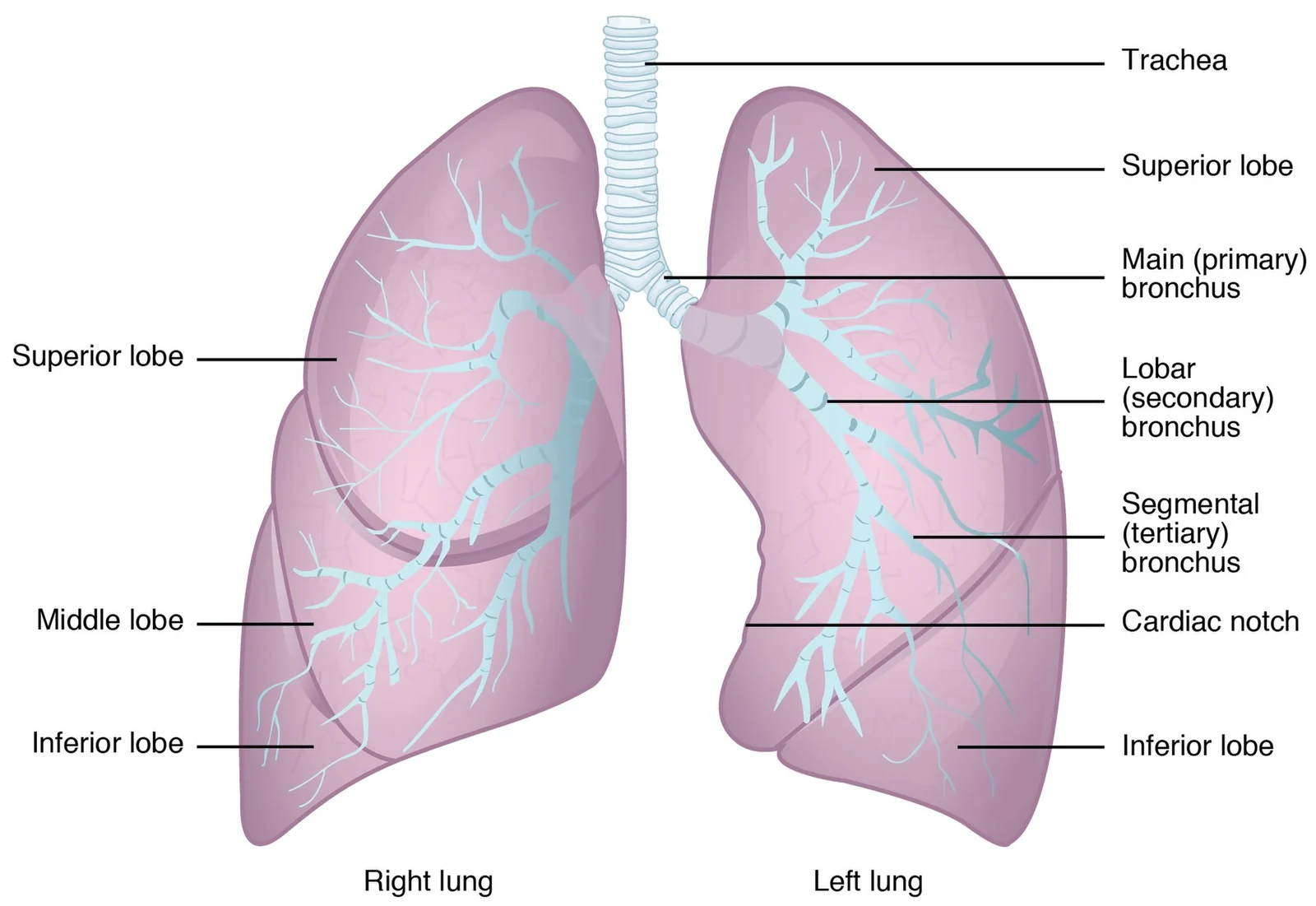
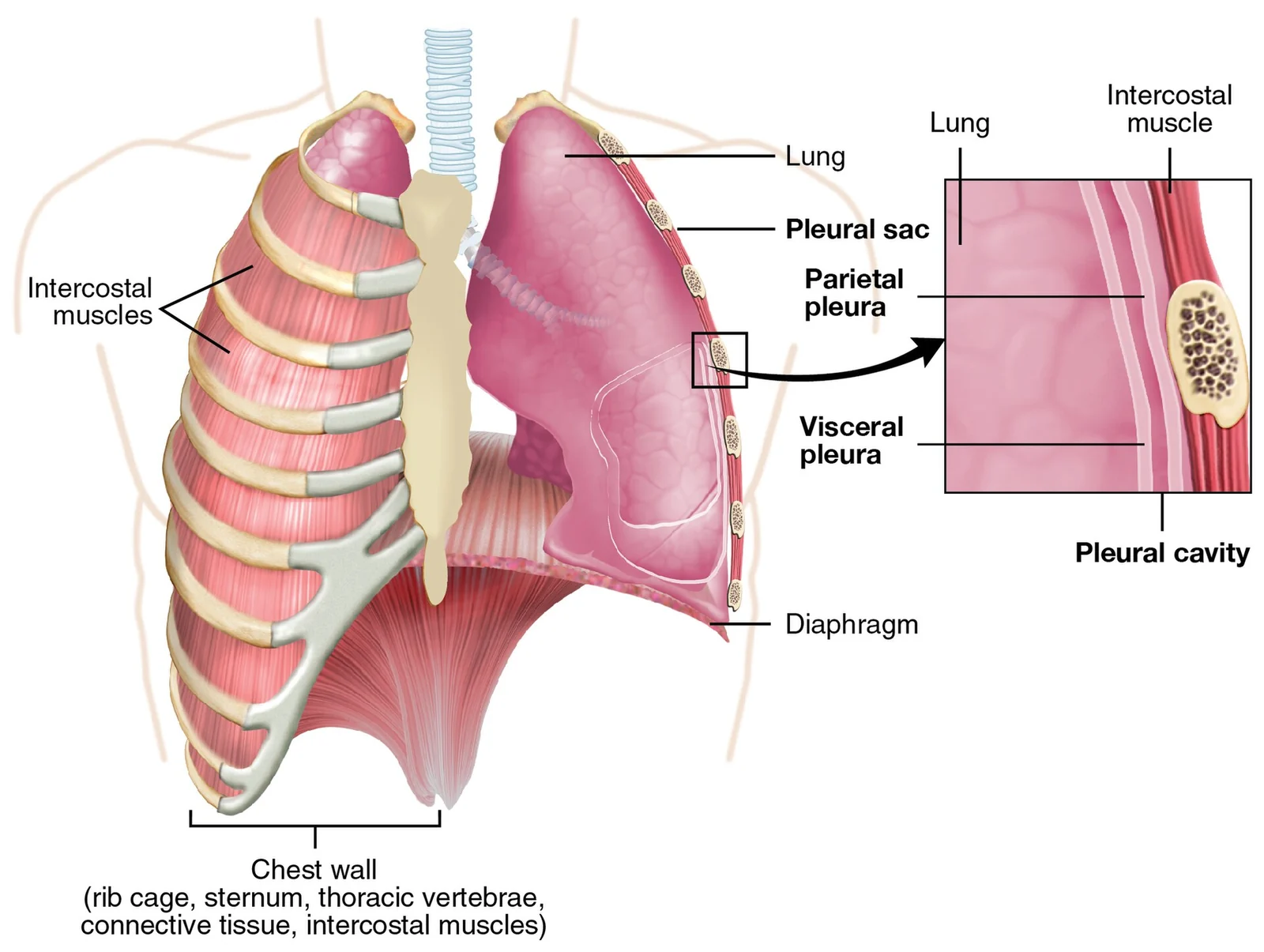
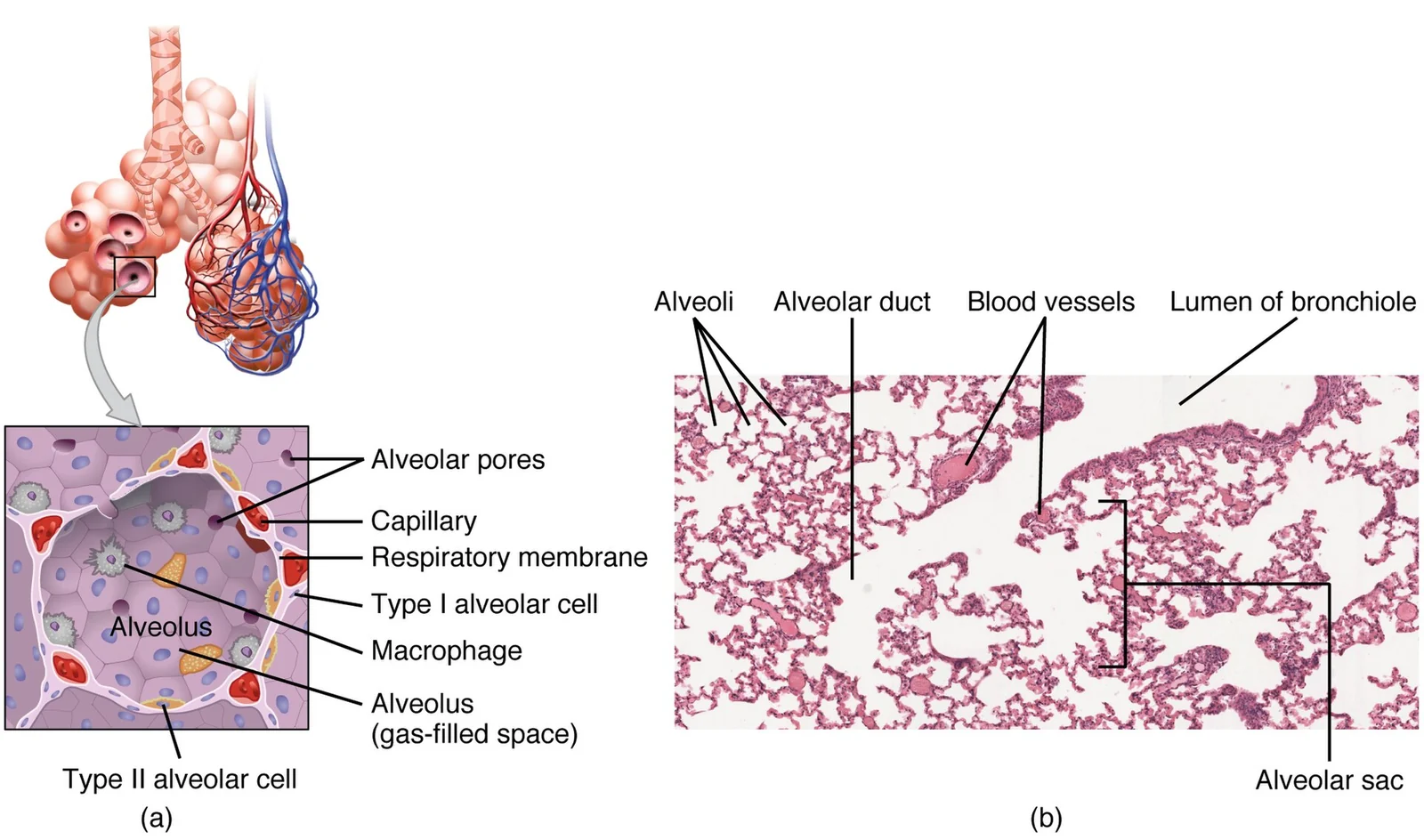
From nostril to alveolus: the nose, throat, larynx, bronchi, lungs and pleura. 73 parts.
Digestive tract
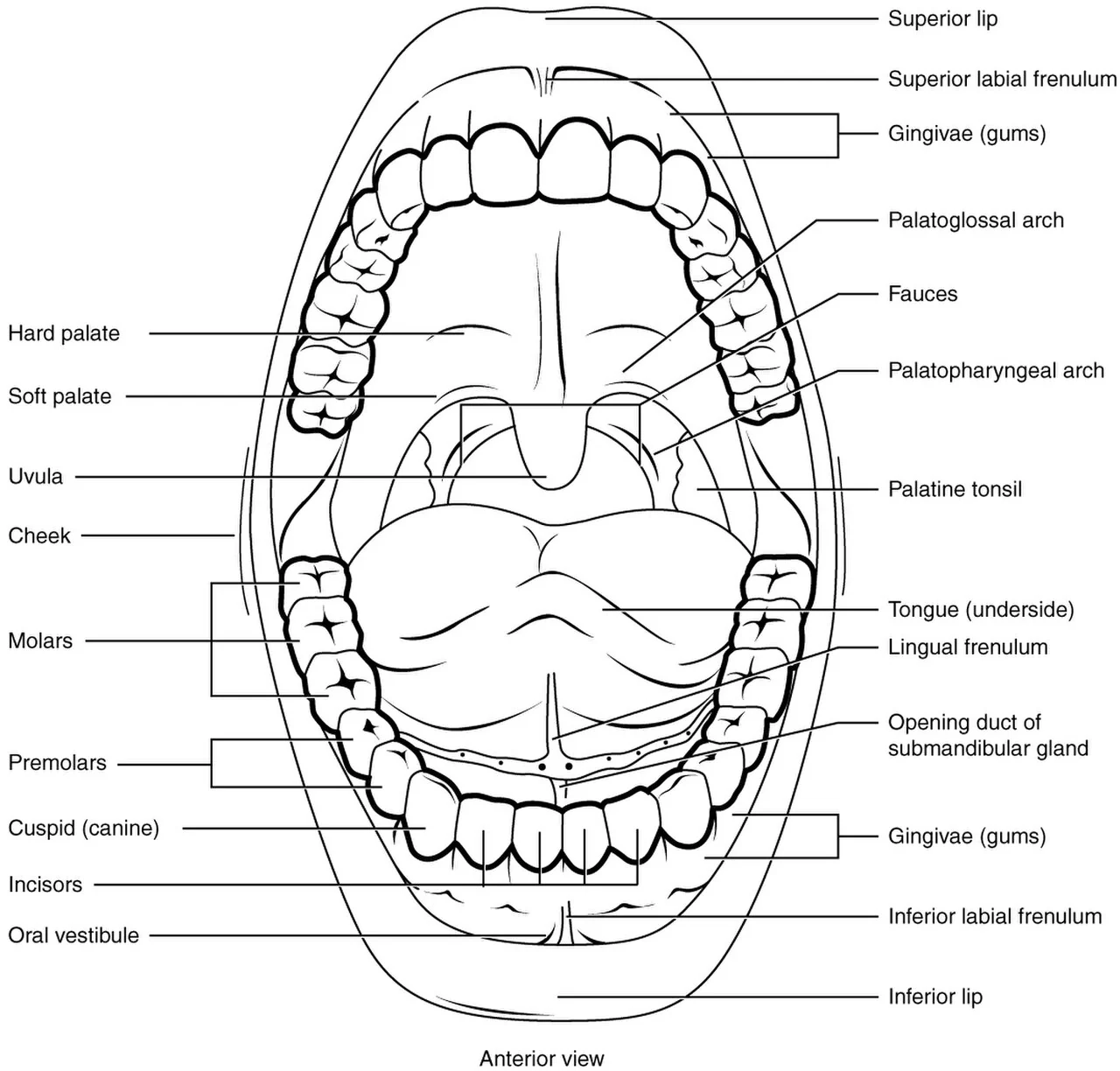
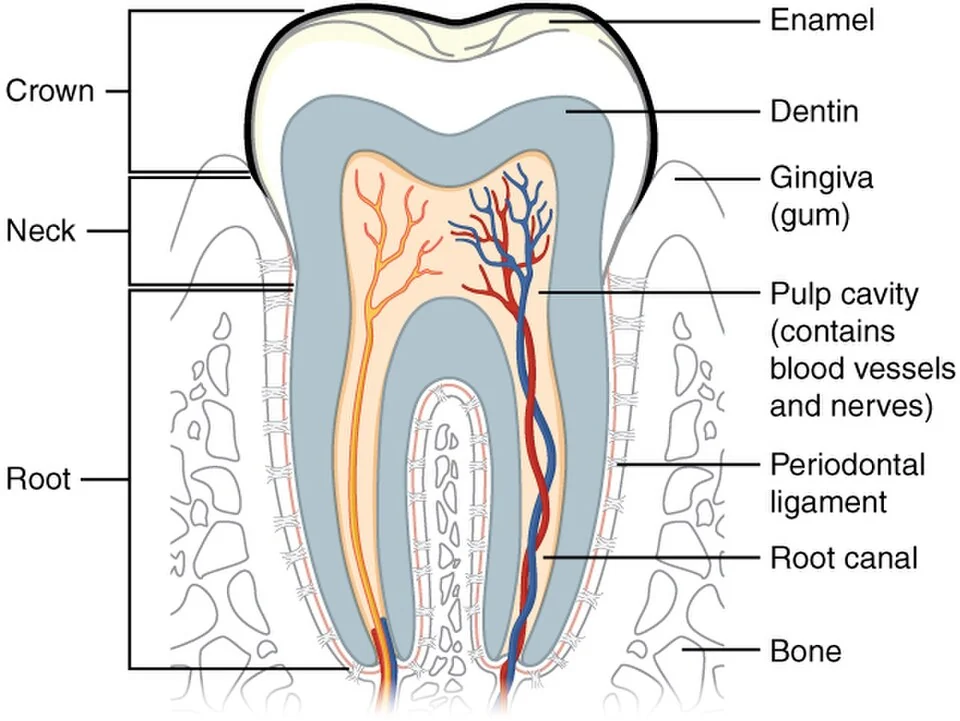
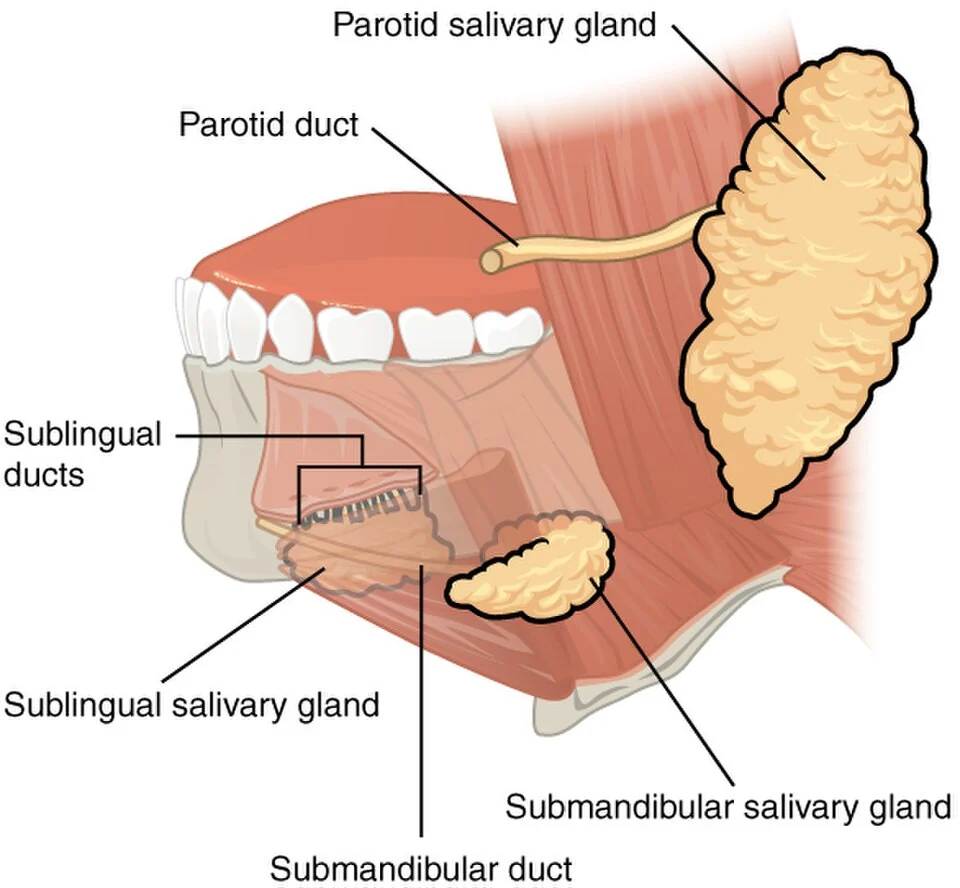
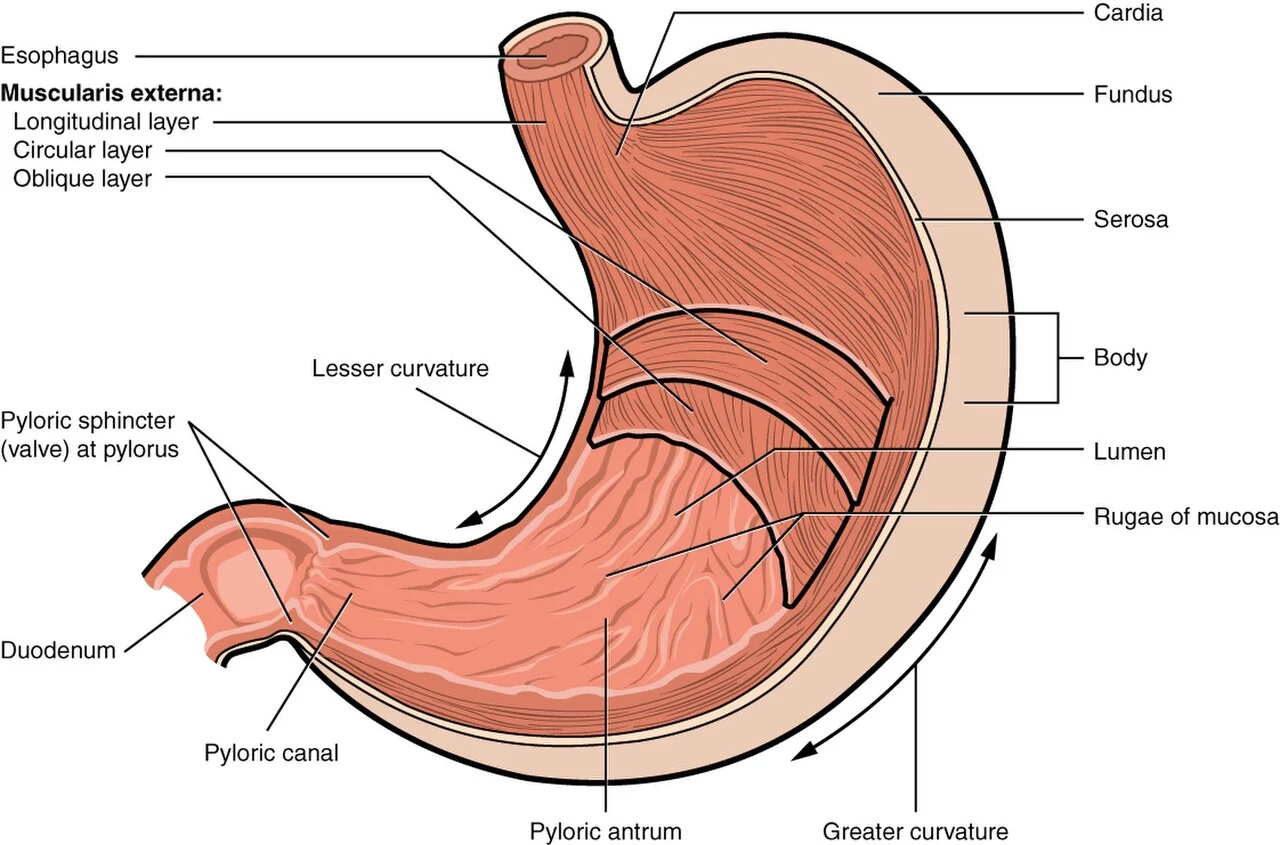
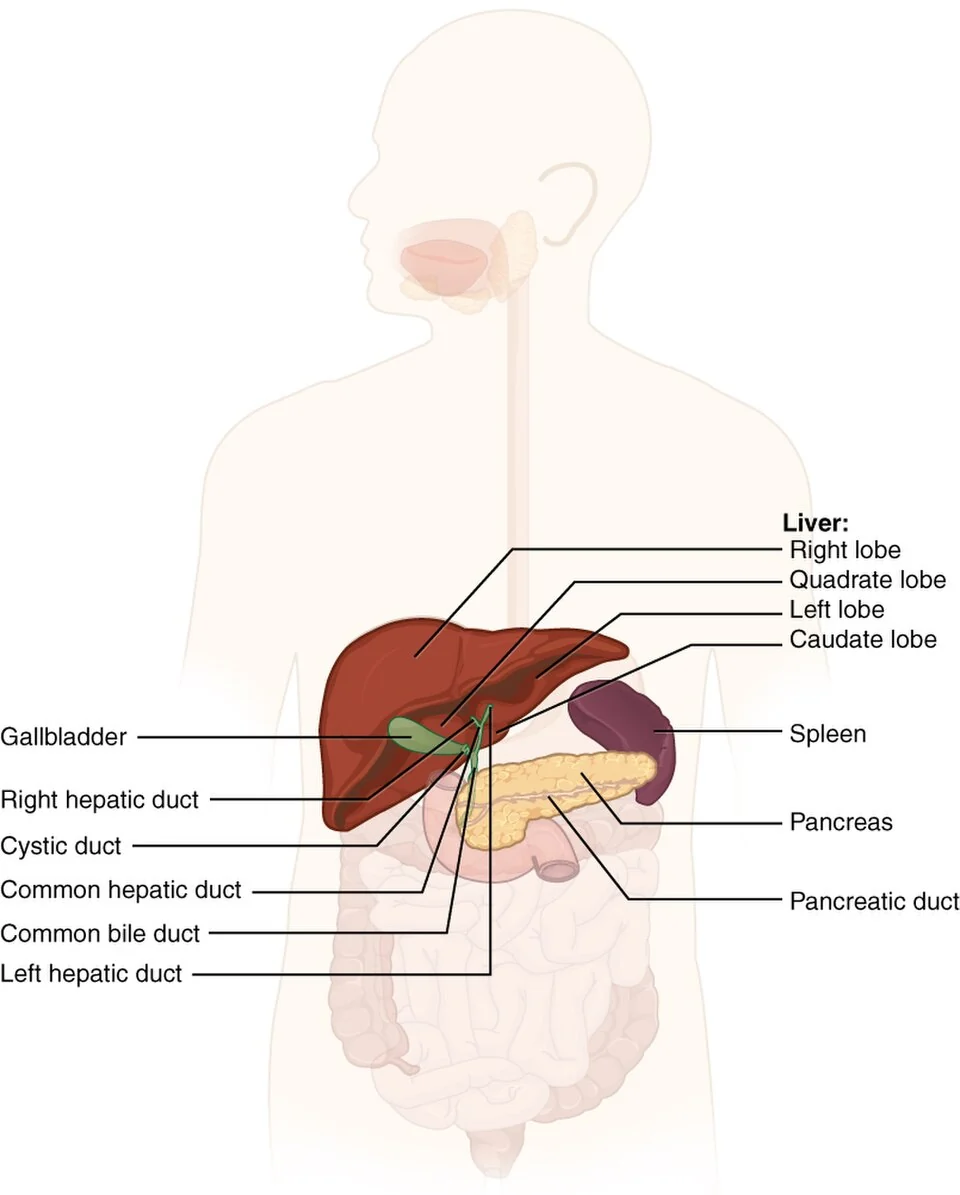
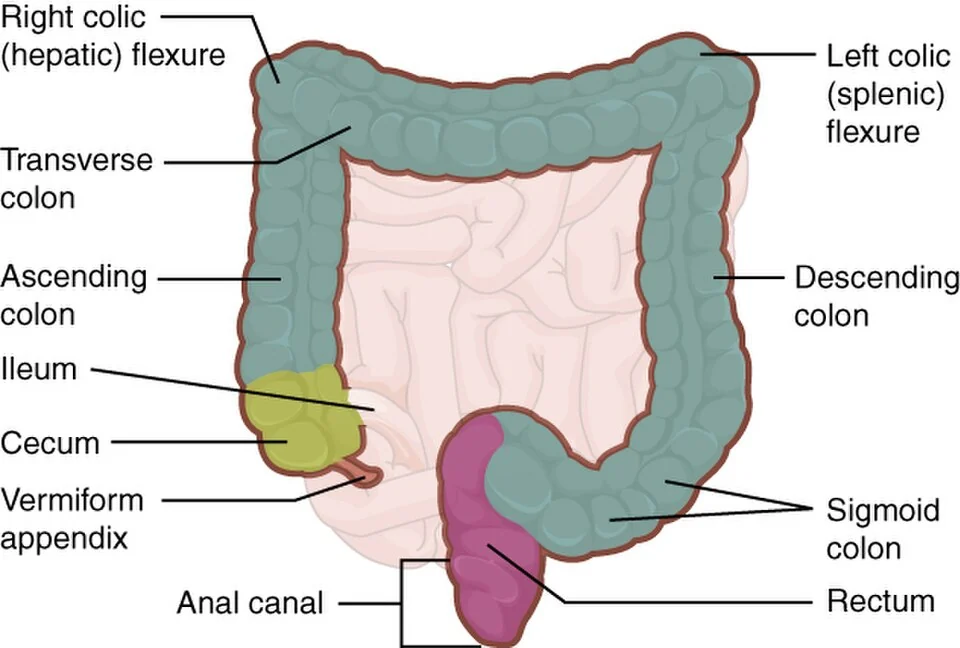
Mouth, teeth and salivary glands, the stomach, liver and pancreas, and the large intestine. 75 parts.
Kidney and urinary tract
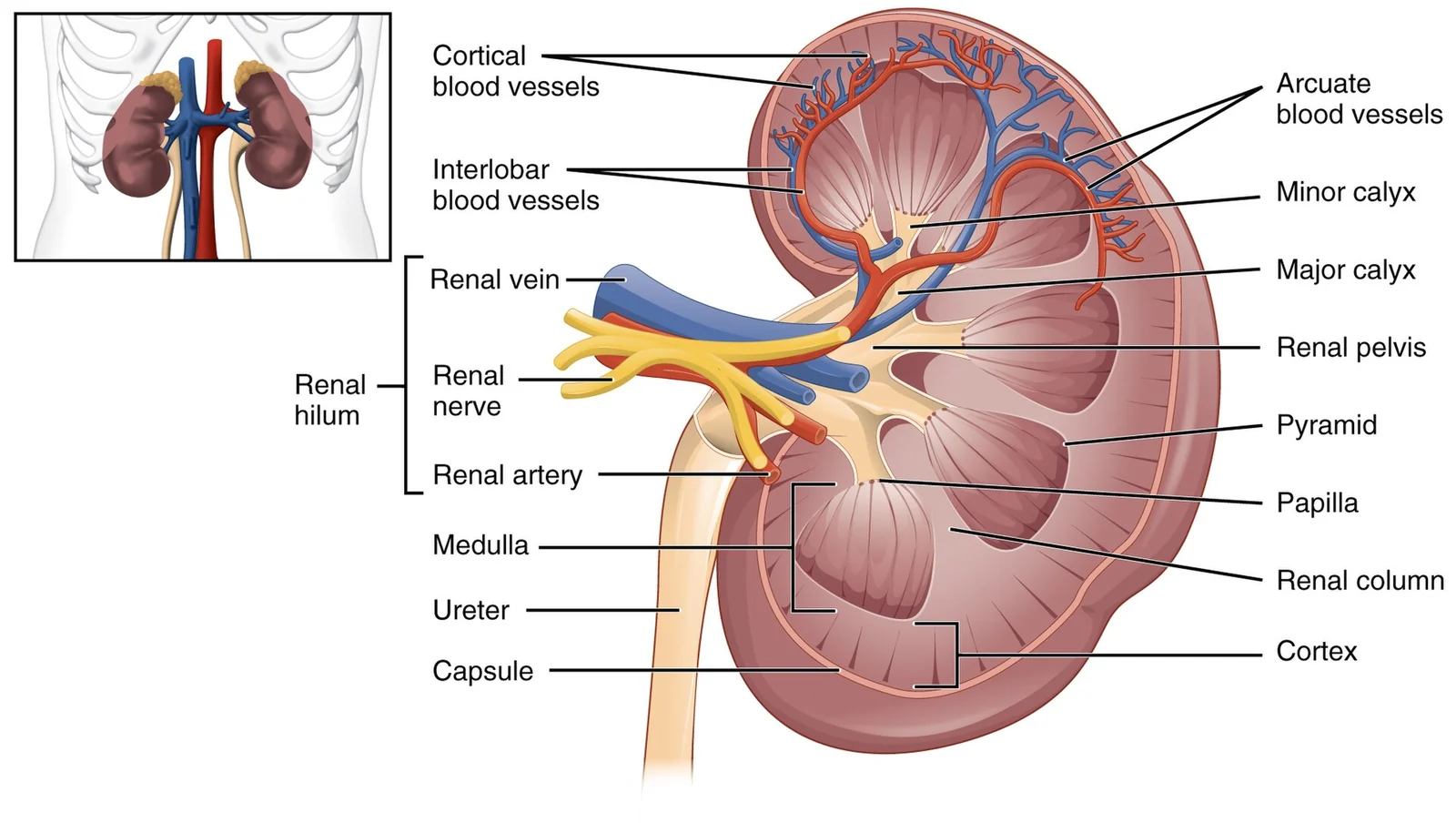
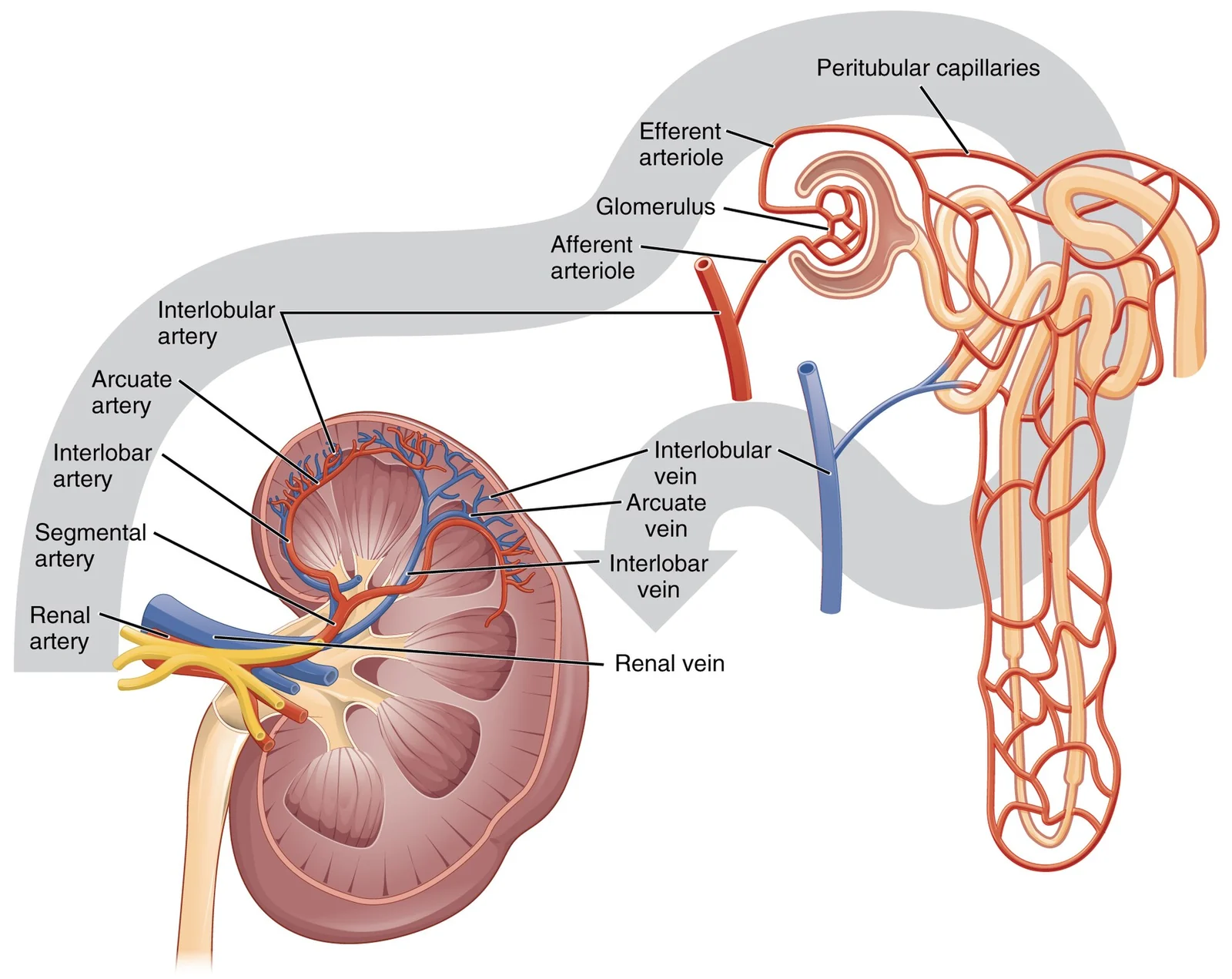
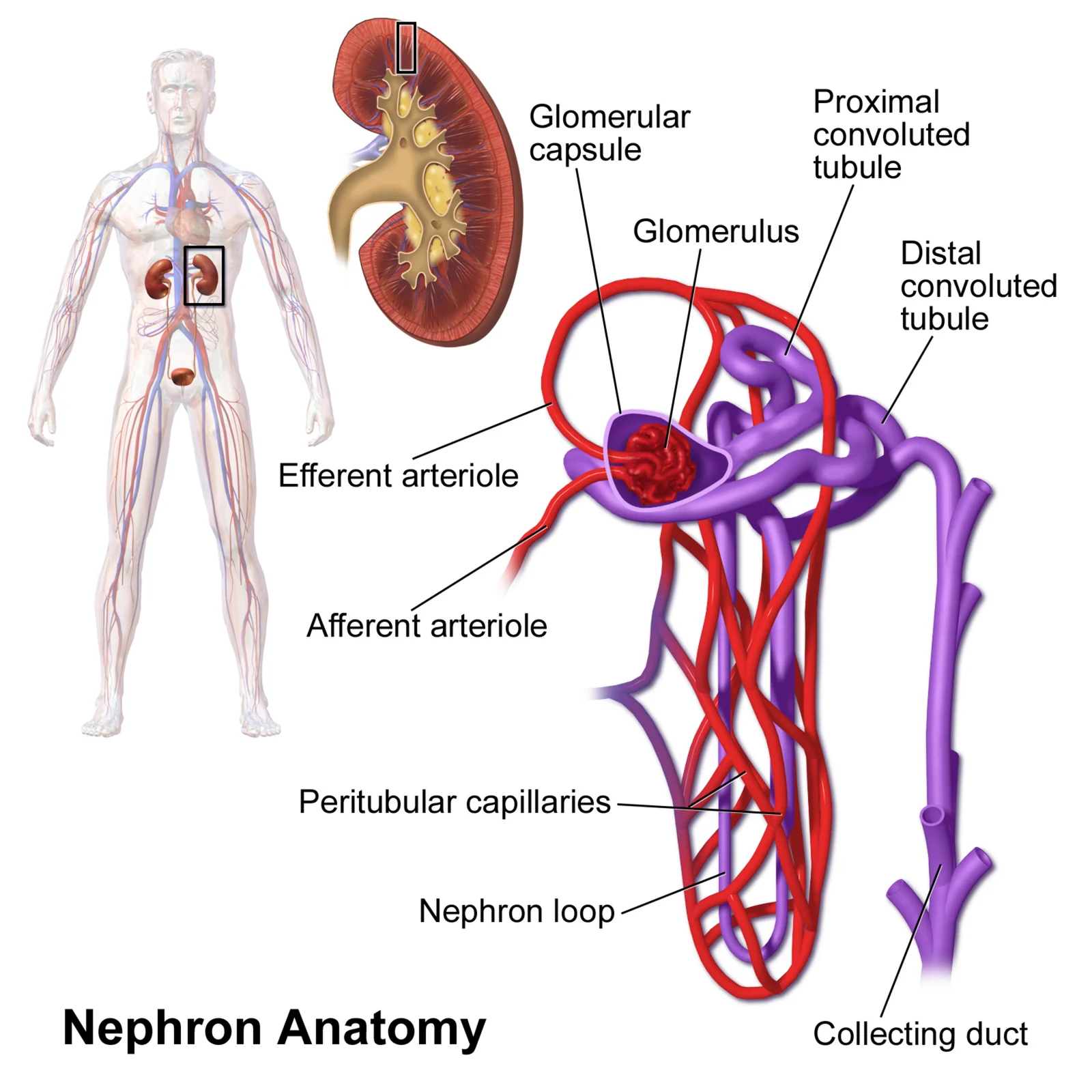
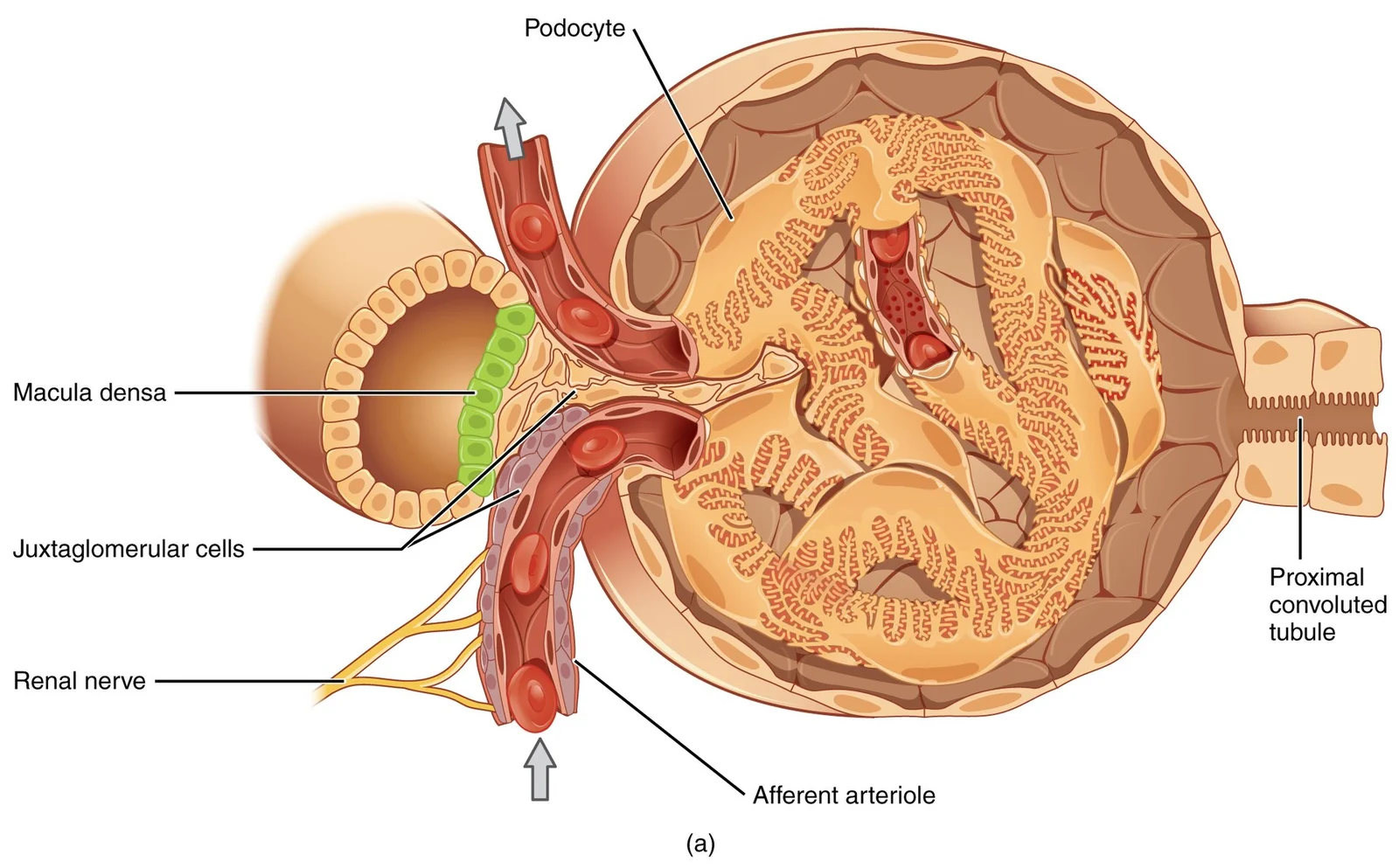
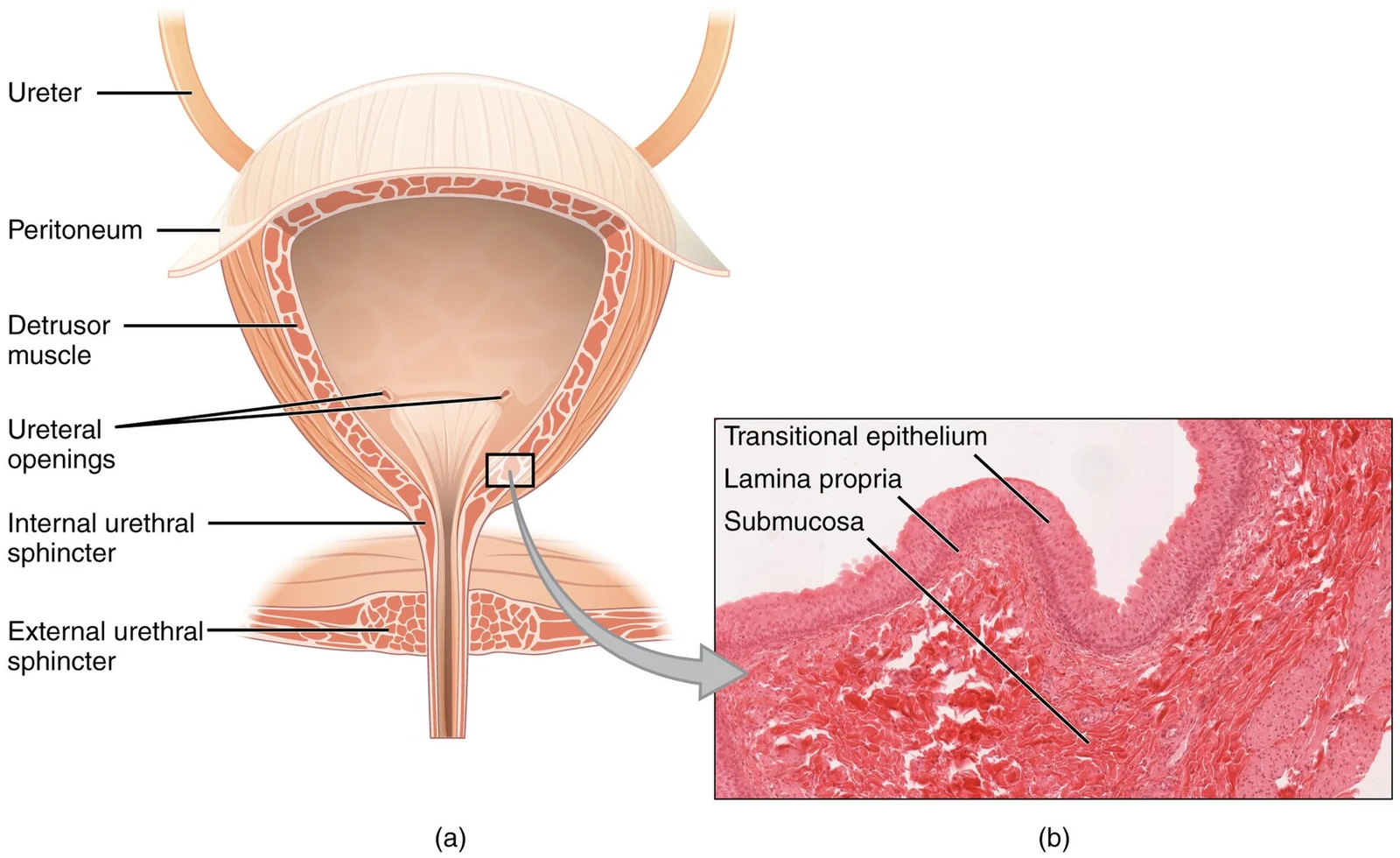
Inside the kidney, its blood supply, the nephron, and the bladder. 52 parts.
Body water
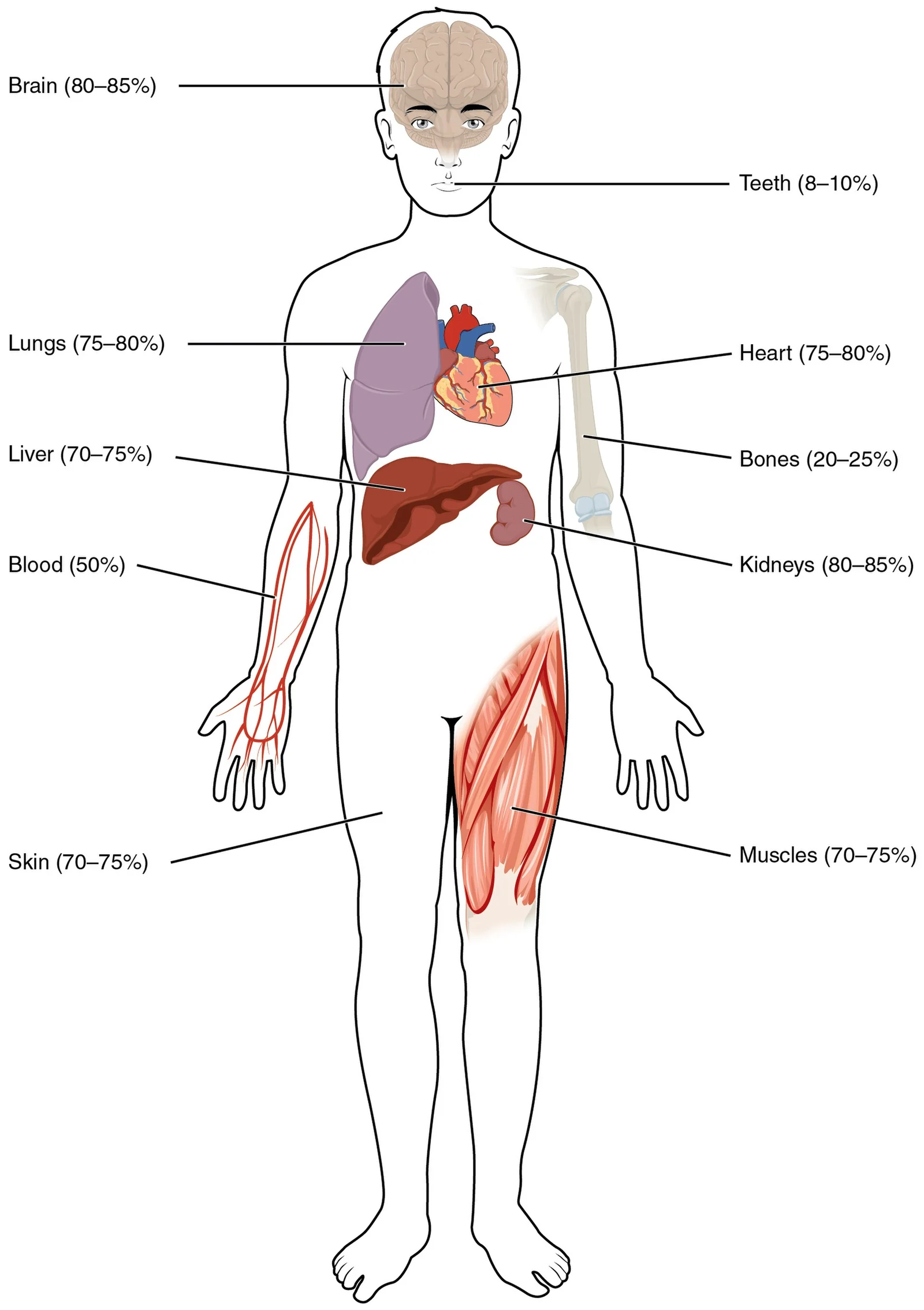
How much of each organ is water. 10 parts.
Reproductive system
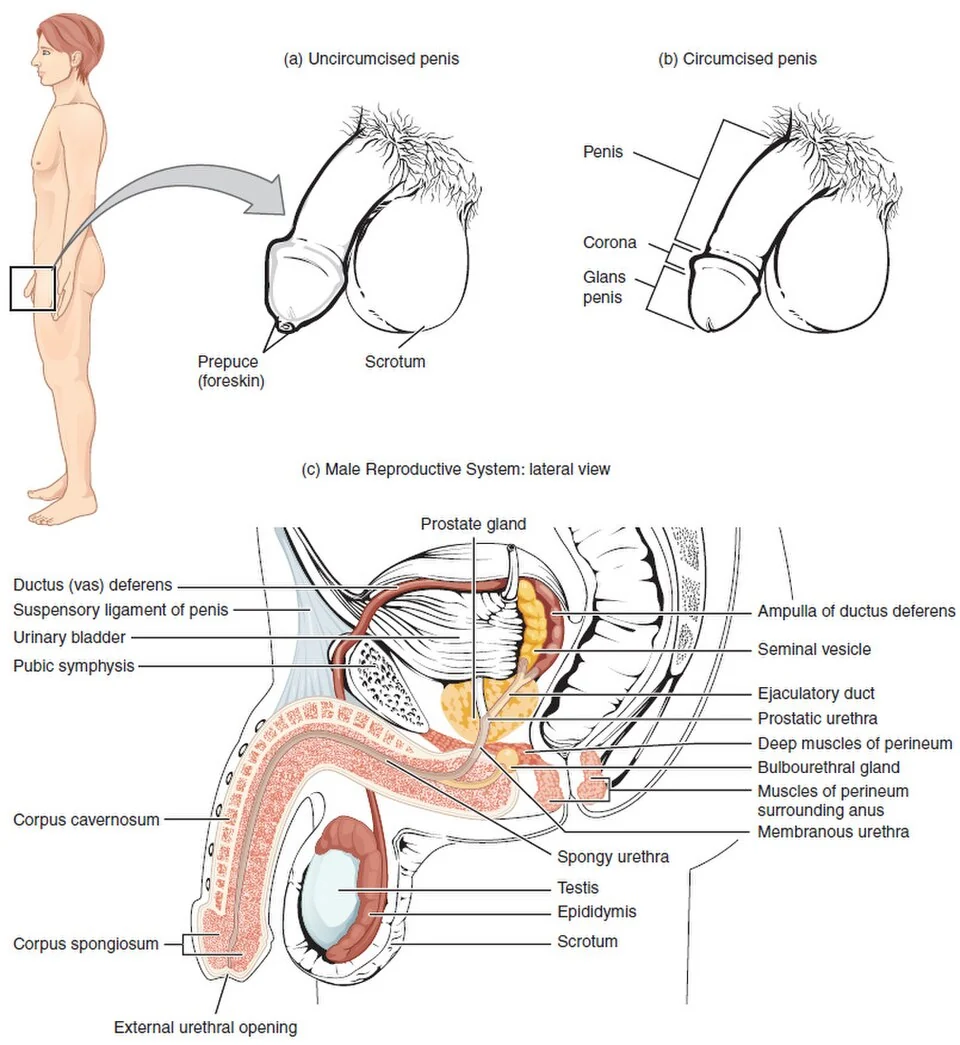
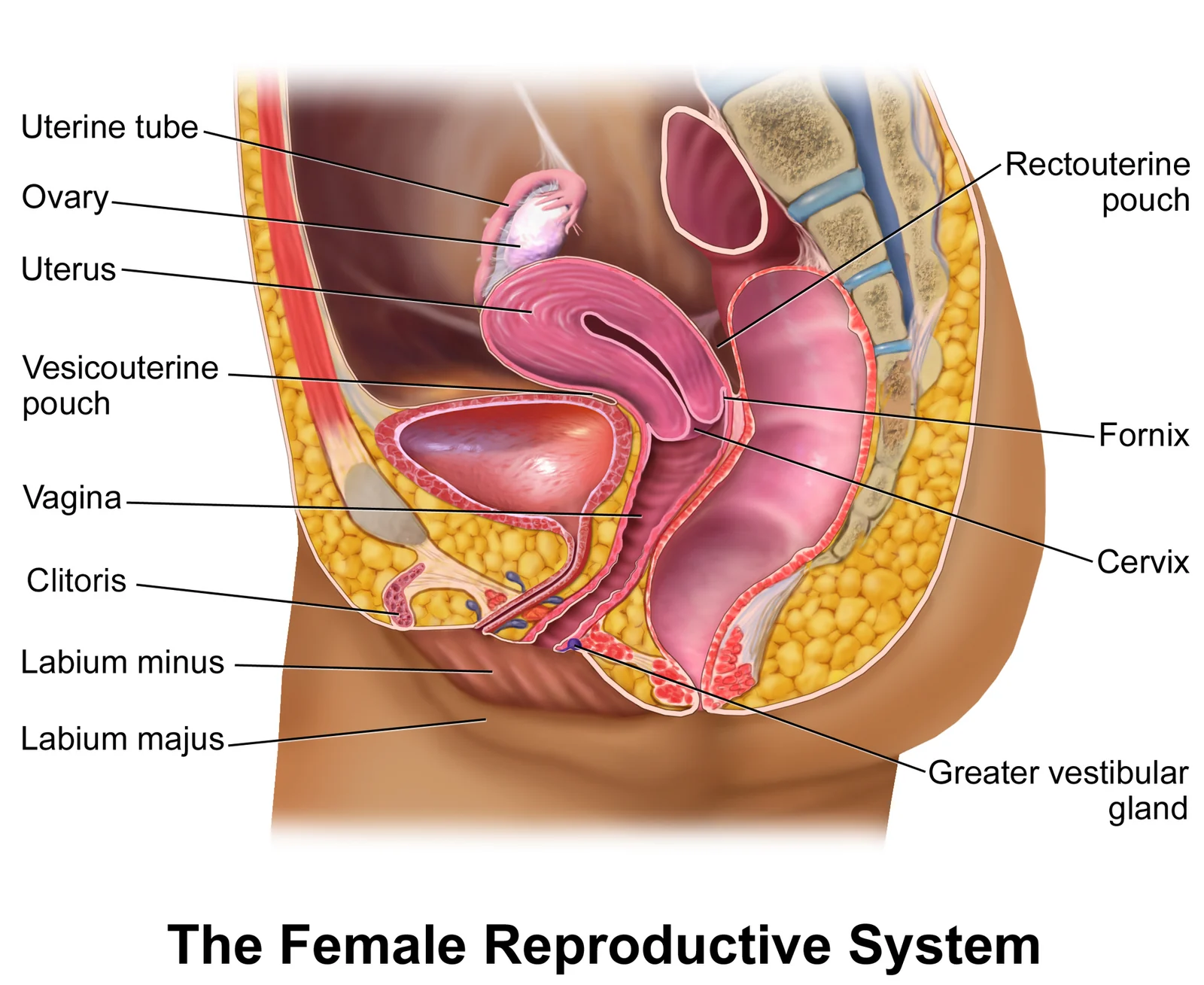
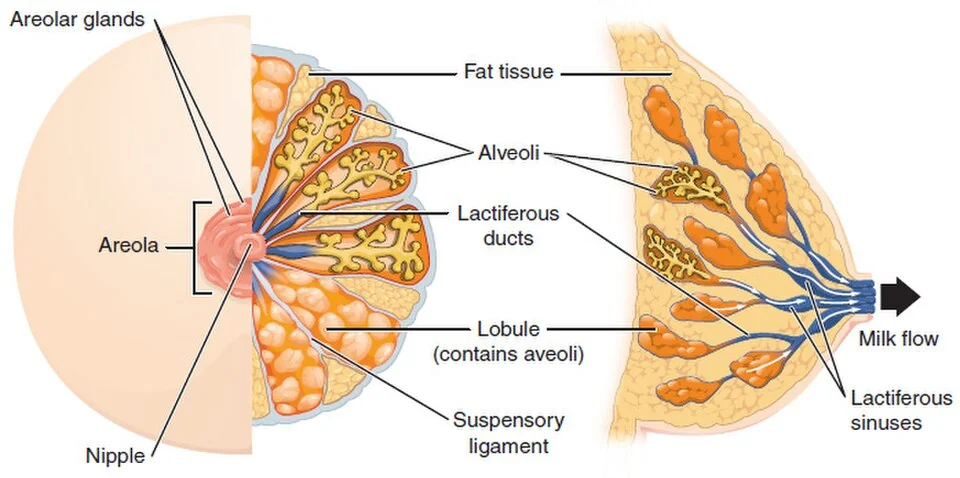
Male and female reproductive organs and the breast. 38 parts.
Pregnancy and development
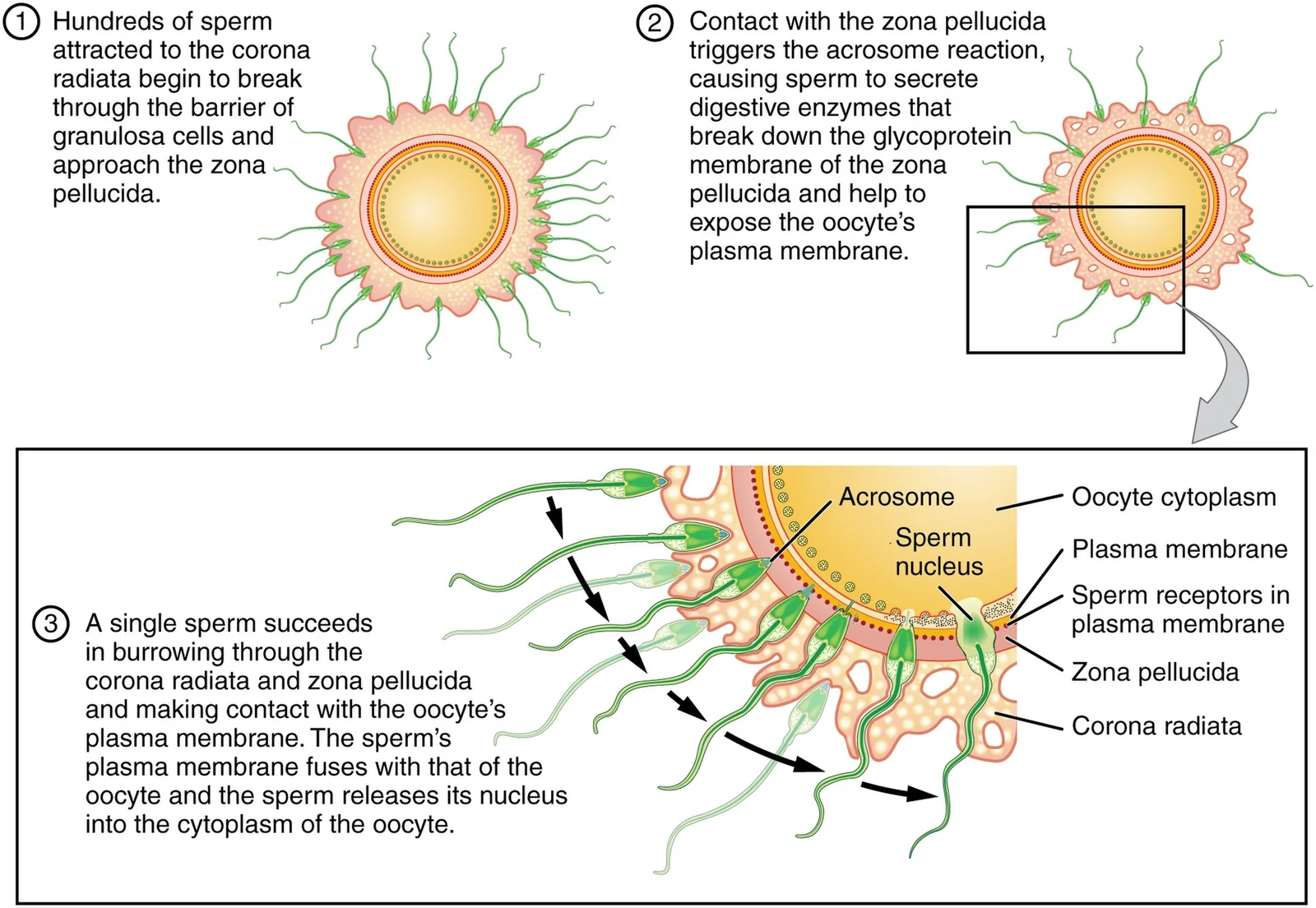
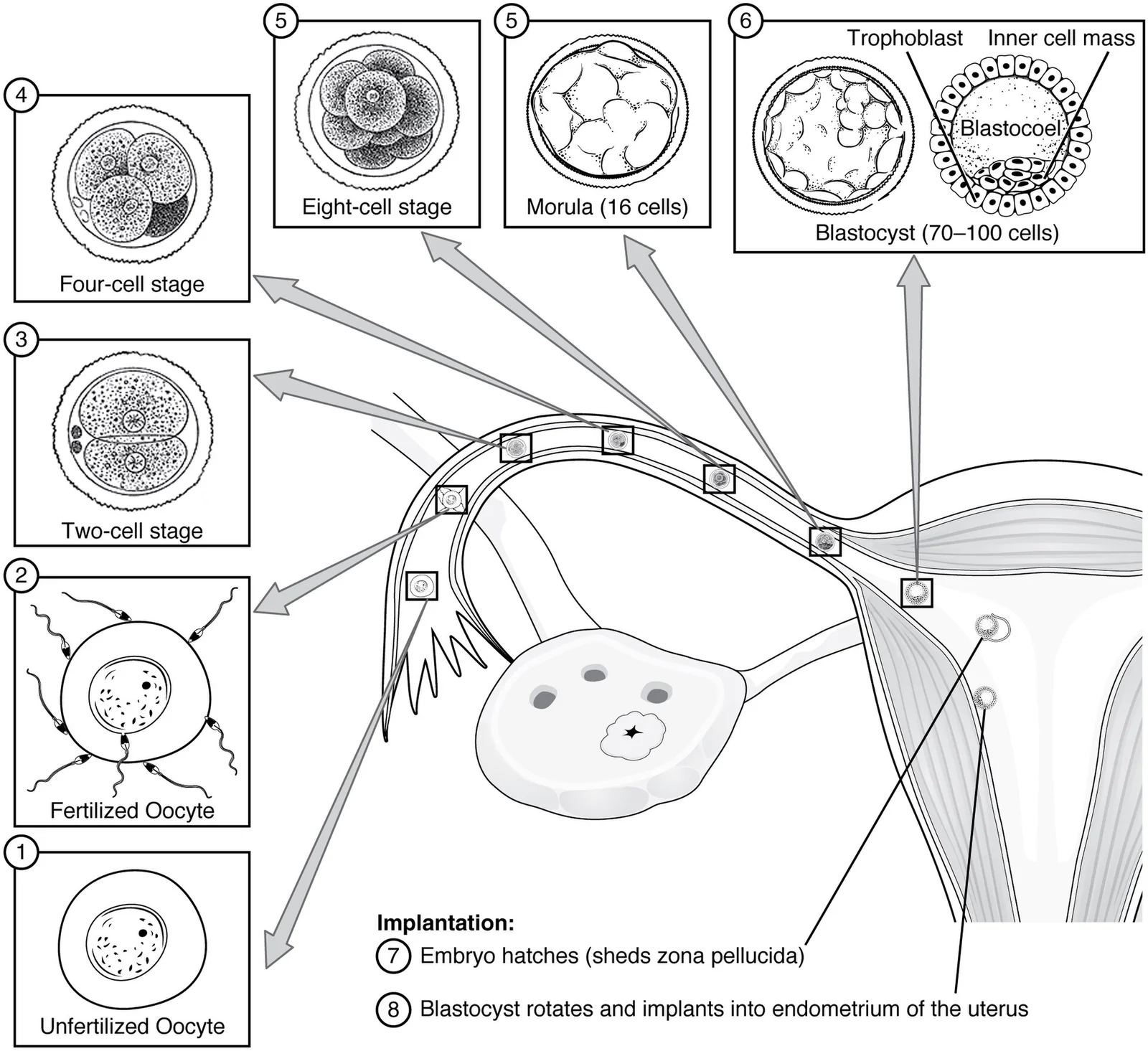
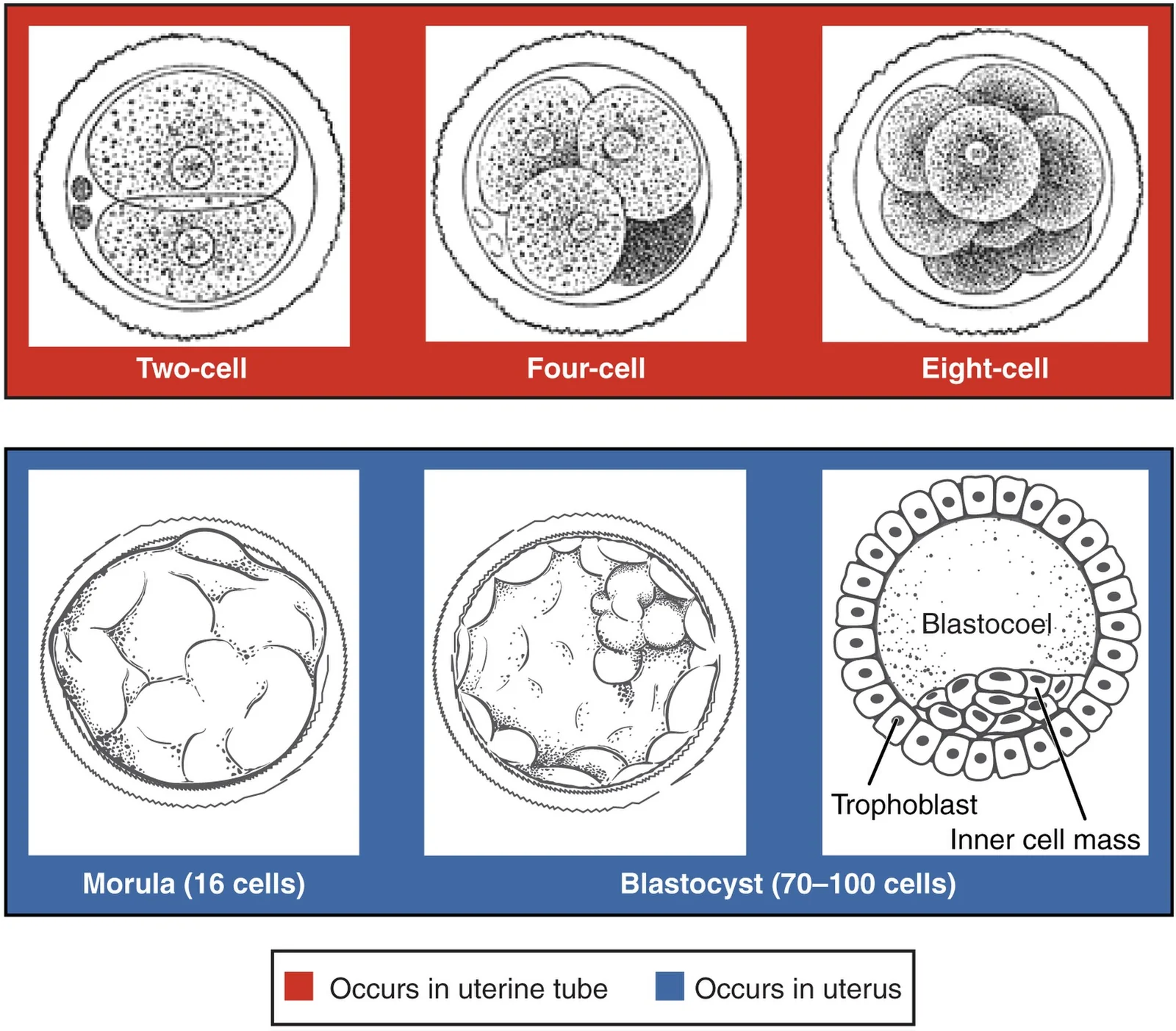
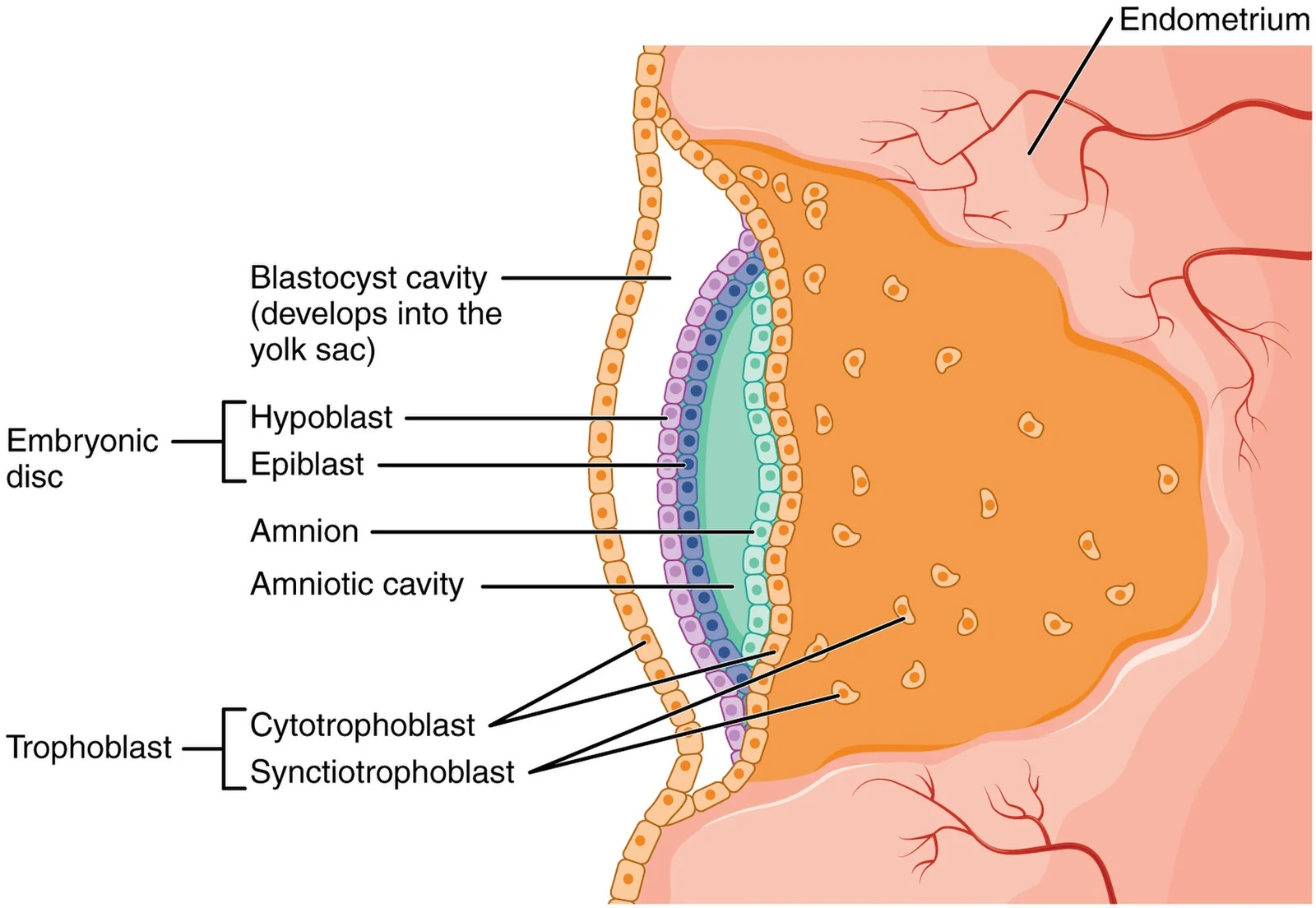
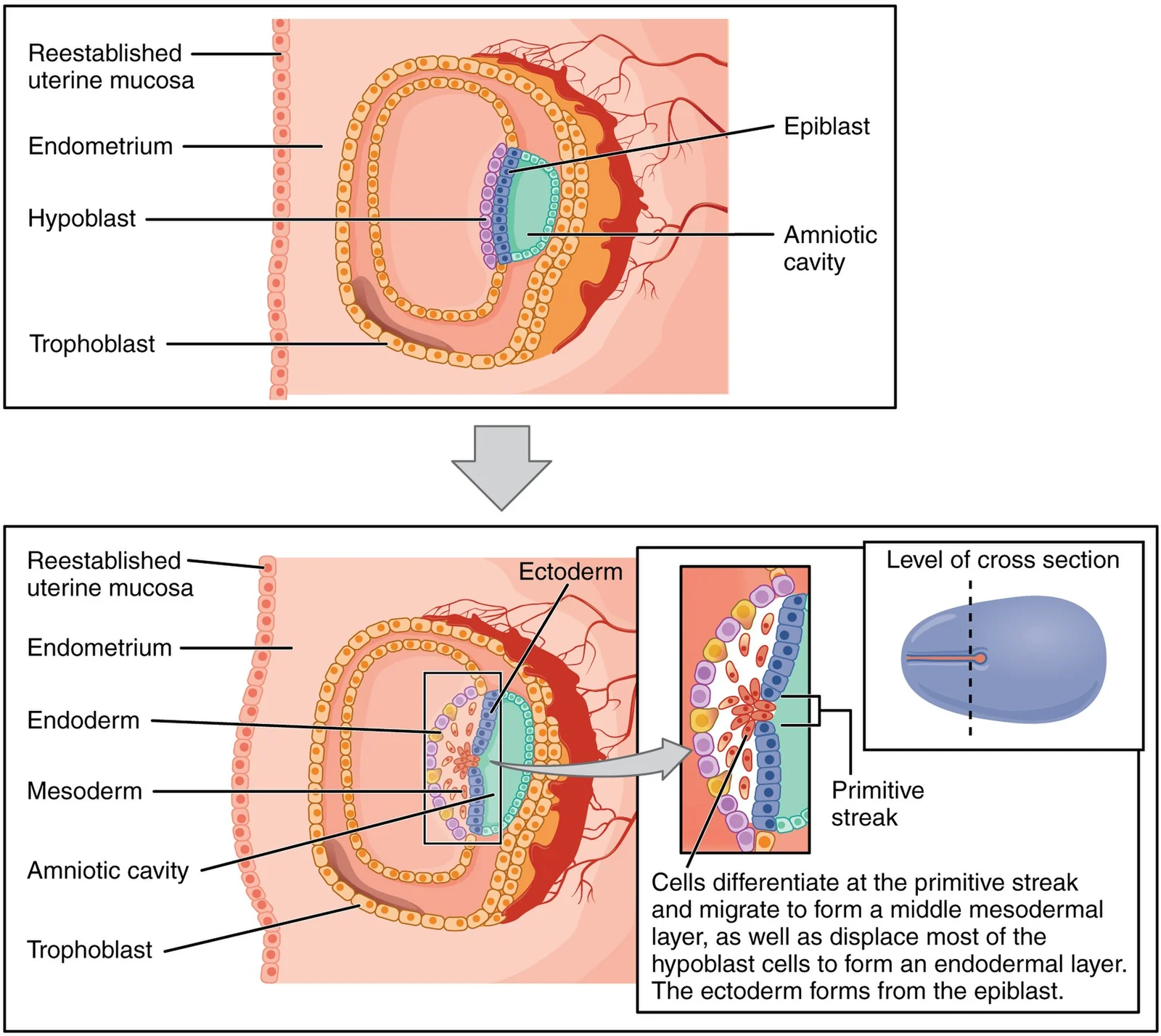
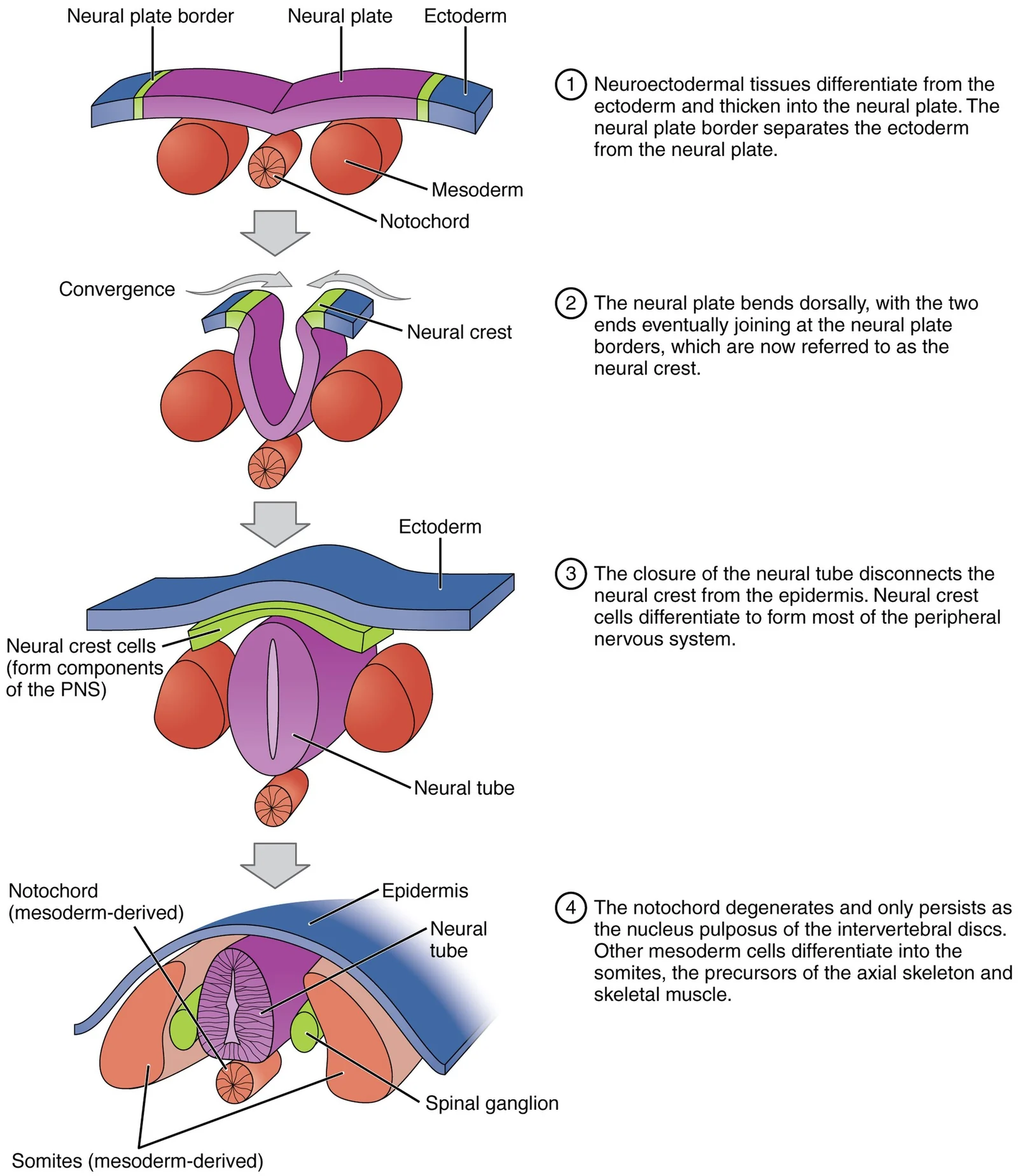
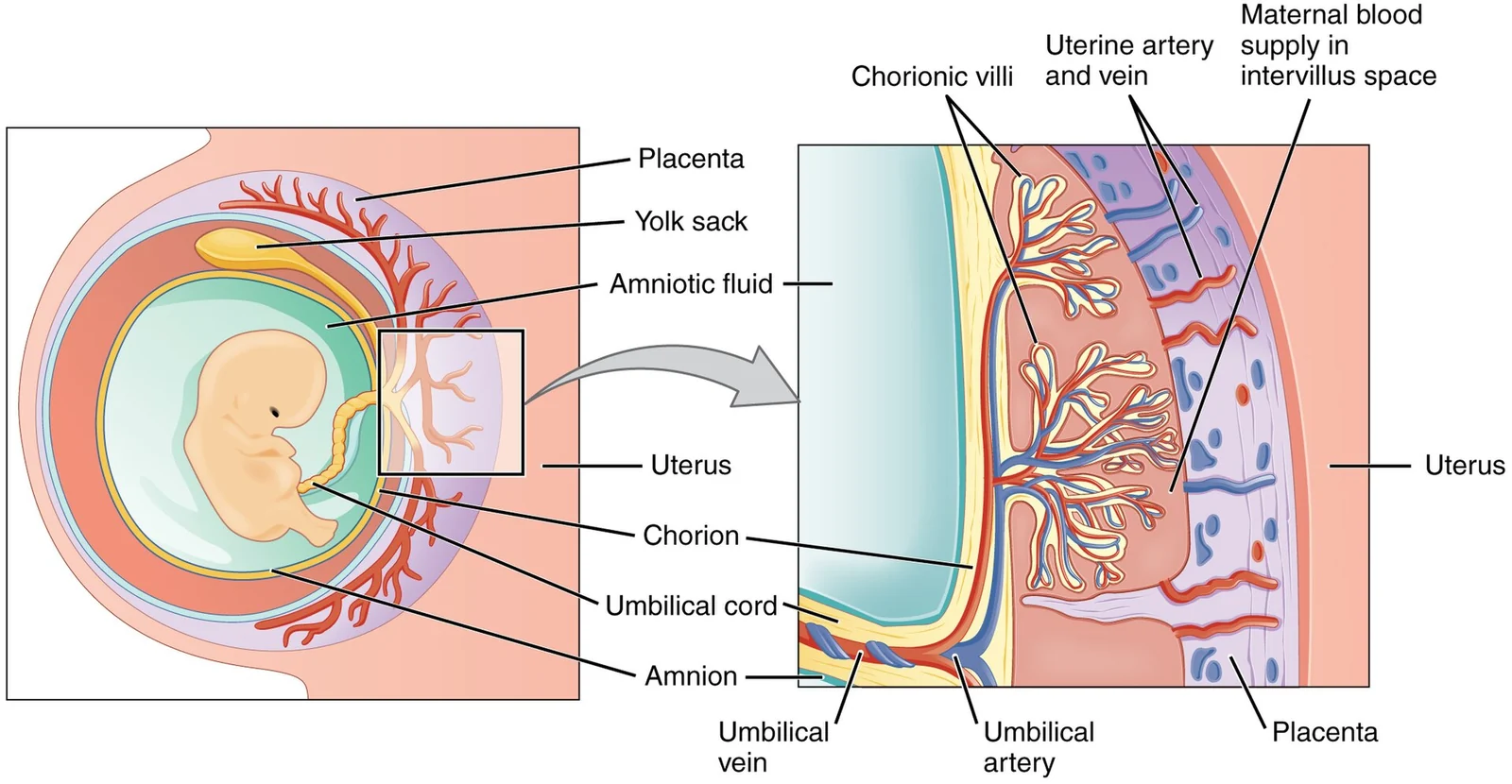
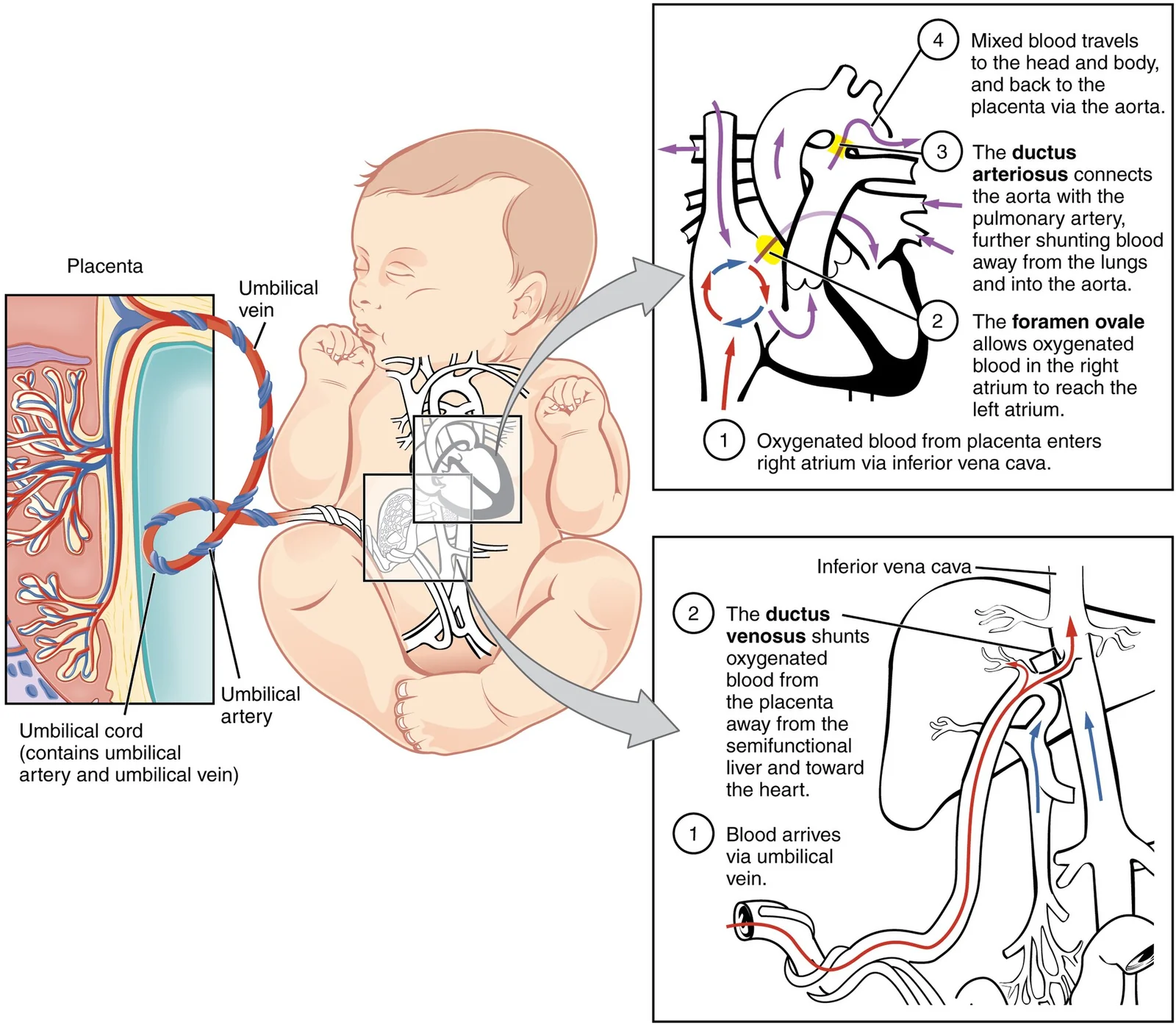
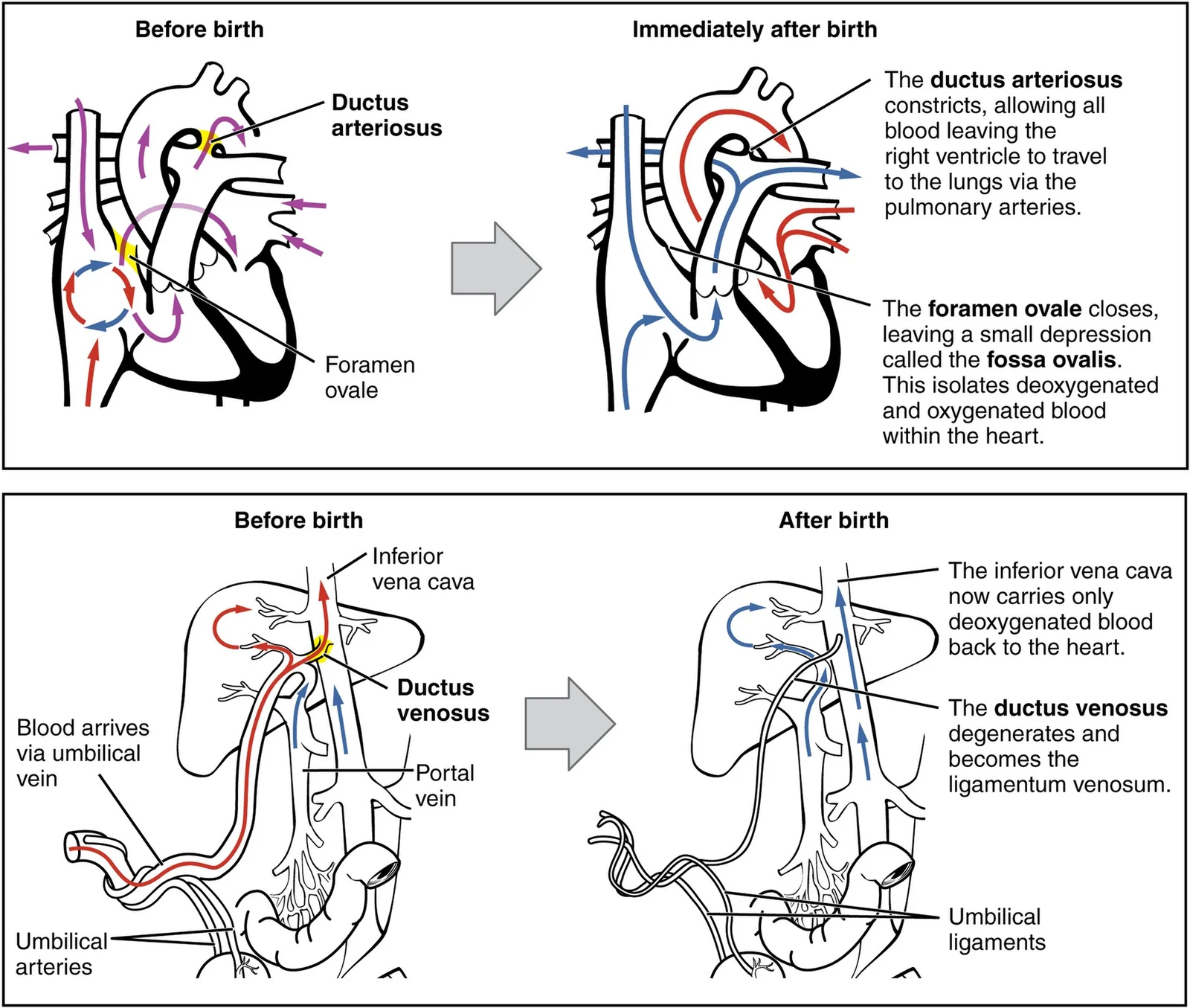
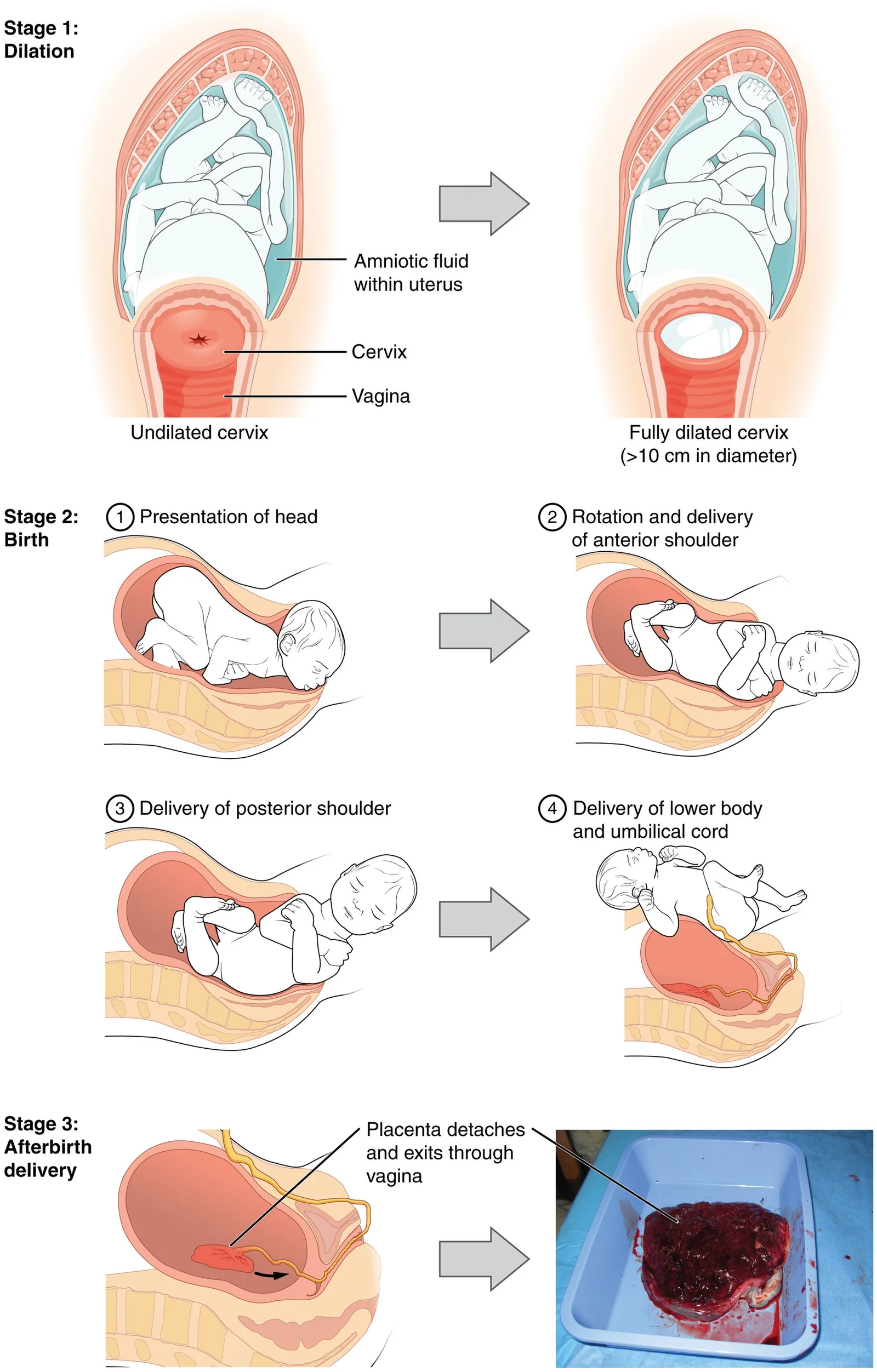
From fertilization and cleavage to the germ layers, neural tube, placenta, fetal circulation and birth. 95 parts.